Queer Spectrum Film Festival Brings Migrant and LGBTQIA+ Voices to the Irish Film Institute
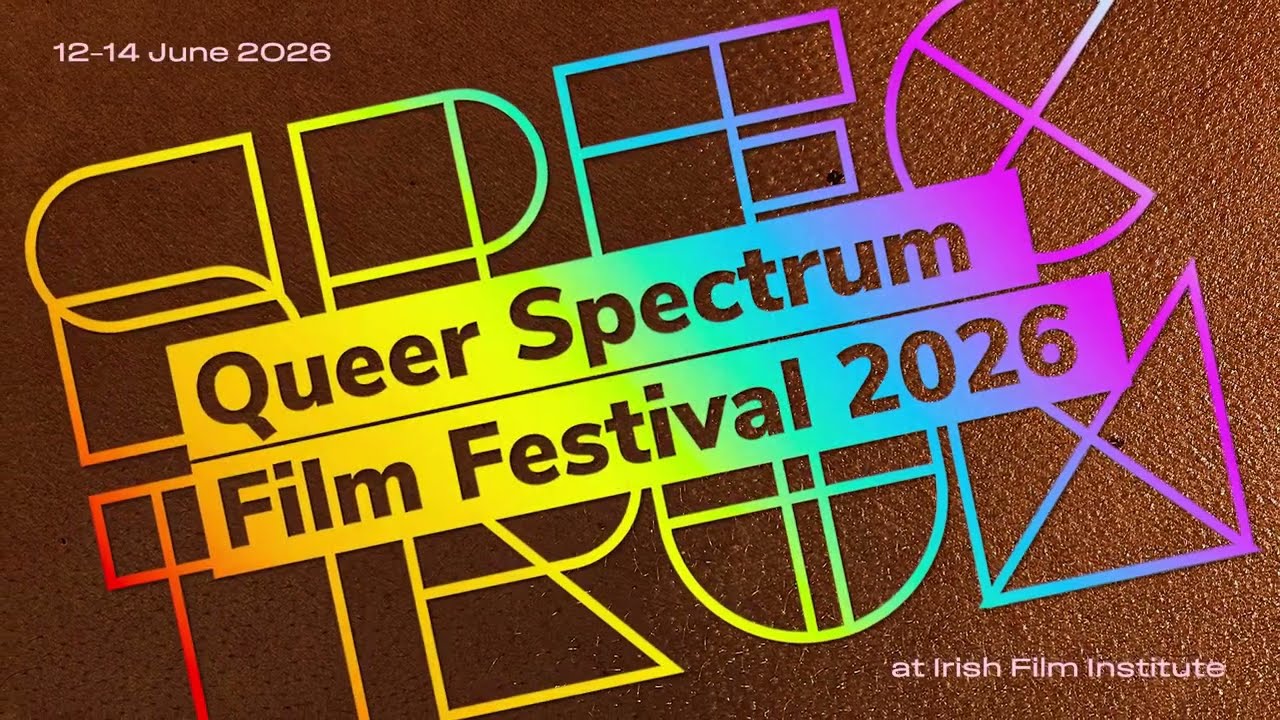
The Irish Film Institute in Dublin has hosted the third edition of the Queer Spectrum Film Festival, Ireland's first film festival dedicated to showcasing LGBTQIA+ stories with a specific focus on people of colour and migrant voices — an event that has established itself as one of the most important platforms for underrepresented filmmakers and stories in the Irish cultural calendar, and whose 2026 theme of "Tender Migrations: Queer Journeys Through Desire, Transition, and Healing" resonates with particular force in the current social and political climate.
Background
The Queer Spectrum Film Festival was founded in 2024 with a specific and distinctive mission: to create a space within Irish film culture for LGBTQIA+ stories that centre the experiences of people of colour and migrants — voices that have historically been marginalised not only within mainstream cinema but also within LGBTQIA+ film culture, which has tended to reflect the experiences of white, Western, and relatively privileged communities. The festival's founders identified a gap in the Irish cultural landscape and set out to fill it, creating an event that is both a celebration of diverse queer cinema and a political act of cultural inclusion.
The Irish Film Institute, which has been the festival's home since its inception, is one of the most important cultural institutions in Ireland — a cinema, archive, and cultural centre that has been at the heart of Irish film culture for decades. Its willingness to host the Queer Spectrum Film Festival reflects its commitment to programming that goes beyond the mainstream and that provides a platform for voices and perspectives that might not otherwise find an audience in Ireland.
The festival's growth from its first edition in 2024 to its third in 2026 has been remarkable. The programme has expanded, the audience has grown, and the festival has attracted increasing attention from filmmakers, critics, and cultural commentators both in Ireland and internationally. The 2026 theme — "Tender Migrations: Queer Journeys Through Desire, Transition, and Healing" — was chosen to reflect the intersection of queerness and migration that is central to the experiences of many of the communities the festival seeks to represent.
Key Developments
The 2026 festival, which ran from 12 to 14 June at the IFI, featured a programme of films from across the world — from Latin America, Africa, Asia, and Europe — that explore the experience of being queer and a migrant, or queer and a person of colour, in a range of different cultural and political contexts. The programme included feature films, short films, and documentaries, with a particular emphasis on work by first-time and emerging filmmakers who might not have access to the distribution networks that bring more established films to Irish audiences.
The festival also featured a programme of talks, workshops, and panel discussions that provided context for the films and created space for conversation about the issues they raise. These events drew participants from the Irish LGBTQIA+ community, from migrant and diaspora communities, and from the broader cultural sector, creating a dialogue that extended beyond the films themselves. The festival's organisers have been explicit about their ambition to create not just a film event but a community gathering — a space where people who share the experiences depicted on screen can come together and feel seen.
The timing of the festival — in the immediate aftermath of the Belfast disorder and in the context of a broader national conversation about immigration and belonging — gave the 2026 edition a particular resonance. The films and discussions provided a counterpoint to the narratives of fear and hostility that have dominated some of the coverage of immigration in Ireland and Northern Ireland, offering instead stories of resilience, creativity, and the complex beauty of lives lived at the intersection of multiple identities.
Why It Matters
The Queer Spectrum Film Festival matters because representation in culture is not a luxury — it is a necessity. When people see their experiences reflected on screen, it validates those experiences and creates a sense of belonging that has real consequences for mental health and wellbeing. For LGBTQIA+ people of colour and migrants in Ireland, who face the compounded challenges of racism, homophobia, and the difficulties of navigating a new country and culture, the festival provides a rare opportunity to see their lives depicted with complexity and humanity. It also matters because it challenges the Irish cultural sector to be more inclusive — to recognise that the stories worth telling are not only those of the majority, and that the richness of Irish cultural life depends on the diversity of the voices that contribute to it.
Local Impact
The festival's impact is felt most directly in the communities it serves — the LGBTQIA+ people of colour and migrants who live in Dublin and across Ireland, and who have found in the Queer Spectrum Film Festival a cultural home that reflects their experiences. For the IFI, the festival has brought new audiences to the cinema and has reinforced its reputation as a venue that takes its cultural responsibilities seriously. For the broader Dublin cultural scene, the festival contributes to the diversity and vitality of the city's arts offering, providing an event that is genuinely distinctive and that attracts visitors and participants who might not otherwise engage with the IFI's programme.
What's Next
The Queer Spectrum Film Festival's organisers have confirmed that the fourth edition will take place in June 2027, and they are already in discussions with filmmakers and cultural organisations about the programme. The festival's growth over its first three years suggests that there is a significant and growing audience for the kind of cinema it showcases, and the organisers are exploring opportunities to expand the programme and to reach audiences beyond Dublin. The IFI has expressed its commitment to continuing to host the festival, and there is interest from other cultural institutions in Ireland in partnering with the event to extend its reach.