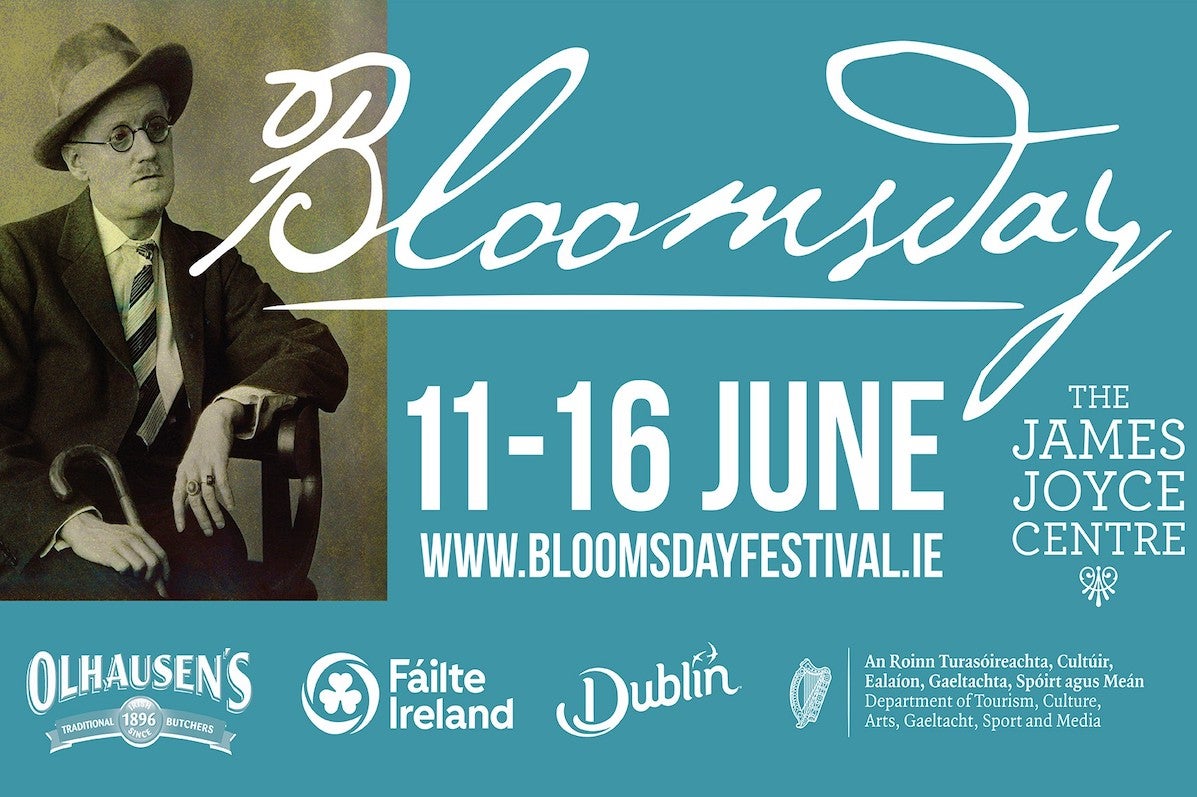
Bloomsday 2026: Dublin Prepares for Annual Joyce Celebration with New Theatrical Premiere and Family Events
Dublin is preparing for Bloomsday on Monday, 16 June, with a rich and varied programme of events celebrating James Joyce and his masterwork Ulysses — including a family morning at the James Joyce Centre led by children's author Úna Woods, the Bloomsday Film Festival at the Irish Film Institute, and the traditional readings, walking tours, and costumed gatherings that have made the annual celebration one of the most distinctive literary festivals in the world.
Background
Bloomsday — named for Leopold Bloom, the protagonist of Ulysses, and celebrated on 16 June, the date on which the novel is set — has been observed in Dublin since the 1950s, when a small group of Joyce enthusiasts gathered to retrace the steps of the novel's characters through the city's streets. Over the decades, the celebration has grown into a major cultural event that attracts visitors from across the world and that has become one of the most recognisable expressions of Dublin's literary identity.
The choice of 16 June as the date for Ulysses is not arbitrary — it was the date of Joyce's first outing with Nora Barnacle, the woman who would become his lifelong partner and wife, in 1904. The novel's setting on a single day in Dublin — following Bloom, his wife Molly, and the young Stephen Dedalus through the city's streets, pubs, and institutions — has made it one of the most geographically specific works in the literary canon, and the Bloomsday celebration is in part an act of literary tourism, a retracing of the novel's geography through a city that has changed enormously since 1904 but that still contains many of the landmarks that Joyce described.
The James Joyce Centre on North Great George's Street, which is the primary institutional home of Bloomsday in Dublin, has been organising events around the celebration for decades. The centre's programme for 2026 reflects the breadth of the Bloomsday tradition — from scholarly events aimed at Joyce specialists to family-friendly activities designed to introduce younger audiences to the novel and its world.
Key Developments
The family morning at the James Joyce Centre on Sunday, 14 June, led by children's author Úna Woods, was one of the highlights of the pre-Bloomsday programme. Woods, whose book A Blooming Great Day provides an accessible introduction to Joyce's world for younger readers, led a workshop that combined storytelling, illustration, and interactive activities to bring the characters and settings of Ulysses to life for children and their parents. The event was fully booked, reflecting the growing interest in making the Bloomsday celebration accessible to families and younger audiences.
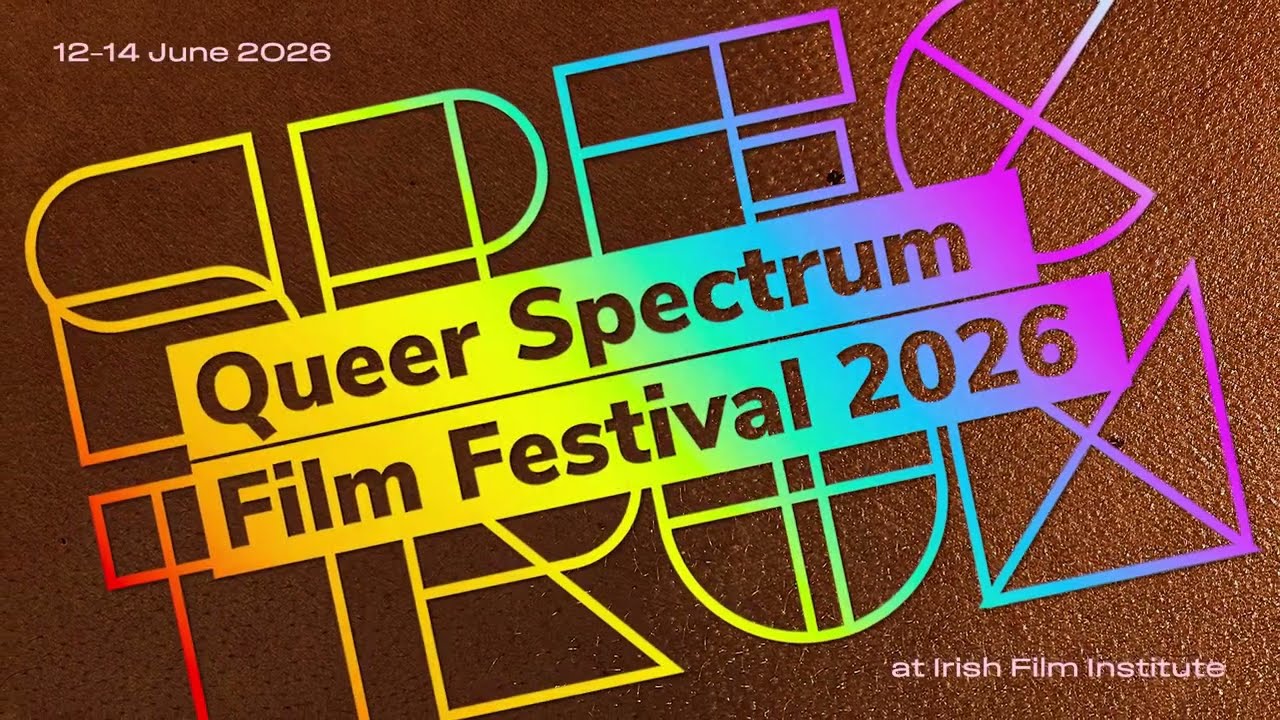
The Bloomsday Film Festival at the Irish Film Institute, which runs alongside the main Bloomsday programme, showcases films with connections to Joyce's work — adaptations of his novels and stories, documentaries about his life and legacy, and films that explore the themes and settings of his writing. The IFI's programme for 2026 includes several rarely screened films alongside more familiar titles, providing an opportunity for Joyce enthusiasts to engage with his work through a different medium.
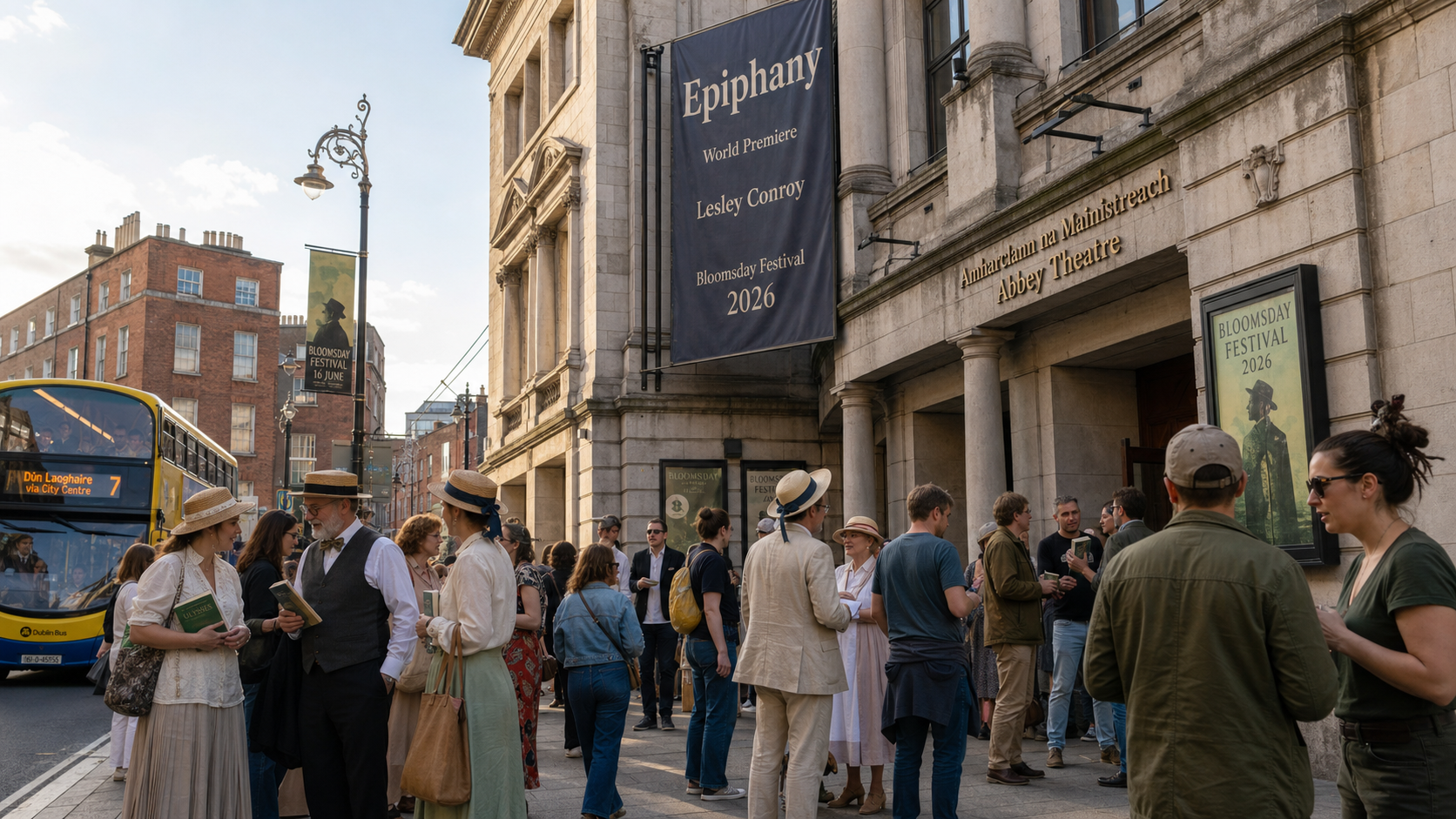
The traditional elements of Bloomsday — the readings at Sandycove's Martello Tower, the costumed gatherings at Davy Byrne's pub on Duke Street, the walking tours through the streets of the novel — will take place on 16 June itself, drawing participants from across Dublin and from the many visitors who travel to the city specifically for the occasion. The Bloomsday celebration has become a significant driver of cultural tourism, with hotels and restaurants in the city centre reporting strong bookings for the weekend around 16 June.
Why It Matters
Bloomsday matters because it is one of the most authentic expressions of Dublin's literary identity — a celebration that is rooted in the city's specific geography and history rather than in a generic notion of "culture." Joyce's relationship with Dublin was complex and ambivalent — he left the city as a young man and spent most of his adult life in exile, yet Dublin remained the obsessive subject of his greatest work — and the Bloomsday celebration captures something of that complexity. It is a celebration of a writer who was not always celebrated in his own time and in his own city, and who is now recognised as one of the greatest novelists in the English language. The annual gathering of Joyce enthusiasts, scholars, and curious visitors in the streets of Dublin is a reminder that literature can be a living, communal experience rather than a solitary and private one.
Local Impact
The economic impact of Bloomsday on Dublin is significant, with the celebration generating substantial revenue for hotels, restaurants, pubs, and cultural institutions in the city centre. The Davy Byrne's pub on Duke Street, which features prominently in Ulysses and which has become one of the most visited Bloomsday locations, reports some of its busiest trading of the year on 16 June. The James Joyce Centre, the Irish Film Institute, and other cultural institutions that participate in the Bloomsday programme benefit from increased visitor numbers and profile. For the broader Dublin tourism industry, Bloomsday is a valuable asset — a distinctive and internationally recognised event that draws visitors who might not otherwise come to the city in June, and that reinforces Dublin's reputation as a city of culture and literary heritage.
What's Next
The main Bloomsday celebrations take place on Monday, 16 June, with events running throughout the day across multiple locations in Dublin. The James Joyce Centre will host readings and talks, the Martello Tower at Sandycove will be the site of the traditional morning gathering, and Davy Byrne's pub will be packed with costumed celebrants. The Bloomsday Film Festival at the IFI continues through the week, and walking tours of the novel's locations are available throughout the Bloomsday period. For those who cannot attend in person, RTÉ and other broadcasters typically provide coverage of the main events, and the James Joyce Centre's website provides resources for those who want to engage with the celebration from a distance.