PSNI Chief Warns of Growing Reliance on GB Police as June Riots Cost £5.4 Million and Expose Structural Funding Crisis
PSNI Chief Constable Jon Boutcher has issued a stark warning that Northern Ireland's police force faces a structural funding deficit so severe that it will become increasingly reliant on mutual aid from police forces in Great Britain to manage sustained public disorder — a development that follows the June anti-immigrant riots, which cost £5.4 million to police, displaced approximately 200 people, and were found to have involved the coordination of loyalist paramilitary members.
Background
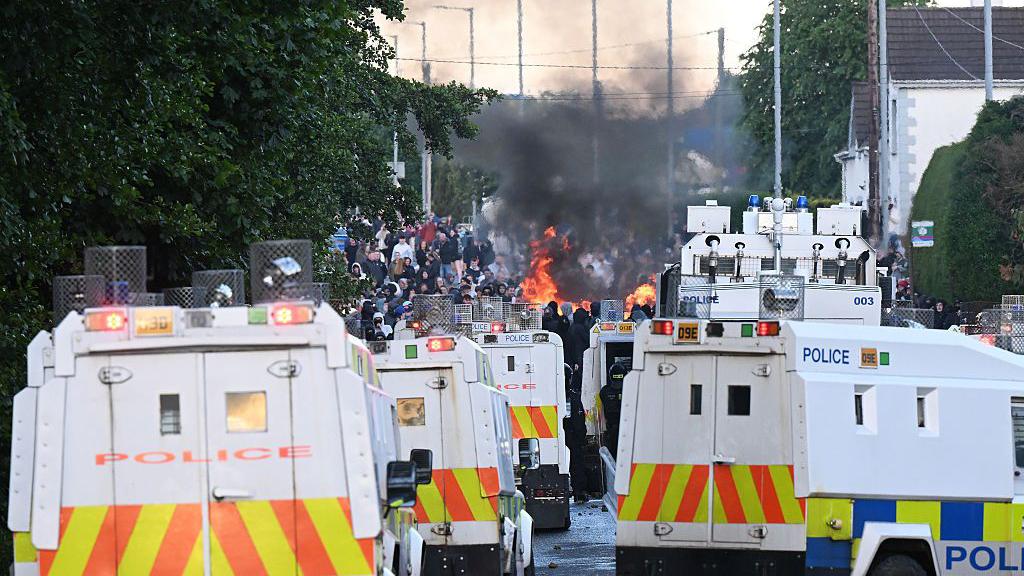
The Police Service of Northern Ireland has operated under financial pressure for years, but the events of June 2026 brought that pressure into sharp and uncomfortable focus. Between June 9 and 11, coordinated anti-immigrant disorder swept through parts of Belfast and other areas of Northern Ireland, with arson attacks on properties housing asylum seekers and migrants, confrontations with police, and scenes of violence that shocked communities across the island and beyond.
The PSNI's response required the deployment of significant resources over an extended period, drawing on specialist Tactical Support Groups and, critically, requesting mutual aid from police forces in Great Britain — a measure that had not been required in Northern Ireland for some years. The total policing cost of the disorder was confirmed at £5.4 million, a figure that represents a substantial proportion of the PSNI's already stretched operational budget.
The structural context is important. A UK Treasury review has acknowledged that per-head spending on policing in Northern Ireland is higher than in England, but has also recognised that the PSNI faces costs that have no equivalent elsewhere in the UK — the legacy of policing a post-conflict society, the costs associated with the invisible EU land border, and the ongoing demands of managing a security environment that remains more complex than anywhere else in Great Britain. Despite this recognition, the PSNI's budget has not kept pace with these unique demands.
Key Developments
Chief Constable Boutcher's warning was delivered in formal communications to the Policing Board and the Northern Ireland Office, and has since been confirmed publicly. He stated that the number of specialist Tactical Support Groups — the units trained and equipped to manage serious public disorder — has already been reduced from 13 to 11 due to budget constraints, and that further reductions cannot be ruled out if the funding situation does not improve.
The Chief Constable was explicit about the implications: calling on police from Great Britain for mutual aid during sustained disorder will become more common, not less. This is a significant admission. The use of GB police in Northern Ireland carries political sensitivities that are absent in other parts of the UK — it raises questions about the nature of the devolution settlement, the capacity of Northern Ireland's institutions to manage their own security, and the relationship between the PSNI and communities that have historically had complex relationships with policing.
The PSNI's investigation into the June disorder has confirmed that loyalist paramilitary members were involved in directing and coordinating the violence. This finding has significant implications for the ongoing debate about the extent to which paramilitarism has been genuinely wound down in Northern Ireland, and for the political parties — particularly within unionism — that have been reluctant to condemn the disorder in unequivocal terms. At a full meeting of Belfast City Council on July 1, unionist parties remained silent on the issue during public proceedings, a stance that drew sharp criticism from nationalist and Alliance councillors.
The government has authorised a £4 million emergency funding boost in response to the riots, but the PSNI has made clear that this is a one-off measure that does not address the underlying structural deficit. The force has called for a comprehensive review of its funding model, arguing that the current arrangements fail to account for the genuine additional costs of policing Northern Ireland.
Why It Matters
The PSNI's funding crisis is not simply a policing story — it is a story about the sustainability of the devolution settlement itself. A police force that cannot manage sustained public disorder without external assistance is a police force that is not fully in control of its own operational capacity. That is a serious matter in any jurisdiction; in Northern Ireland, where the legitimacy of policing has been hard-won and remains contested in some communities, it is particularly acute.
The involvement of loyalist paramilitaries in the June disorder adds another layer of complexity. The peace process was premised on the assumption that paramilitary organisations would progressively wind down their activities and their influence. The evidence from June suggests that assumption requires revisiting. The PSNI's confirmation of paramilitary coordination in the riots will intensify pressure on political parties to take a clearer public stance on the issue — and on the government to consider whether the current approach to managing paramilitary influence is adequate.
For context, the last time the PSNI required sustained mutual aid from GB police forces was during the flag protests of 2012-13, which also involved significant loyalist mobilisation. The recurrence of that pattern more than a decade later suggests that the underlying tensions have not been resolved, merely managed.
Local Impact
In Belfast, the immediate impact of the June disorder was felt most acutely in the communities where the violence occurred. Approximately 200 people — predominantly migrants and asylum seekers — were displaced from their homes, many of them in North Belfast and East Belfast. Several properties were damaged or destroyed by arson. The Northern Ireland Housing Executive and voluntary sector organisations scrambled to find emergency accommodation, placing additional pressure on a housing system that was already under severe strain.
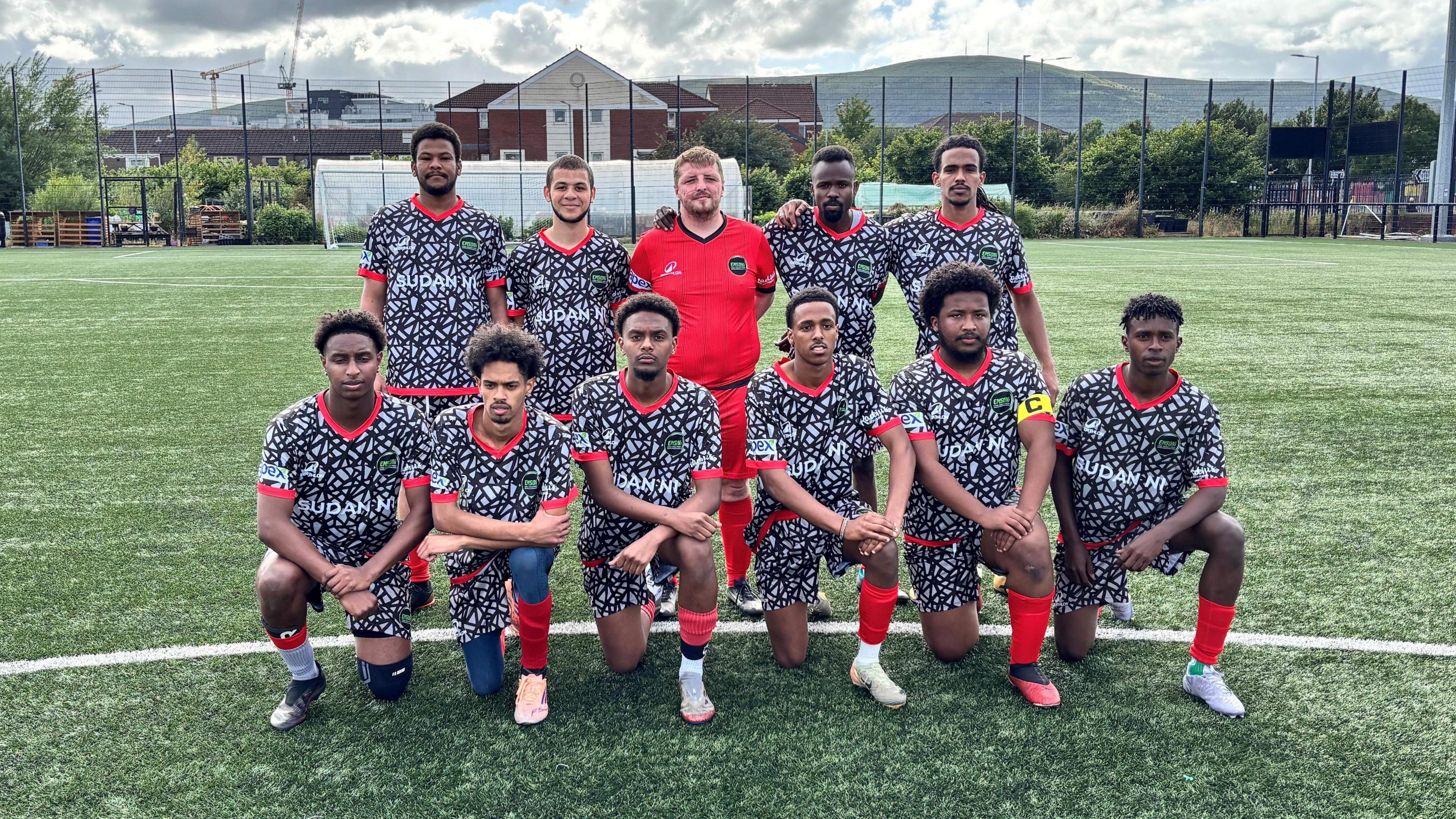
The resumption of the Northern Ireland Confederation Cup — a football tournament for ethnic minority communities that had been suspended during the disorder — has been welcomed as a sign of community resilience, but the underlying anxieties remain. Community workers in areas affected by the riots have reported that many migrant families are reluctant to return to their previous addresses, and that the sense of safety that had been painstakingly built over years of community relations work has been significantly damaged.
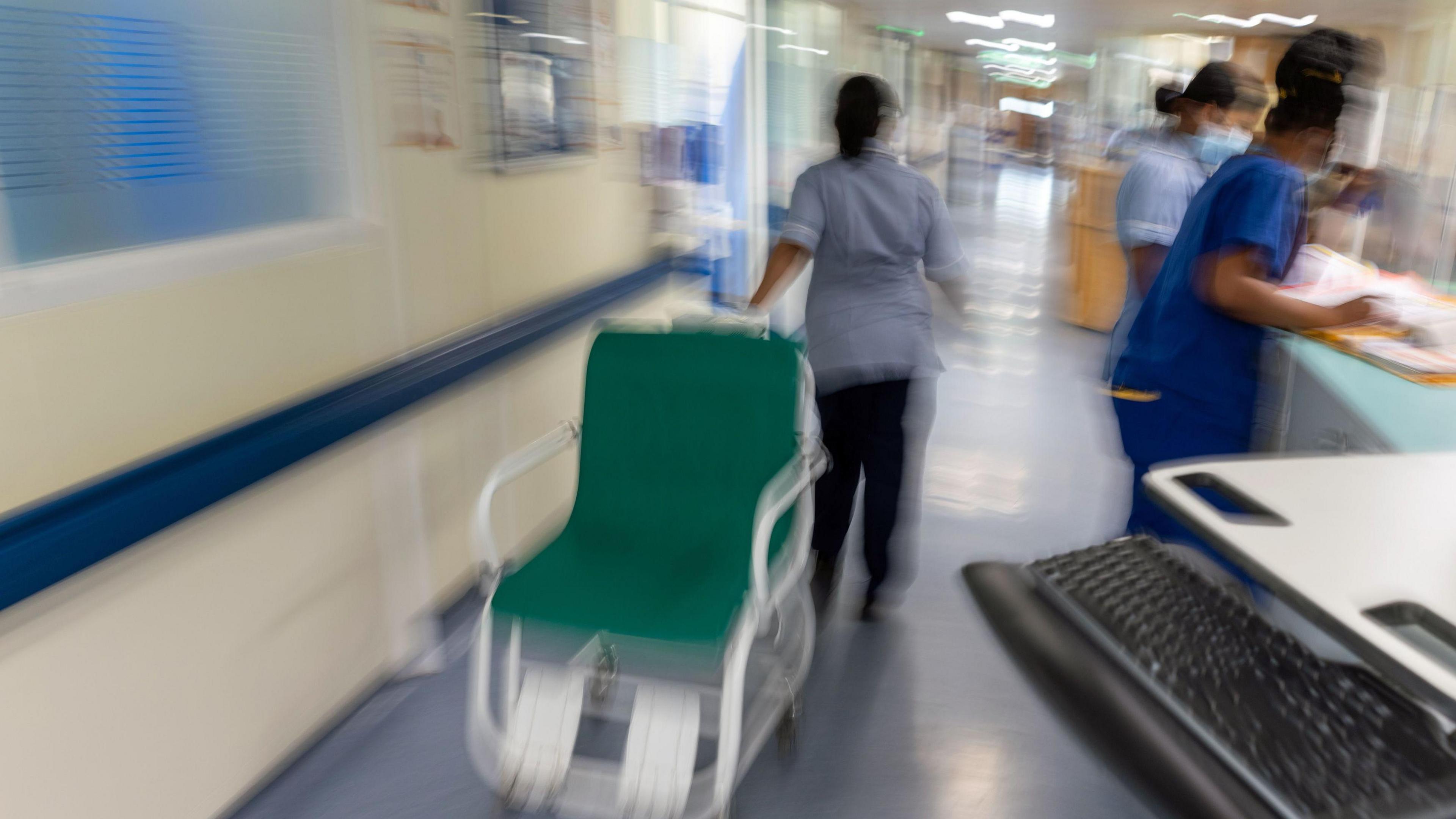
For the PSNI itself, the operational and reputational demands of the past month have been considerable. Officers who policed the disorder have spoken of the physical and psychological toll of sustained deployment in difficult conditions, and the force's welfare services are under pressure to support staff who were exposed to significant violence.
What's Next
The PSNI has formally requested a comprehensive review of its funding model, and the Policing Board has indicated it will support that request. The Northern Ireland Office is expected to respond to the Chief Constable's concerns in the coming weeks, though any significant increase in the PSNI's baseline budget would require agreement between the UK Treasury and the Stormont Executive — a process that is complicated by the Executive's own budget difficulties.
The PSNI's investigation into the June disorder is ongoing, with a number of arrests already made and further charges expected. The investigation into the role of loyalist paramilitaries in coordinating the violence is being treated as a priority, and the Paramilitary Crime Task Force — which brings together the PSNI, the National Crime Agency, and other agencies — is understood to be actively involved.
Political pressure on unionist parties to address the disorder more directly is likely to intensify in the coming weeks, particularly as the investigation produces further evidence of paramilitary involvement. The Twelfth of July parades, which take place across Northern Ireland on July 12, will be watched closely as a potential flashpoint, with the PSNI already engaged in extensive community engagement and contingency planning.