Northern Ireland Confederation Cup Resumes in Belfast After Three-Week Suspension Caused by Anti-Immigrant Riots
The Northern Ireland Confederation Cup — an international football tournament for teams representing the region's diverse ethnic minority communities — has resumed in Belfast after a three-week suspension forced by the anti-immigrant disorder that swept through the city in June, with the competition reformatted from group stages to a straight knockout tournament and the final scheduled for July 25.
Background
The Northern Ireland Confederation Cup was established as a celebration of the diversity that has transformed Belfast and other parts of Northern Ireland over the past two decades. As immigration — both from within the European Union and from further afield — has brought new communities to a region that was historically very homogeneous, football has emerged as one of the most effective tools for building connections across cultural and linguistic divides.
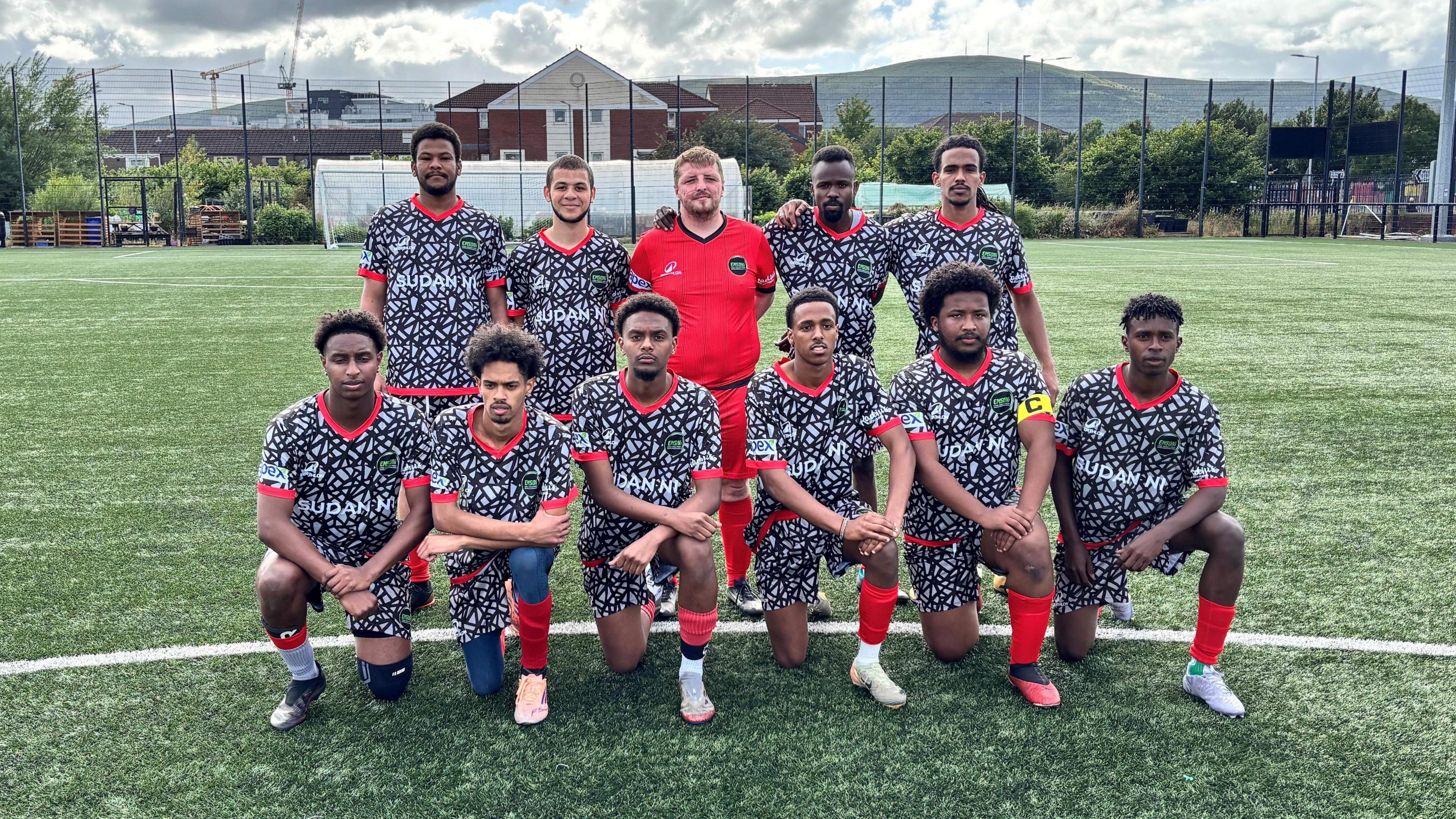
The tournament brings together teams representing the national backgrounds of Northern Ireland's various ethnic minority communities, creating a competition that is simultaneously a sporting event and a community relations exercise. Teams representing countries as varied as India, Sudan, Syria, Poland, Romania, and several others have participated in previous editions, with the competition providing a platform for communities that are often invisible in mainstream Northern Irish sporting life.
The tournament has been running for several years and has built a loyal following among the communities it serves. It is organised by a coalition of community organisations with support from the Irish Football Association and Belfast City Council, and it takes place at pitches across the city, bringing participants and spectators into contact with parts of Belfast they might not otherwise visit.
Key Developments
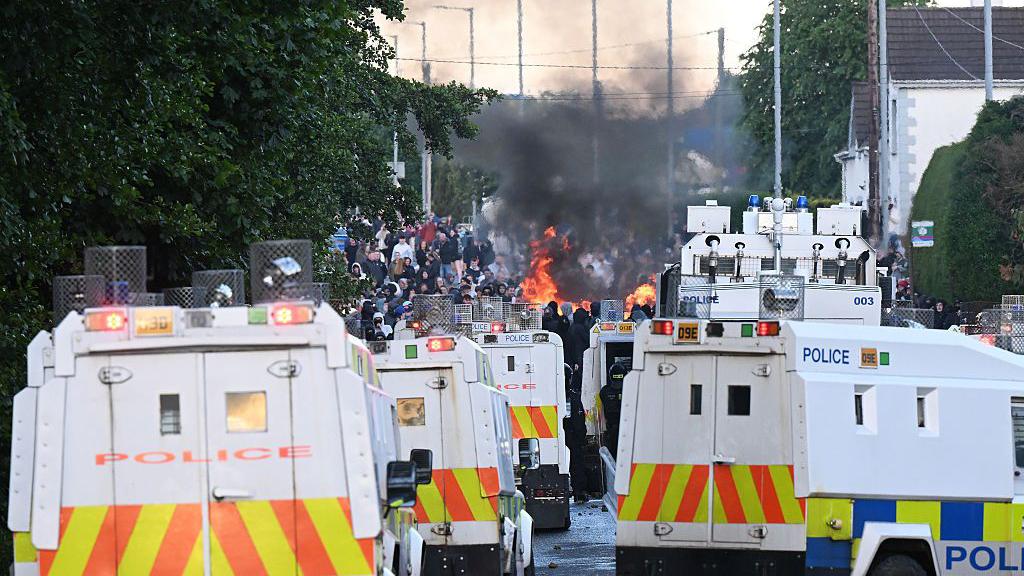
The suspension of the tournament in June was a direct consequence of the anti-immigrant disorder that erupted in Belfast between June 9 and 11. The violence — which involved arson attacks on properties housing migrants and asylum seekers, and which the PSNI has confirmed involved the coordination of loyalist paramilitary members — created an environment in which it was simply not safe to continue the competition. Organisers made the difficult decision to suspend play, prioritising the safety of participants over the completion of the sporting programme.
The three-week suspension was a painful period for the communities involved. For many of the players and their families, the tournament represented one of the few spaces in Belfast where they felt genuinely welcomed and included. Its suspension was a reminder of how fragile that sense of belonging can be, and how quickly the actions of a minority can undermine the patient work of community building.
The decision to resume the competition was taken after extensive consultation with participating communities and with the PSNI, which provided assurances about the security arrangements that would be in place. The format change — from group stages to a straight knockout competition — was a practical necessity given the time lost to the suspension, but it also has the effect of creating a more intense and dramatic conclusion to the tournament, with every match now a potential elimination.
Organisers have been explicit about the symbolic significance of the resumption. They have described it as a deliberate act of defiance against the racism and xenophobia that drove the June disorder, and as a statement that Belfast's diverse communities will not be intimidated into invisibility. The language used — "defiance," "resilience," "statement" — reflects the degree to which the tournament has taken on a meaning that extends well beyond sport.
Why It Matters
The resumption of the Confederation Cup matters because it represents a choice — a choice by communities that have been targeted and frightened to continue engaging with public life in Belfast rather than retreating into isolation. That choice is not a small thing. In the aftermath of the June disorder, many migrant and asylum-seeking families have been reluctant to return to their previous addresses, and community workers have reported a significant increase in anxiety and fear among ethnic minority communities across the city.
Against that backdrop, the decision to put on football boots and play in a public park in Belfast is an act of courage as much as it is an act of sport. It sends a message — to the communities involved, to the broader Belfast public, and to those who perpetrated the June violence — that the city's diverse communities are here, they belong, and they will not be driven away.
The tournament also serves a practical community relations function that is easy to underestimate. Football is a universal language in a way that few other activities are. It creates shared experiences, shared frustrations, and shared celebrations that cut across cultural and linguistic barriers. The relationships built on the pitch — between players from different countries, between teams from different communities — are the kind of relationships that make a city more cohesive and more resilient to the kind of division that the June disorder sought to exploit.
Local Impact
The matches are taking place at pitches across Belfast, including facilities in North Belfast, East Belfast, and South Belfast — areas that were affected to varying degrees by the June disorder. The decision to use pitches in these areas, rather than retreating to a single neutral venue, is itself a statement: the tournament is reclaiming public space that the disorder sought to make hostile.
Belfast City Council has provided logistical support for the resumption, and several councillors from across the political spectrum have attended matches to demonstrate solidarity with the participating communities. The Irish Football Association has also been visible in its support, with senior officials attending fixtures and making public statements about the importance of the tournament to the development of football in Northern Ireland.
For the players themselves, the return to competition has been described as a source of genuine relief. Several participants have spoken about the importance of having a structured activity to return to after the anxiety of the suspension period, and about the sense of normality that football provides in circumstances that have been anything but normal.
What's Next
The knockout rounds will take place over the coming weeks, with the final scheduled for July 25. Organisers are hoping to make the final a significant community event, with plans for a celebration that extends beyond the football itself to include music, food, and cultural performances from the participating communities.
Looking further ahead, the organisers have indicated they intend to expand the tournament in 2027, adding new teams and potentially extending the competition to include venues outside Belfast. The events of June have, paradoxically, generated increased interest in the tournament from communities that were not previously involved, with several new groups expressing interest in fielding teams next year.
The Irish Football Association has indicated it will review its support for the tournament in light of the events of June, with a view to providing more substantial backing — both financial and logistical — for future editions. The association has recognised that the Confederation Cup represents exactly the kind of grassroots, community-based football development that its strategic plan prioritises, and that the events of June have demonstrated its importance in a way that no amount of strategic planning could have anticipated.