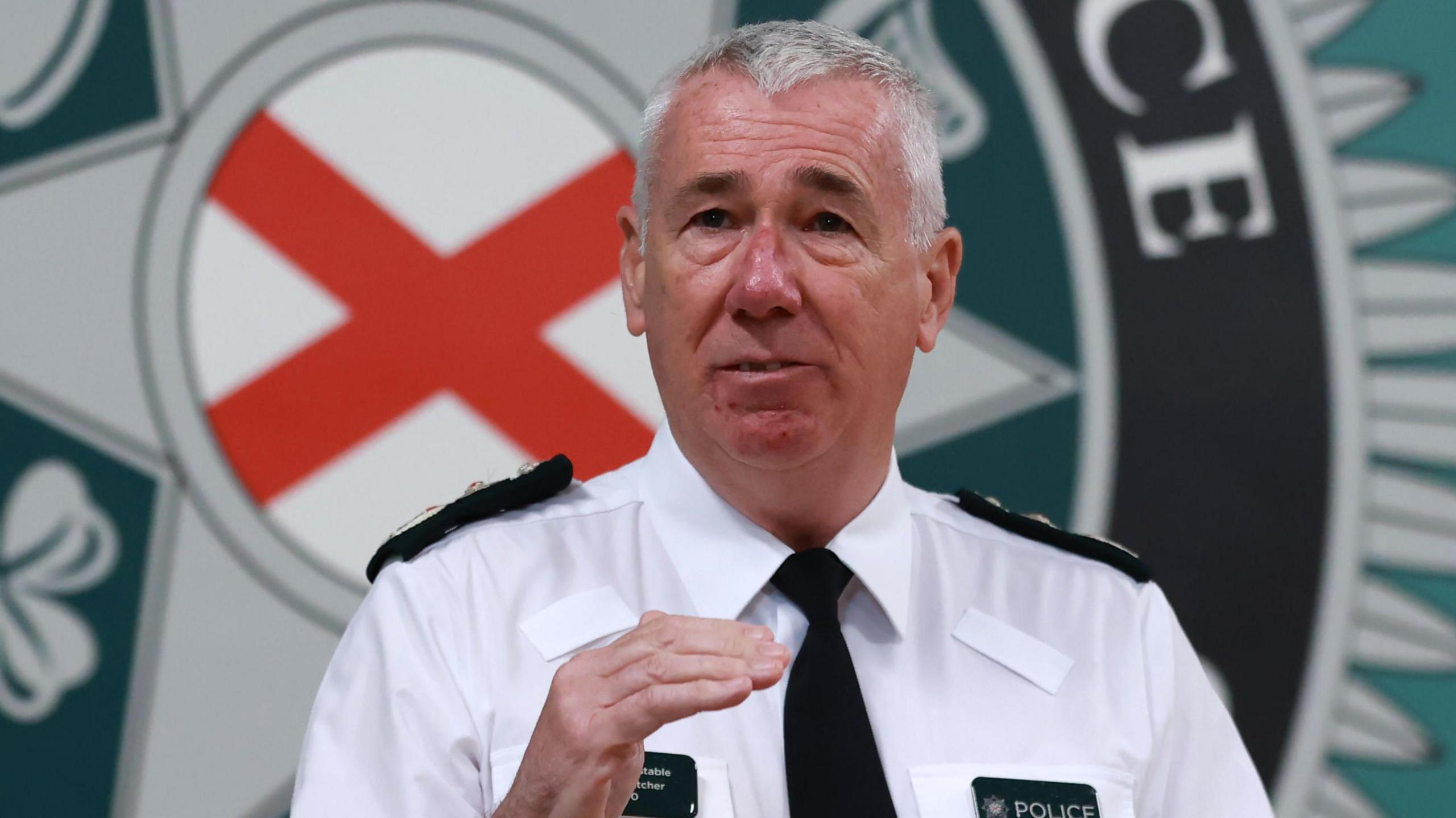
PSNI Chief Constable Says Sorry to Former Officer Who Endured 'Misogynistic Vendetta'
PSNI Chief Constable Jon Boutcher has issued a formal public apology to former Chief Inspector Ursula Merrick, acknowledging that the force's internal processes failed her after she reported concerns about a colleague's behaviour and was subsequently subjected to what an employment tribunal described as "malicious" and "scurrilous" allegations in what Merrick herself has called a "misogynistic vendetta" — a campaign that ultimately drove her out of a career she had dedicated 28 years to building.
Background
Ursula Merrick joined the Royal Ulster Constabulary in 1993 and served with distinction across a range of roles before becoming deputy head of the PSNI's professional standards department — the very unit responsible for upholding integrity and investigating misconduct within the force. It was in that role, in 2018, that she lodged a formal complaint after reporting concerns about the behaviour of another officer, specifically regarding alleged sexual harassment.
What followed, according to the employment tribunal that heard her case in 2023, was a sustained campaign of harassment orchestrated by Superintendent Ian Campbell, who made a series of allegations against Merrick that the tribunal found to be "malicious" and "scurrilous." The tribunal upheld Merrick's claims of discrimination on the grounds of both sex and disability — she had been living with arthritis — and found that comments made to her about her working hours were "fatally infected with gender stereotyping."
Merrick retired on medical grounds in 2021, having been unable to continue in a workplace she described as hostile and unsupportive. She has spoken publicly about the profound personal and professional toll of the experience, describing the years of fighting for accountability as "exhausting and isolating." The tribunal ruling in her favour in 2023 was a vindication, but the absence of any formal acknowledgement from the PSNI's leadership left a significant gap in the accountability process.
Key Developments
Chief Constable Boutcher's apology, delivered on Monday, acknowledged that the PSNI's internal processes had failed to adequately address Merrick's initial complaints and that the force had lost "an experienced and diligent police officer" as a result. He stated that there is "no place for behaviour like this in the PSNI" and offered to meet Merrick in person to deliver the apology directly.
Merrick welcomed the apology but described it as "very late," noting that it had arrived three and a half years after her tribunal victory and nearly a decade after she first began the process of seeking accountability. "The irony is not lost on me that the harassment came from the Head of Professional Standards — the person who was supposed to be the guardian of integrity in this organisation," she said. "I helped write the whistleblowing protections that were supposed to protect people like me. They didn't work."
Former Police Ombudsman Baroness Nuala O'Loan commented that the case raised serious questions about the culture within the PSNI, particularly regarding the declining representation of women in senior ranks. She noted that the force's failure to protect a senior female officer who had done the right thing by reporting misconduct would inevitably deter others from coming forward.
Why It Matters
The Merrick case is significant not only for what it reveals about the treatment of one individual, but for what it suggests about the institutional culture of the PSNI at a critical moment in its development. The force is still navigating the legacy of its transformation from the RUC, and its ability to attract and retain officers from across the community — including women and those from Catholic and nationalist backgrounds — depends on its credibility as an organisation that treats its own people fairly.
The fact that the harassment originated in the professional standards department — the unit specifically tasked with investigating misconduct — is particularly troubling. It suggests that the mechanisms designed to protect whistleblowers and uphold integrity were themselves compromised, and that officers who reported concerns could face retaliation rather than protection. This is precisely the kind of institutional failure that erodes public confidence in policing.
Chief Constable Boutcher, who took over the force in 2023 with a mandate to address cultural issues and rebuild public trust, has made clear that he regards the Merrick case as a serious institutional failure. His willingness to issue a public apology — rather than a private acknowledgement — is a meaningful step, even if it comes later than it should have.
Local Impact
Within the PSNI, the case has prompted renewed discussion about the effectiveness of the force's whistleblowing and grievance procedures. The Police Federation for Northern Ireland has called for an independent review of the professional standards department's processes, arguing that the Merrick case demonstrates that internal oversight mechanisms are insufficient when the alleged misconduct involves senior officers. The Policing Board has been asked to include the case in its next thematic review of PSNI culture and governance.
What's Next
Merrick's legal representatives have indicated that they will seek a meeting with the Chief Constable to discuss the specific structural changes needed to prevent similar cases in the future. The Police Ombudsman's office has been asked to consider whether the conduct of Superintendent Campbell warrants a formal investigation under the Ombudsman's jurisdiction. The PSNI has committed to publishing an updated equality and diversity action plan by the end of 2026, which will include specific measures to improve the experience of female officers in the force.