PSNI Arrests Two People in Criminal Investigation into Presbyterian Church in Ireland Safeguarding Failures
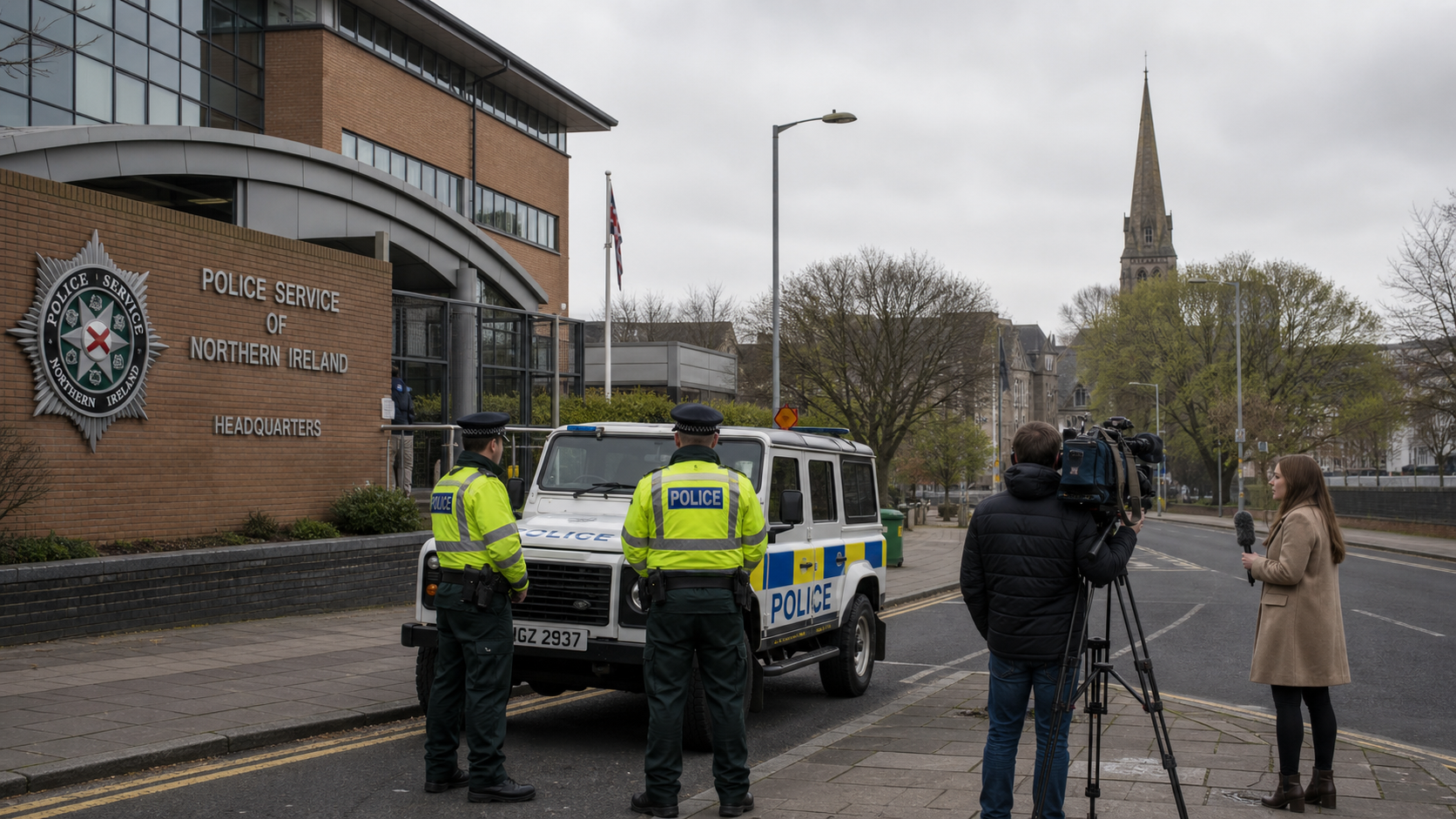
The Police Service of Northern Ireland has arrested two individuals as part of its criminal investigation into safeguarding failures within the Presbyterian Church in Ireland, marking a significant escalation in a probe that has received 127 contacts from potential victims and witnesses since it was launched in November 2025 following the resignation of the church's former moderator.
Background
The Presbyterian Church in Ireland is one of the largest Protestant denominations on the island, with a particularly strong presence in Northern Ireland, where it has deep roots in communities across all six counties. The church operates hundreds of congregations, runs schools, and maintains a significant presence in civic and community life, particularly in areas with strong Ulster-Scots and unionist traditions.
The current crisis began in November 2025, when the church publicly acknowledged "serious and significant failings" in its central safeguarding functions during the period from 2009 to 2022. The acknowledgement was accompanied by the resignation of the then-moderator, Rev. Trevor Gribben, whose departure signalled the gravity with which the church's leadership viewed the situation. The PSNI launched a criminal investigation shortly afterwards, employing what it described as a "safeguarding-led approach" in recognition of the sensitive nature of the case and the need to manage it in a way that prioritised the welfare of potential victims.
Since the investigation was launched, the church has taken a series of steps to address the governance and structural failures that allowed the safeguarding problems to persist for more than a decade. These have included an independent external review of governance and safeguarding arrangements, the establishment of a new three-person senior leadership team including a Director of Operations, and a major training programme that saw approximately 2,800 individuals receive updated safeguarding training during May and June 2026. The Charity Commission for Northern Ireland has also launched its own review of the church's practices.
Key Developments
The PSNI confirmed on 4 September 2026 that two people had been arrested as part of the ongoing investigation. The arrests represent the first significant enforcement action in the probe and signal that the investigation has moved from the information-gathering phase into active criminal proceedings. The PSNI has not disclosed the identities of those arrested or the specific nature of the allegations against them, in line with standard practice in sensitive safeguarding investigations.
The investigation has received 127 contacts from individuals, including potential victims and witnesses, since it was launched. This figure indicates a significant volume of information has been provided to police, and suggests that the safeguarding failures identified by the church were not isolated incidents but part of a broader pattern of conduct over the thirteen-year period under investigation.
The current Moderator of the Presbyterian Church in Ireland, Rev. Richard Kerr, expressed deep sadness at the circumstances that had necessitated the police intervention. The church has pledged its full cooperation with the PSNI and has indicated an openness to moving away from the use of non-disclosure agreements in cases involving safeguarding concerns, in order to rebuild trust with its membership and the wider public.
Why It Matters
The Presbyterian Church in Ireland investigation is significant both for what it reveals about the specific institution and for what it says about the broader challenge of safeguarding in religious organisations. The thirteen-year period covered by the investigation — 2009 to 2022 — spans a time when awareness of safeguarding issues in religious contexts was growing rapidly, following the exposure of widespread abuse in the Catholic Church in Ireland and elsewhere. The fact that serious failings persisted within a major Protestant denomination during this period raises important questions about whether the lessons of those earlier scandals were adequately absorbed across the religious landscape.
The investigation also has implications for the church's relationship with the communities it serves across Northern Ireland. The Presbyterian Church has historically been a trusted institution in many unionist and loyalist communities, and the damage to that trust from the safeguarding failures — and from the manner in which they were handled internally — will take years to repair. The church's willingness to cooperate with the PSNI and to implement structural reforms will be closely watched by its membership and by the wider public.
For context, the Catholic Church in Ireland has been through a similar process of reckoning with historical safeguarding failures, and the experience of that institution suggests that the path to rebuilding trust is long and requires sustained commitment to transparency and accountability rather than a single set of reforms.
Local Impact
The investigation affects Presbyterian congregations across Northern Ireland, from the large urban churches in Belfast and Derry to the smaller rural congregations in Antrim, Down, Armagh, Fermanagh, and Tyrone. Many of these communities have been deeply unsettled by the revelations, and church leaders at congregational level have been working to provide pastoral support to members who are struggling to process the news. The church's network of schools — which includes a number of grammar schools in Belfast and across the province — has also been affected, with governors and principals working to reassure parents and students.
Advice and support services for those who may have been affected by the safeguarding failures are available through the PSNI's dedicated contact route, as well as through organisations including the NSPCC, Nexus NI, and the Samaritans.
What's Next
The PSNI investigation is ongoing, and further arrests or charges may follow as the probe continues. The independent external review of the church's governance and safeguarding arrangements is expected to report in the coming months, and its findings will inform further structural reforms. The Charity Commission for Northern Ireland's review is also continuing. The church's General Assembly, which is the governing body of the denomination, is expected to consider the findings of both reviews at its next meeting and to take decisions on further reforms to its safeguarding structures.