PSNI Arrests Reach 19 as Investigation into Northern Ireland's 'Week of Shame' Riots Intensifies
The PSNI has confirmed 19 arrests and the identification of 21 suspects in connection with the violent, race-hate-motivated disorder that convulsed Northern Ireland in mid-June, with Chief Constable Jon Boutcher maintaining a robust zero-tolerance posture and warning that individuals who used social media to incite attacks are facing criminal prosecution alongside those who took to the streets.
Background
The disorder that erupted across Northern Ireland in the second week of June was the most serious outbreak of civil unrest the province had experienced in several years. Sparked by a knife attack in North Belfast on June 8, the violence quickly took on a racially motivated character, with homes and vehicles belonging to ethnic minority residents targeted, a Glider bus hijacked and set alight, and police officers attacked with petrol bombs and masonry across multiple locations.
The scale of the response required by the PSNI was significant. Chief Constable Jon Boutcher authorised the deployment of water cannons — a measure rarely used in Northern Ireland in recent years — and sought mutual aid from police forces elsewhere in the United Kingdom. Officers from England and Scotland were drafted in to support local colleagues as the disorder spread beyond Belfast to other towns and cities across the province.
The political response was swift and largely unified. First Minister Michelle O'Neill, Deputy First Minister Emma Little-Pengelly, and leaders across the main parties condemned the violence in unequivocal terms. The Irish government also expressed concern, with Tánaiste Simon Harris speaking of the need for enhanced cross-border security cooperation in the aftermath of the unrest. The events drew international media attention and prompted difficult questions about the state of community relations in Northern Ireland nearly three decades after the Good Friday Agreement.
Key Developments
As of this weekend, the PSNI investigation has gathered considerable momentum. The 19 arrests made to date span a range of offences including riot, arson, assault on police, and racially aggravated criminal damage. A further 21 individuals have been formally identified as suspects and are expected to face charges in the coming weeks as the evidential process is completed.
A significant strand of the investigation is focused on social media activity. Police have confirmed they are examining a large volume of online content, including posts that shared the home addresses of ethnic minority residents and called for attacks on specific properties. Chief Constable Boutcher has been explicit that posting such content constitutes a criminal offence and that those responsible will be pursued with the same vigour as those who participated in the physical disorder.
First Minister Michelle O'Neill addressed the situation directly this weekend, describing the rioters' actions as fundamentally at odds with the values of contemporary Northern Ireland. "This is racist thuggery and it is a stain on our society," she said. "The actions of the mob responsible for this mindless destruction do not reflect the people of this generation, a generation that is building a better future." The First Minister's language was notably strong, reflecting the depth of political concern about the damage done to Northern Ireland's international reputation.
Why It Matters
The riots of mid-June represent a serious test for Northern Ireland's institutions, its police service, and its political leadership. The province has made enormous strides in community relations since the darkest days of the Troubles, and the emergence of racially motivated disorder on this scale is a sobering reminder that social cohesion cannot be taken for granted. Unlike the sectarian tensions that historically defined Northern Ireland's conflicts, this disorder was directed at ethnic minority communities — a relatively new and deeply troubling development.
The PSNI's response has been broadly praised for its firmness, though some community organisations have raised concerns about the adequacy of support for those whose homes and businesses were targeted. The investigation's focus on social media incitement is particularly significant: it signals that police are determined to address the online ecosystem that amplified and accelerated the disorder, not merely the physical acts of violence. This approach mirrors strategies adopted by police forces in England following similar events in 2024, and its effectiveness in Northern Ireland will be closely watched.
For the broader political project of building a shared future in Northern Ireland, the events of mid-June and their aftermath represent a moment of reckoning. The response of civic society — the community groups, faith leaders, and ordinary residents who organised clean-up efforts and solidarity events in the days following the disorder — has been widely cited as evidence that the values of inclusion and respect remain deeply held across the province.
Local Impact
In North Belfast, where the initial knife attack occurred and where some of the worst disorder took place, the impact on affected communities has been severe. Families from ethnic minority backgrounds who had their homes targeted have described the experience as terrifying, with some temporarily relocating while repairs were carried out. Community organisations in areas including Tiger's Bay, New Lodge, and the Antrim Road have been working to provide practical support and to facilitate dialogue between different communities.
Translink services, which were suspended in several areas during the height of the disorder, have been fully restored, though the hijacking and burning of a Glider bus caused significant disruption to commuters across the network. The PSNI has maintained a heightened presence in affected areas, and community policing teams have been working intensively with local residents to rebuild confidence and gather intelligence.
What's Next
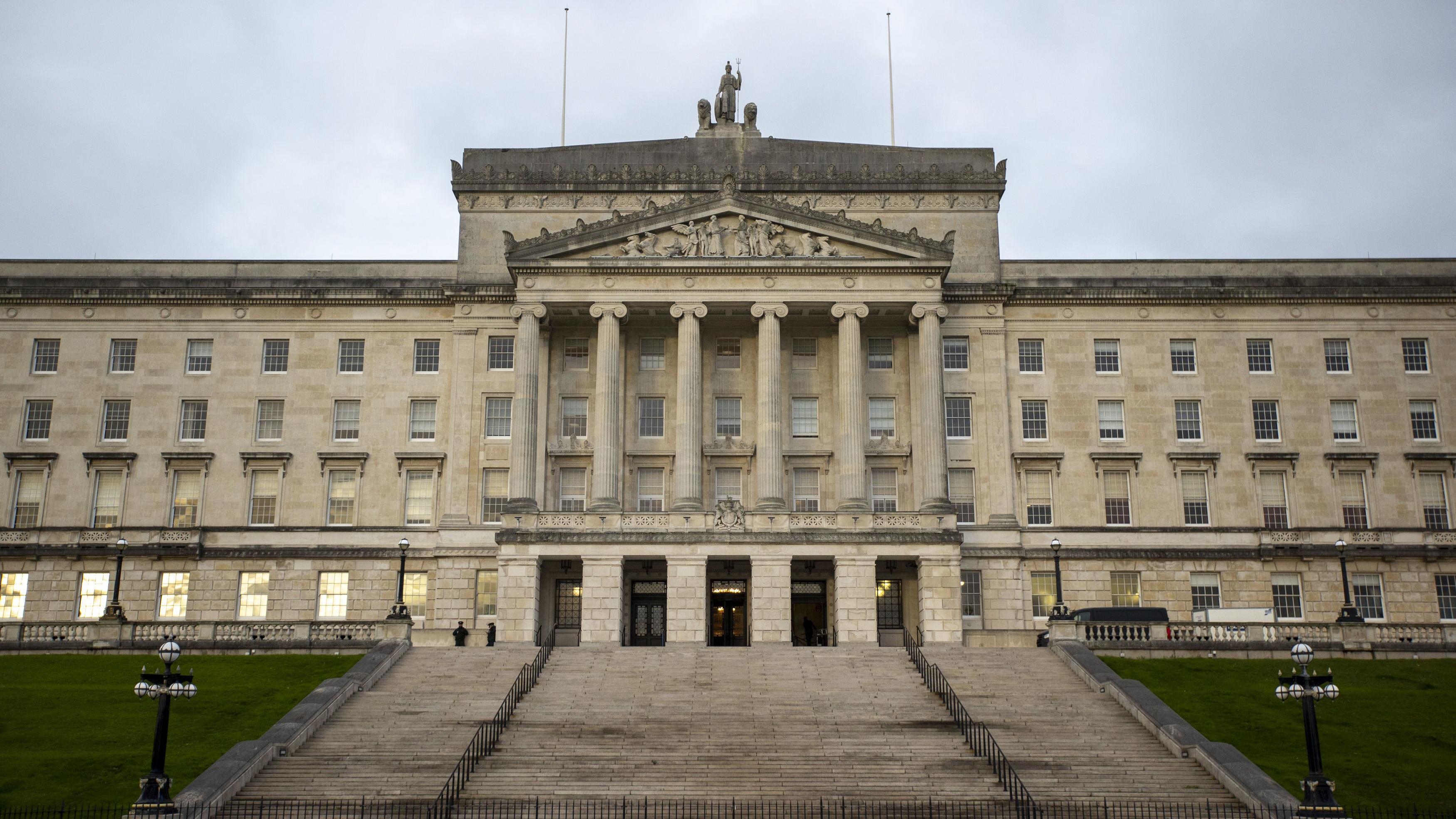
The PSNI has indicated that further arrests are expected in the coming weeks as the investigation progresses. Prosecutions are likely to begin in the autumn, with cases involving the most serious offences — including arson and assault on police — expected to be heard in the Crown Court. The Chief Constable has committed to providing regular public updates on the investigation's progress. Stormont's Justice Committee is expected to hold a dedicated session on the disorder and the policing response before the summer recess.