Noah Donohoe Inquest Concludes Final Witness Evidence as Detective Warns Some Questions May Never Be Answered
The inquest into the death of 14-year-old Noah Donohoe has concluded its witness evidence phase after 20 weeks of testimony, with the final witness — Detective Chief Inspector Tom Phillips — telling the jury that despite one of the most extensive investigations in recent PSNI history, some of the questions surrounding the teenager's death on June 27, 2020, may never be definitively resolved.
Background
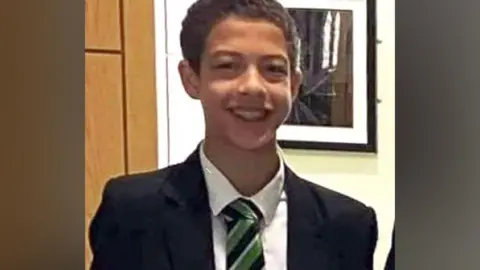
Noah Donohoe was 14 years old when he disappeared from the streets of North Belfast on the evening of June 21, 2020. His body was discovered six days later in a storm drain in the Newington area of the city. The circumstances of his disappearance and death — which occurred during the first summer of the Covid-19 pandemic, when CCTV coverage was limited and witness accounts were difficult to gather — have been the subject of intense scrutiny and public concern ever since.
Noah's mother, Fiona Donohoe, has been a tireless advocate for a full and transparent investigation into her son's death, and her determination to seek answers has been a defining feature of the public response to the case. The inquest, which began hearing evidence in late 2025, was established to examine the circumstances of Noah's death and to determine, as far as possible, what happened to him in the hours between his disappearance and the discovery of his body.
The case has attracted sustained media attention and public sympathy, not only because of the tragic circumstances of Noah's death but because of the unanswered questions that have surrounded it from the beginning. Why did Noah remove his clothing before entering the storm drain? What was his state of mind in the hours before his disappearance? These questions have haunted his family and the wider community for six years.
Key Developments
Detective Chief Inspector Tom Phillips, who led the PSNI investigation into Noah's death, gave evidence as the final witness in the inquest's 20th week of hearings. His testimony addressed the scope and methodology of the police investigation, the evidence gathered, and the conclusions that could and could not be drawn from that evidence.
DCI Phillips told the jury that the investigation had been thorough and had examined every available line of inquiry. However, he acknowledged that the nature of the circumstances — the remote location of the storm drain, the limited CCTV coverage in the area at the time, and the absence of witnesses to the critical period of Noah's movements — meant that some questions would likely remain unanswered regardless of the investigation's thoroughness.
The conclusion of witness evidence marks a significant milestone in the inquest process. The jury will now hear closing submissions from the legal teams representing the various interested parties before retiring to consider their verdict. The inquest is expected to conclude before the end of the summer, though the precise timeline will depend on the length of the closing submissions and the jury's deliberations.
Why It Matters
The Noah Donohoe inquest matters for reasons that go beyond the individual tragedy of one family's loss. It represents a test of the inquest system's capacity to provide meaningful answers in cases where the evidence is incomplete and the circumstances are genuinely ambiguous. Fiona Donohoe's pursuit of truth for her son has resonated deeply with the public, and the manner in which the inquest has been conducted — with transparency and rigour — has been broadly praised by legal observers.
The acknowledgement by the lead detective that some questions may never be answered is a sobering but honest assessment. It reflects the genuine limitations of forensic investigation in cases where the critical events occurred in circumstances that left little physical evidence. For Noah's family, this admission will be painful, but it is preferable to false certainty or premature closure.
The case has also prompted broader reflection on the adequacy of CCTV coverage in Belfast's residential areas and on the protocols for responding to missing persons reports involving young people. Several of the issues raised during the inquest have already informed changes to PSNI procedures, and the final verdict is expected to include recommendations for further improvements.
Local Impact
In North Belfast, where Noah lived and where his body was found, the inquest has been followed with particular intensity. The Newington and Antrim Road communities have maintained a quiet solidarity with the Donohoe family throughout the six years since Noah's death, and the conclusion of the evidence phase has been met with a mixture of relief and apprehension. Local community groups have provided ongoing support to the family, and a memorial to Noah in the area has become a place of quiet reflection for many residents.
What's Next
Closing submissions to the jury are expected to begin in the coming weeks, with legal teams for the Donohoe family, the PSNI, and other interested parties each presenting their analysis of the evidence. The jury will then retire to consider its verdict, which will address the circumstances of Noah's death and may include recommendations for changes to policing or public safety procedures. The Donohoe family has indicated they will continue to seek answers regardless of the inquest's findings.