Jeffrey Donaldson Conviction Continues to Cast Long Shadow Over DUP and Northern Ireland's Political Landscape
The conviction of former DUP leader Jeffrey Donaldson on 18 historical sexual offences, including rape, continues to shape Northern Ireland's political landscape this weekend, with calls intensifying for the couple to be stripped of their honours, the DUP working to rebuild its credibility, and legal proceedings in the case of Stephen McCullagh — convicted of the murder of Natalie McNally — adding to a period of profound reckoning for the province's institutions.
Background
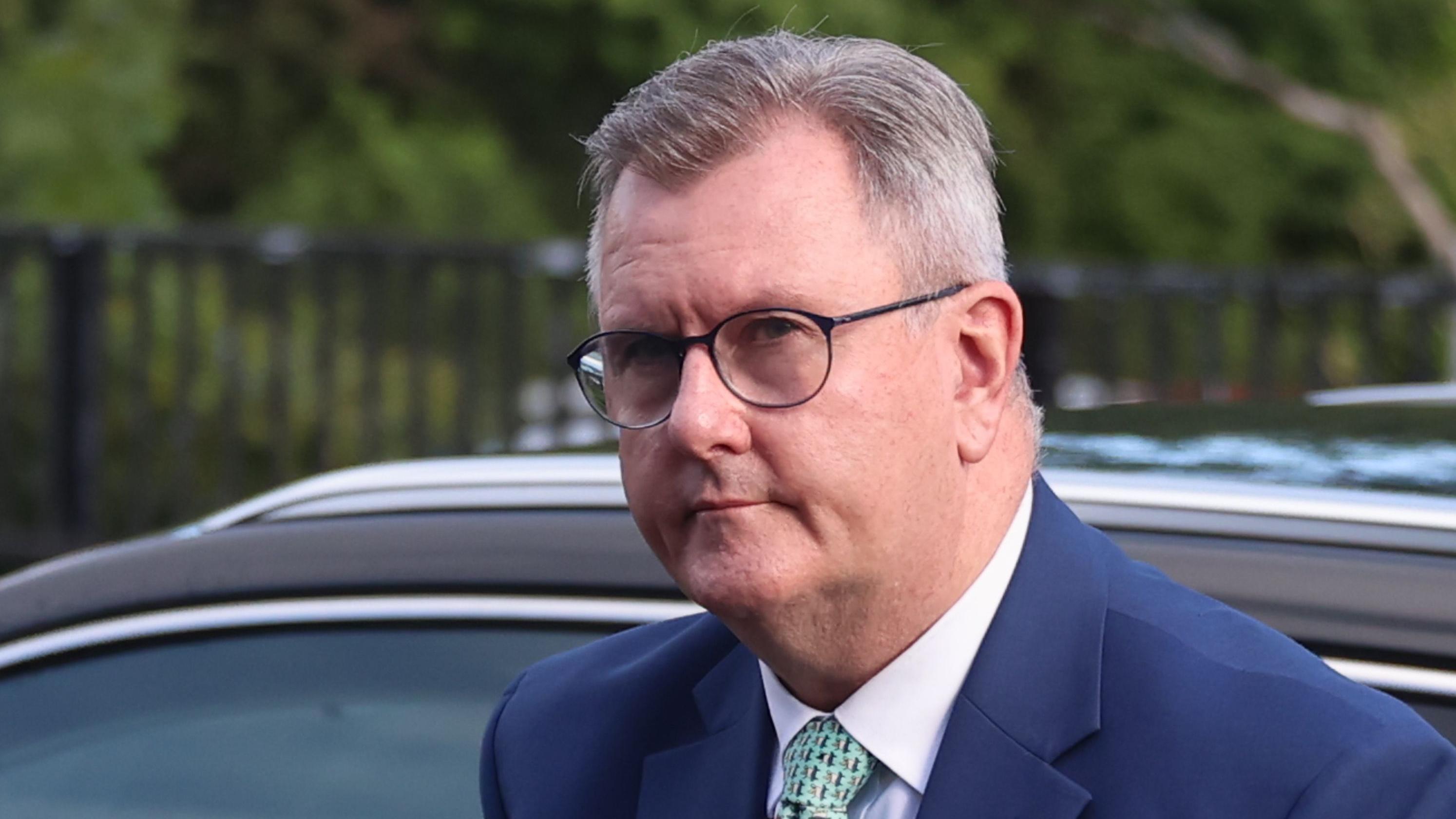
Jeffrey Donaldson served as leader of the Democratic Unionist Party from 2021 until his sudden resignation in March 2024, when he was charged with a series of historical sexual offences. His arrest and subsequent resignation sent shockwaves through Northern Ireland's political establishment, not least because Donaldson had been one of the most prominent and apparently respected figures in unionist politics for more than two decades.
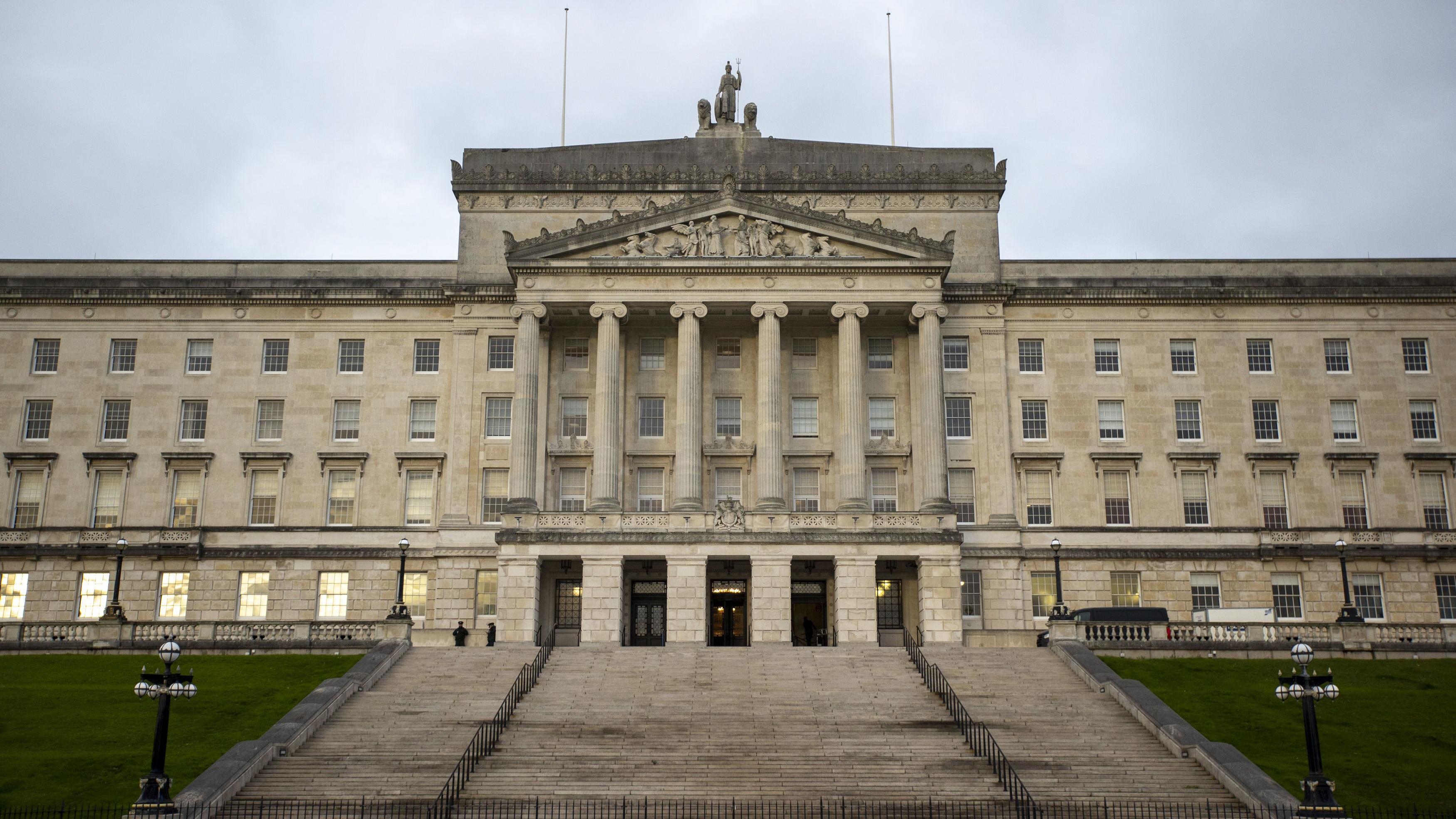
Donaldson had been a Member of Parliament for Lagan Valley since 2005 and had played a significant role in the negotiations that led to the restoration of the Stormont Executive in February 2024 — a restoration that came just weeks before his arrest. The timing was deeply ironic: the man who had been central to bringing devolution back from the brink was simultaneously facing charges that would ultimately result in his imprisonment.
His wife, Eleanor Donaldson, was found to have aided and abetted some of the offences, a finding that added another layer of complexity to an already deeply troubling case. The couple had presented a united public front throughout Jeffrey Donaldson's political career, and the revelation of the offences — and Eleanor's role in facilitating some of them — has prompted painful reflection among those who knew them personally and professionally.
Key Developments
This weekend, the political and public discourse around the Donaldson case has focused primarily on the question of honours. Jeffrey Donaldson holds a knighthood, awarded for his political service, and there have been widespread calls for it to be revoked in light of his conviction. The process for stripping a knighthood is managed by the Honours Forfeiture Committee, which advises the monarch, and it is understood that the committee is examining the case.
Donaldson has himself indicated a desire to renounce the knighthood and has resigned from the Privy Council, steps that reflect an acknowledgement that his continued association with these honours is untenable. However, the formal process of revocation requires action by the relevant authorities, and the timeline for that process remains unclear.
Within the DUP, the party has been working to demonstrate that it has moved on from the Donaldson era and to rebuild public trust. The party's current leadership has sought to draw a clear line between the institution and the actions of its former leader, but the task of rebuilding credibility in the wake of such a damaging episode is a long-term project that will require sustained effort.
Why It Matters
The Donaldson case matters for reasons that extend well beyond the DUP. It raises fundamental questions about the culture of accountability within Northern Ireland's political parties and about the mechanisms that exist — or fail to exist — for identifying and addressing misconduct by those in positions of power. The fact that Donaldson was able to continue in public life for so long while the offences were occurring is a question that the political system as a whole must grapple with honestly.
The case has also had a significant impact on the victims, whose courage in coming forward and pursuing justice through the courts deserves acknowledgement. The legal process has been lengthy and, for those involved, deeply difficult. The conviction represents a measure of justice, but it does not undo the harm that was done.
For Northern Ireland's political institutions, the case is a reminder that the structures of devolved government — however imperfect — depend ultimately on the integrity of the individuals who operate within them. The restoration of public trust in those institutions requires not just procedural reform but a genuine cultural shift in how political parties recruit, support, and hold accountable their members.
Local Impact
In Lagan Valley, the constituency that Donaldson represented for nearly two decades, the reaction to his conviction has been one of shock and sadness. Many constituents who had trusted him as their representative feel a profound sense of betrayal. The by-election that followed his resignation saw a significant shift in the political landscape of the constituency, and the long-term consequences for unionist politics in the area remain to be seen. Community organisations and faith groups in the area have been providing support to those affected by the case.
What's Next
The Honours Forfeiture Committee is expected to complete its examination of the Donaldson case in the coming months, with a recommendation to the monarch anticipated before the end of the year. Within the DUP, the party's annual conference in the autumn will provide an opportunity for the leadership to set out its vision for the future and to demonstrate that it has learned the lessons of the Donaldson era. The sentencing of Stephen McCullagh for the murder of Natalie McNally, which is expected in the coming weeks, will add another chapter to what has been an extraordinarily difficult period for Northern Ireland's public life.