Plane Full of Strangers Erupts in Celebration for Two-Year-Old Cruz's Victory Over Cancer
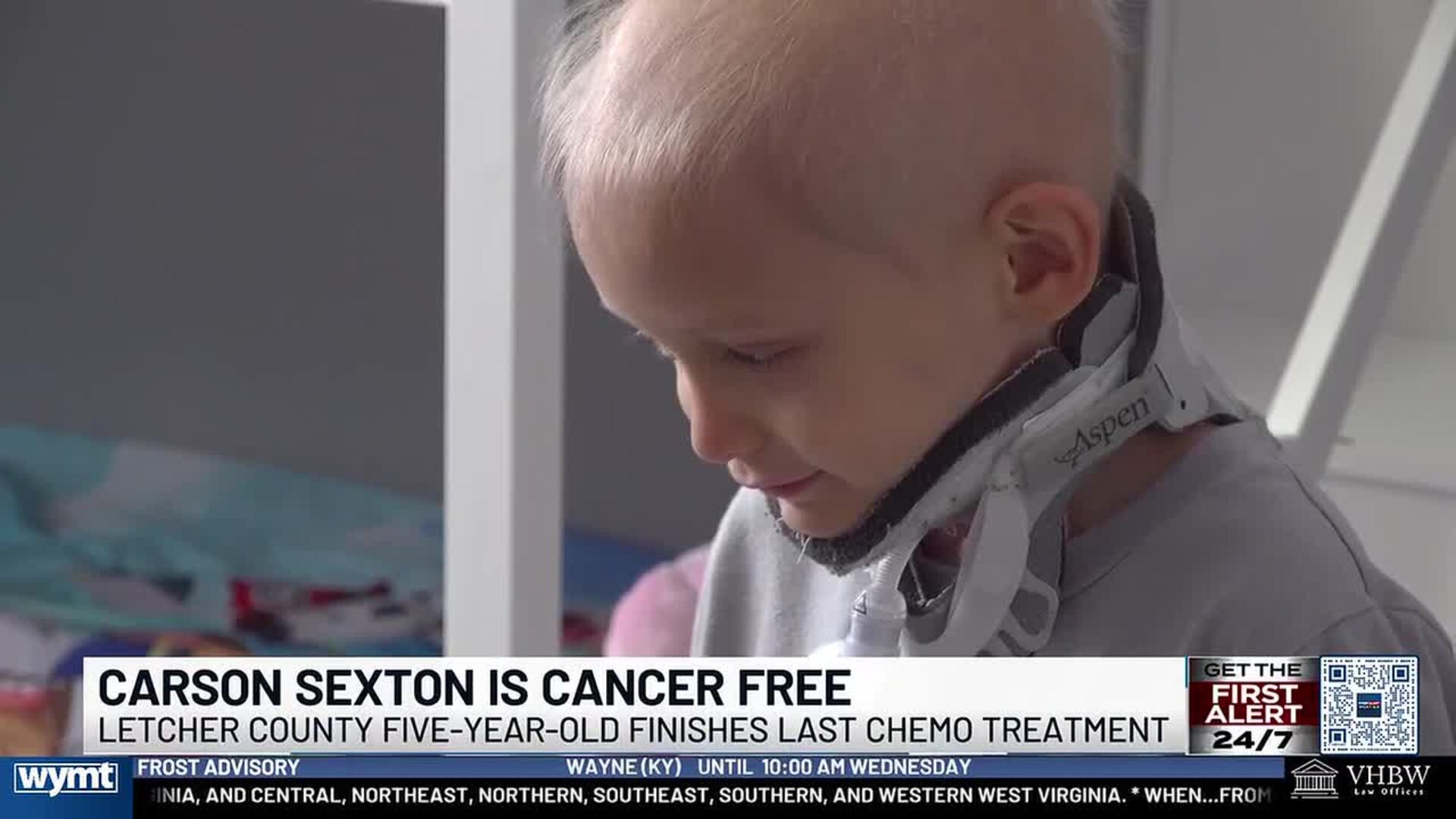
Two-year-old Cruz Anguiano, who spent a year battling stage 4 Neuroblastoma, was celebrated by a plane full of strangers on his flight home to California after being declared cancer-free, with passengers writing notes of love and encouragement that left his family and millions of online viewers moved to tears. Cruz's mother shared that the little boy told the cabin: "I'm strong. They're talking about me — I'm strong."
The story, which went viral across social media in April 2026, captured the hearts of people around the world and shone a powerful spotlight on the realities of childhood cancer — and on the extraordinary capacity for human kindness that can emerge in the most unexpected places.
Background
Cruz's battle with Stage 4 Neuroblastoma began in July 2025, when the San Diego toddler was diagnosed with one of the most aggressive forms of childhood cancer. Neuroblastoma is the most common cancer in infants and one of the most common solid tumours in early childhood, typically affecting children under the age of five. Stage 4 indicates that the cancer has metastasised — spread to distant parts of the body, including bone, bone marrow, liver, and lymph nodes — making it among the most challenging diagnoses in paediatric oncology.
Cruz's treatment was extensive and arduous. Multiple rounds of chemotherapy were administered in San Diego, but for more specialised care, his family travelled to Memorial Sloan Kettering Cancer Center in New York, where he underwent surgery and further treatments. What was initially planned as a three-week trip became a months-long stay due to complications. The family's journey — the flights, the accommodation, the time away from home — was made possible in part by Children's Flight of Hope, an organisation that assists children needing to travel for medical care.
On 9 January 2026, the Anguiano family received the news they had prayed for: Cruz was cancer-free. He is scheduled to continue with immunotherapy in San Diego to minimise the risk of recurrence.
Key Developments
The family's Southwest Airlines flight home from New York to California became the scene of an unforgettable celebration. Flight attendant Carolyn Gallagher made an announcement to all 160 passengers, introducing Cruz as a "young hero" who had just beaten cancer. The cabin erupted in applause. Gallagher and the crew then distributed napkins and invited every passenger to write a message of hope and encouragement for Cruz and his family. Nearly every passenger participated, writing heartfelt notes, drawing pictures, and sharing their own stories of battling illness.
Cruz's mother, Elisa, read the messages to him. His response — "I'm strong. They're talking about me — I'm strong" — was shared on social media and viewed by millions. The story was picked up by major news outlets including The Washington Post, Fox News, and The Indian Express, and generated an outpouring of support from around the world.
Why It Matters
Stories like Cruz's matter for reasons that go beyond their immediate emotional impact. They put a human face on the statistics of childhood cancer — a disease that affects thousands of families every year and demands extraordinary courage from children who are barely old enough to understand what is happening to them. Cruz's story is a reminder that behind every waiting list figure, every clinical trial, and every fundraising appeal, there is a child and a family fighting for their life.
The spontaneous act of kindness from 160 strangers on a Southwest Airlines flight also speaks to something important about human nature. In an era of division and cynicism, the image of an entire plane writing notes of love for a two-year-old they had never met offers a counterpoint — evidence that compassion and solidarity remain powerful forces in the world.
Local Impact
Childhood cancer affects families across the United Kingdom every year. According to Cancer Research UK, around 1,900 children and young people under the age of 15 are diagnosed with cancer in the UK annually. Neuroblastoma accounts for approximately 8% of childhood cancers, and while survival rates have improved significantly in recent decades, Stage 4 diagnoses remain among the most challenging to treat.
Charities including the Children's Cancer and Leukaemia Group, CLIC Sargent, and the Neuroblastoma UK charity provide vital support to affected families across Britain, funding research and offering practical assistance to those navigating the healthcare system. Cruz's story has prompted renewed interest in these organisations and in the broader cause of childhood cancer research.
What's Next
Cruz continues his immunotherapy treatment in San Diego and is reported to be doing well. His story has been covered extensively by The Washington Post and LiveNOW from FOX. Families wishing to support childhood cancer research in the UK can find information through Cancer Research UK and the Neuroblastoma UK charity.