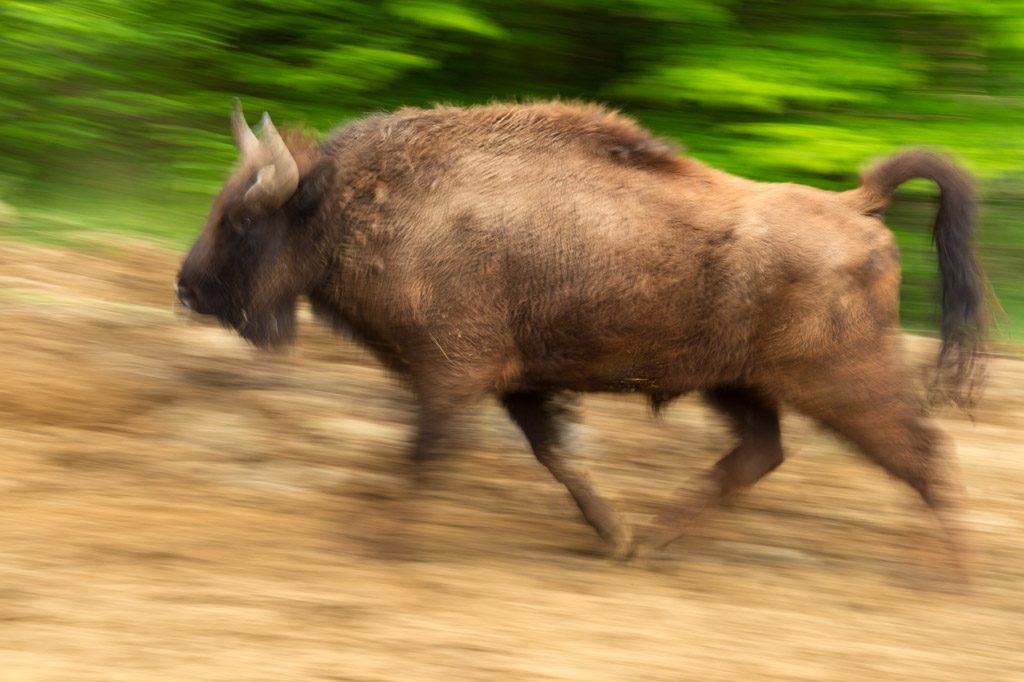
European Bison Makes Remarkable Comeback from the Brink of Extinction
The European bison, once hunted to extinction in the wild by the early 20th century, is making a remarkable comeback through decades of coordinated breeding and reintroduction programmes, with wild populations now re-established in Poland, Belarus, Romania, Germany, and beyond. Conservation organisations say the bison's return is one of the most inspiring wildlife recovery stories of the modern era and proof that rewilding works.
As of the end of 2024, the total population of European bison stands at approximately 12,209 individuals — a staggering recovery for a species that was reduced to just 12 animals in captivity by 1927, when the last wild bison was shot in the Białowieża Forest. The population is showing healthy growth, with an increase of 8.4% in the last year alone.
Background
The European bison, or wisent, was once the largest land mammal in Europe, roaming the continent's forests from the British Isles to the Caucasus. Centuries of hunting, habitat loss, and the disruption of two world wars drove the species to the brink of oblivion. By 1927, the last wild individual had been killed, and the entire species survived only in zoos and private collections — a total of just 12 animals, all descended from a handful of captive individuals.
The recovery that followed is one of conservation's great success stories. A coordinated international breeding programme, managed through the European Bison Conservation Center and the IUCN SSC Bison Specialist Group, gradually rebuilt the captive population. Reintroduction to the wild began in the Białowieża Forest — the ancient woodland straddling the border of Poland and Belarus — in the 1950s, and has since expanded to dozens of sites across the continent.
Today, free-ranging herds exist in Poland, Belarus, Romania, Bulgaria, Germany, Lithuania, Switzerland, France, Spain, and Portugal. The Białowieża Forest remains the species' most important stronghold, hosting the largest single population. Rewilding Europe, WWF, and a network of national conservation organisations have been instrumental in driving the expansion of reintroduction programmes across the continent.
Key Developments
The most recent population census, conducted at the end of 2024, recorded 9,762 free-ranging bison in the wild, 1,725 in enclosures, and 722 in semi-wild conditions — a total of 12,209 individuals. The 8.4% annual growth rate is a testament to the effectiveness of the reintroduction programmes and the quality of the habitats into which bison have been released.
In the United Kingdom, the Wilder Blean project in Kent — a partnership between the Kent Wildlife Trust and the Wildwood Trust — has reintroduced a small herd of bison into a large woodland area. The project uses bison as "ecosystem engineers" to restore natural woodland habitat through their grazing, wallowing, and bark-stripping behaviour. In 2022, the first wild bison calf was born in the UK for thousands of years, marking a milestone in British rewilding history.
Why It Matters
The European bison's comeback is more than a conservation success story — it is a demonstration of what is possible when science, political will, and sustained investment are combined in service of a clear goal. At a time when biodiversity loss is accelerating globally, with species disappearing at rates not seen since the mass extinction events of prehistory, the bison's recovery offers a powerful counterpoint: proof that extinction is not inevitable, and that with sufficient commitment, even the most desperate situations can be reversed.
The bison's role as an ecosystem engineer adds another dimension to its significance. By grazing, wallowing, and stripping bark from trees, bison create diverse habitats that benefit hundreds of other species — from insects and birds to fungi and wildflowers. Their return to European forests is not just about one species; it is about the restoration of entire ecological communities that have been impoverished by centuries of human activity.
Local Impact
The UK's growing rewilding movement has drawn inspiration from the European bison's continental comeback. The Wilder Blean project in Kent is the most prominent example of bison reintroduction in Britain, but it is part of a broader wave of rewilding initiatives that are transforming degraded landscapes across England, Scotland, and Wales. In Northern Ireland, rewilding projects are at an earlier stage, but there is growing interest in the potential for large herbivores to restore the province's upland and woodland habitats.
The bison story also resonates with the broader public debate about humanity's relationship with the natural world. In an era of climate anxiety and ecological grief, stories of recovery and resilience offer something genuinely valuable: hope, grounded in evidence, that the damage we have done to the natural world is not irreversible.
What's Next
Conservation organisations are working to expand the range of European bison across the continent, with new reintroduction projects planned in France, Spain, and Portugal. Challenges remain, including the species' narrow genetic base and the potential for human-wildlife conflict as populations grow. Full information about the European bison's recovery is available from Rewilding Europe. Details of the UK's Wilder Blean project can be found at Kent Wildlife Trust.