Phoenix Park Deer Cull Debate Intensifies as Conservationists Call for Herd Reduction to Aid Nature Restoration
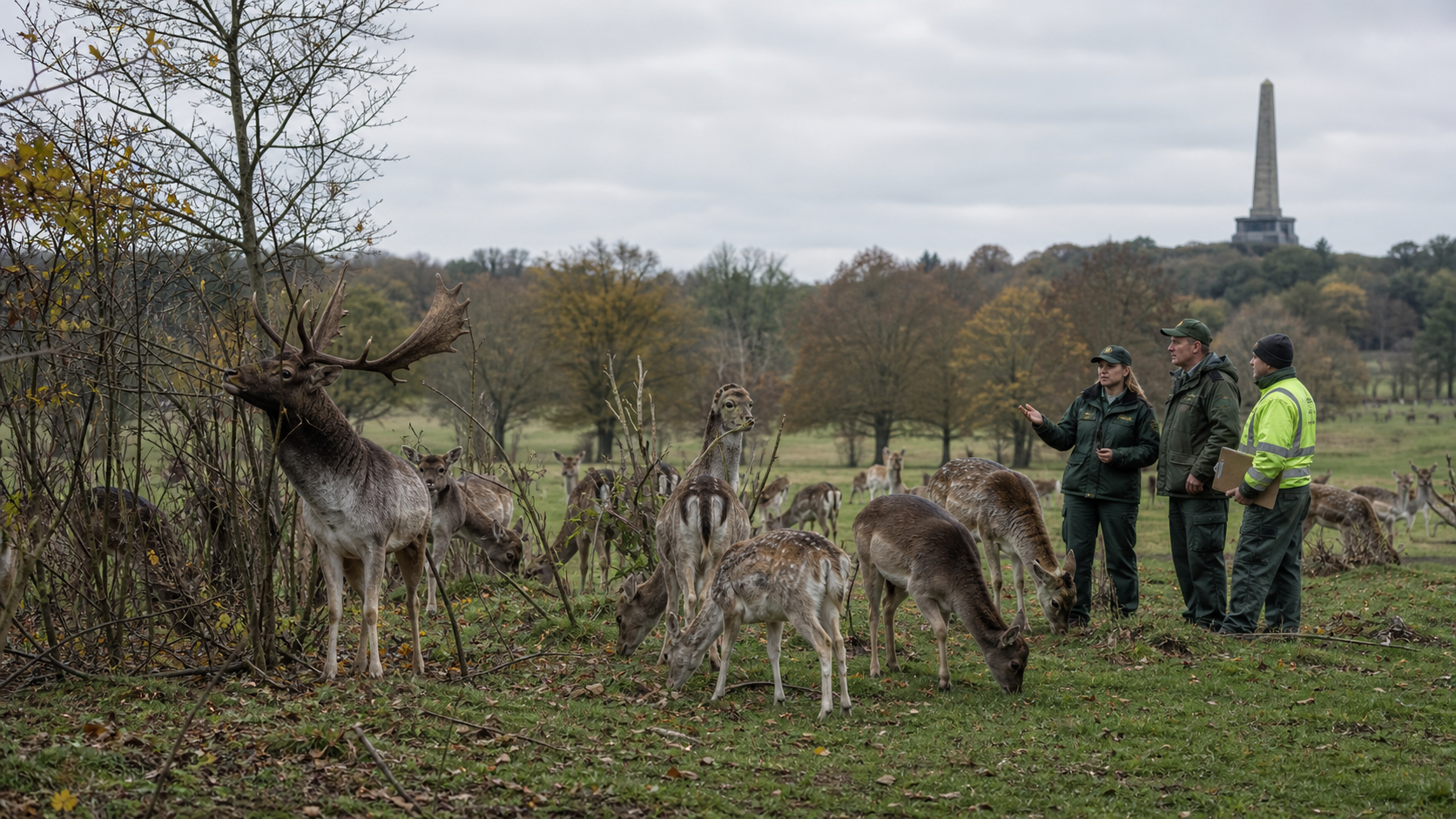
The management of the fallow deer herd in Dublin's Phoenix Park has become a focal point in Ireland's broader conservation debate, with the Irish Wildlife Trust and other environmental advocates calling for a significant reduction in the 600-strong herd to allow the regeneration of woodland and meadow habitats, while the Office of Public Works insists that the current culling regime is both necessary and appropriate.
Background
The fallow deer of the Phoenix Park are one of the most recognisable features of Dublin's largest public space. The herd, which has been present in the park since its establishment as a royal hunting ground in the 1660s, has become an iconic element of the park's identity and a major draw for the millions of visitors who pass through its gates each year. For many Dubliners, the sight of deer grazing in the park's open meadows is as much a part of the city's character as the Wellington Monument or the Papal Cross.
The management of the herd has always required active intervention. Because the deer have no natural predators in Ireland, their population would grow unchecked without human management. The OPW has historically used annual culling as the primary tool for population control, working in collaboration with the Department of Agriculture, the National Parks and Wildlife Service, and academic experts from University College Dublin. The culls are conducted under veterinary supervision and in accordance with NPWS licences, with carcasses removed by authorised game dealers and the revenue returned to the exchequer.
The current herd size of approximately 600 animals is the result of this management regime, which aims to maintain a population that is sustainable in terms of both animal welfare and the park's ecological capacity. The OPW has consistently maintained that the deer are an integral part of the park's heritage and that it has no intention of removing them.
Key Developments
The Irish Wildlife Trust has argued that the current herd size is too large to allow the Phoenix Park to fulfil its potential as a flagship for urban nature restoration. The Trust's representatives have pointed to the impact of deer grazing on woodland regeneration, noting that the animals' browsing prevents the establishment of new trees and shrubs in areas where the park's management plan envisages habitat improvement. They have called for the herd to be significantly reduced — potentially to fewer than 200 animals — to allow the park's woodland and meadow habitats to recover.
The OPW has responded by defending the current management approach, noting that the culling regime is designed to maintain a population that is ecologically sustainable and that the deer's grazing does play a role in maintaining the open grassland habitats that are themselves of biodiversity value. The OPW has also noted that alternatives to culling — including contraception and relocation — have been reviewed and found to be unsuitable for the Phoenix Park due to technical, legal, and welfare-related challenges.
The debate has been given additional urgency by Ireland's new biodiversity legislation, which places new obligations on public bodies to promote the recovery of biodiversity on lands under their management. The Phoenix Park, as one of the largest areas of public open space in the country, is seen as having a particular responsibility in this regard.
Why It Matters
The Phoenix Park deer debate is a microcosm of a much larger conversation about how Ireland manages its natural heritage in an era of biodiversity crisis and climate change. The park covers 1,752 acres in the heart of Dublin — an extraordinary resource in one of Europe's most densely populated capital cities. How that resource is managed has implications not just for the deer and the other wildlife that inhabit the park, but for the millions of people who use it as a place of recreation, reflection, and connection with the natural world.
The tension between heritage preservation and ecological restoration is not unique to the Phoenix Park — it is a challenge facing land managers across Ireland and Europe. The deer are part of the park's heritage, but so are the ancient oaks and the wildflower meadows that their grazing prevents from regenerating. Finding the right balance between these competing values requires honest engagement with the evidence and a willingness to make difficult decisions. The current debate suggests that the OPW and the conservation community are not yet in agreement about where that balance lies.
Local Impact
For the residents of the Dublin neighbourhoods that border the Phoenix Park — Castleknock, Cabra, Chapelizod, Islandbridge, and Parkgate Street — the deer are a daily presence and a source of genuine affection. The prospect of a significant reduction in the herd size has been met with concern by many local residents, who value the deer as part of what makes the park special. The Phoenix Park Visitor Centre, which receives hundreds of thousands of visitors each year, has noted that the deer are consistently cited by visitors as one of the park's most memorable features. Any significant change to the herd management regime would need to be communicated carefully to the public to maintain confidence in the OPW's stewardship of the park.
What's Next
The OPW is expected to publish an updated Phoenix Park Management Plan later this year, which will include a section on deer management and will address the concerns raised by the Irish Wildlife Trust and other conservation groups. The plan is expected to be subject to public consultation, giving residents, visitors, and environmental organisations an opportunity to contribute their views. The Irish Wildlife Trust has indicated it will make a formal submission to the consultation process and will continue to advocate for a more ambitious approach to nature restoration in the park. A decision on any changes to the culling regime is unlikely before 2027.