Gaza Scholarship Students Denied Irish Visas in Decisions Condemned as 'Indefensible'
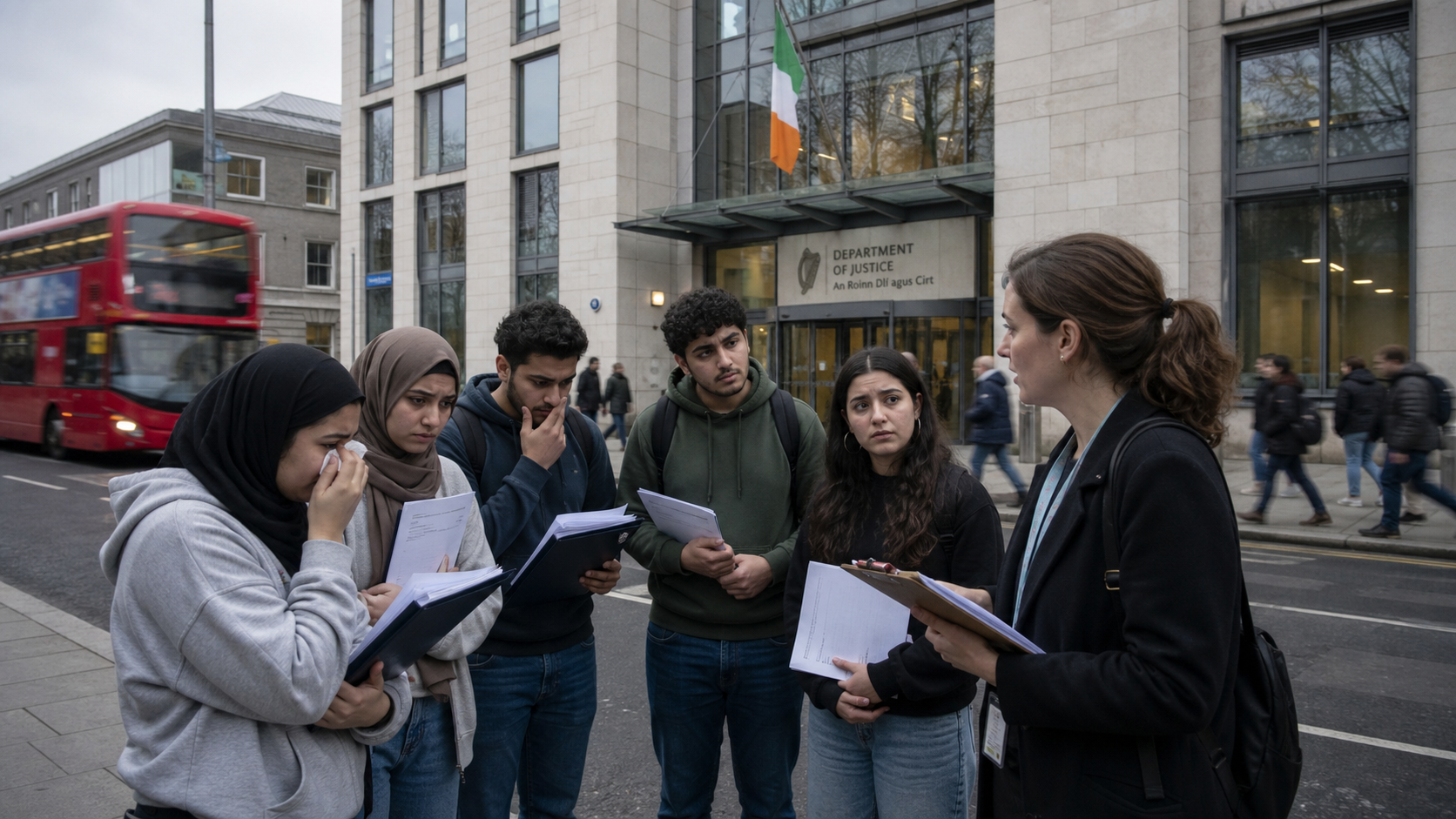
More than half of a cohort of 59 Palestinian students from Gaza who were awarded fully or partially funded scholarships to Irish universities have been refused entry visas by the Department of Justice, according to figures released by the Universities of Sanctuary initiative. The refusal letters cite requirements — including the provision of original bank statements and evidence of an intention to return to Gaza after completing their studies — that advocates, university leaders, and legal experts say are virtually impossible to meet given the destruction of Gaza's postal service, banking infrastructure, and educational institutions. The decisions have been condemned as "indefensible" by Labour Party leader Ivana Bacik and "shocking" by Social Democrats Senator Patricia Stephenson.
Background
The scholarships in question were awarded by a range of Irish higher education institutions, including Trinity College Dublin, University College Dublin, the University of Limerick, and the National College of Art and Design, as part of a broader effort to provide educational pathways for students from conflict zones. The initiative builds on a precedent established in 2025, when approximately 60 to 80 Gazan students were successfully granted visas and evacuated to Ireland to take up similar scholarship places — a process that was widely praised as a model of humanitarian engagement with the education sector.
The contrast between the 2025 experience and the 2026 outcomes has been stark. Where last year's cohort was largely accommodated, this year's applicants have faced a significantly more stringent assessment process, with refusal rates that have alarmed university administrators and advocacy groups. The Department of Justice has maintained that each application is assessed on its individual merits and that there are no special arrangements for Palestinian nationals, a position that critics argue fails to account for the extraordinary circumstances facing applicants from a territory under active military bombardment.
The requirements cited in refusal letters — original bank statements, evidence of employment or educational history, and documentation demonstrating an intention to return to Gaza — reflect standard visa assessment criteria that are entirely reasonable in normal circumstances. In the context of Gaza in 2026, however, where the postal service has been destroyed, banks are largely non-functional, and the concept of "returning" to a territory in the midst of a humanitarian catastrophe is deeply problematic, these requirements amount to an effective bar on entry for most applicants.
Key Developments
The Universities of Sanctuary initiative has reported that at least 31 of the 59 applicants in one cohort were refused, while other reports suggest that as many as 97 students across multiple cohorts have been denied permission to enter the country. The Department of Justice has confirmed that 41 student visas were granted to Palestinian nationals earlier in 2026, but has not provided a breakdown of the total number of applications received or the overall refusal rate.
Senior management at Trinity College Dublin has formally urged the government to review the refusal decisions, emphasising the importance of keeping educational pathways open for students who could eventually contribute to the reconstruction of Gaza. The university's provost has written directly to the Minister for Justice, Helen McEntee, requesting an urgent meeting to discuss the situation. Similar representations have been made by the presidents of UCD and the University of Limerick.
Protests have been held outside the Department of Justice offices in Dublin, organised by student unions and advocacy groups including the Trinity College Boycott, Divest and Sanction movement. The demonstrations have drawn significant public attention and have been covered extensively by Irish and international media, adding to the political pressure on the government to respond.
Why It Matters
Ireland's public position on the conflict in Gaza has been one of the most explicitly pro-Palestinian of any EU member state, with the government recognising Palestinian statehood in May 2024 and consistently calling for a ceasefire and the protection of civilian life. The visa refusals sit in uncomfortable tension with that public stance, creating a perception — whether fair or not — of a gap between Ireland's rhetorical commitment to Palestinian rights and its practical willingness to provide refuge and opportunity to Palestinian individuals.
The broader question of how Ireland's visa system accommodates applicants from conflict zones is one that goes beyond the Palestinian case. The Department of Justice's insistence on standard documentation requirements in circumstances where standard documentation is impossible to obtain reflects a systemic rigidity that has been criticised by refugee and asylum advocates for years. The Palestinian scholarship case has brought this issue into sharp public focus in a way that may prompt a more fundamental review of how the system handles exceptional humanitarian circumstances.
Local Impact
For the Irish universities involved, the visa refusals represent a significant practical and reputational challenge. Scholarship places that have been allocated and funded cannot be filled, academic programmes are disrupted, and the institutions' commitment to international solidarity is called into question. In Dublin, where Trinity and UCD are both located, the student bodies have been vocal in their support for the Palestinian applicants, and the issue has become a focal point for campus activism.
What's Next
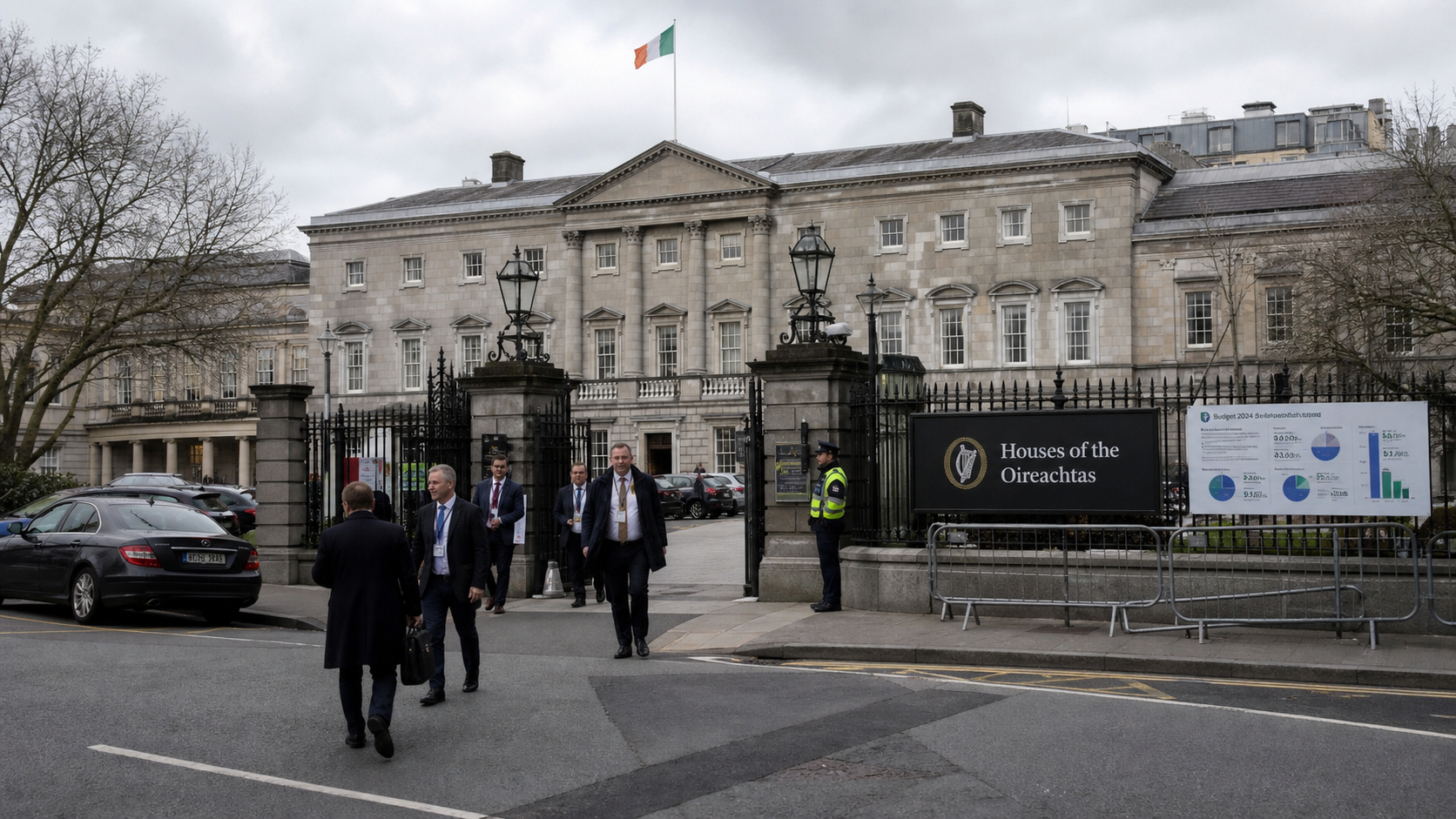
The Department of Justice has indicated that it is working with the Department of Foreign Affairs to manage a coordinated response to the situation. Minister McEntee is expected to address the issue in the Dáil when it returns in September, and there are calls for an emergency Oireachtas committee hearing on the matter before the recess ends. The Universities of Sanctuary initiative has indicated that it will continue to advocate for the affected students and will explore all available legal avenues to challenge the refusal decisions. A judicial review of individual refusal decisions is being considered by some of the affected students' legal representatives.