Over 5,500 Children Now Homeless in Ireland as Crisis Hits Record High
New government figures have confirmed that 5,571 children are currently living in emergency accommodation across Ireland — a 19.1% increase compared to March 2025 and the highest number ever recorded in the history of the State. The data, published by the Department of Housing on Friday, lays bare the scale of a crisis that housing charities have described as "unconscionable" and a symptom of systemic failure stretching back decades.
Background
Ireland's homelessness crisis did not emerge overnight. Its modern roots lie in the aftermath of the 2008 economic crash, when austerity measures, collapsing incomes, and a severe shortage of housing supply combined to push a new demographic — women, children, and families — into housing precarity. What was once associated with older men struggling with addiction has transformed into a crisis engulfing entire families, many of them headed by single parents.
The profile of those affected has shifted dramatically over the past decade. Women now account for over 40% of the adult homeless population, and single-parent families — who make up 57.4% of the 2,659 families currently in emergency accommodation — are disproportionately represented. A 2023 report from Maynooth University, applying the European Typology on Homelessness and Housing Exclusion (ETHOS) framework, estimated the true number of people in housing crisis could be as high as 23,881 — nearly double the official figures, once hidden homelessness such as couch-surfing and severely overcrowded conditions are factored in.
Dublin remains the epicentre of the crisis, with 4,118 children — 74% of the national total — currently without a permanent home in the capital. The concentration reflects the acute pressures of the Dublin rental market, where supply has failed to keep pace with demand for years, and where eviction notices from the private rental sector continue to flow at an alarming rate.
Key Developments
The March 2026 figures represent the latest in a relentless series of record highs. In July 2025, Ireland crossed a grim threshold when the number of homeless children surpassed 5,000 for the first time, reaching 5,014. By November 2025, that figure had climbed to 5,321, part of a total homeless population approaching 17,000. January 2026 saw 5,319 children in emergency accommodation as the overall total breached 17,000 for the first time, reaching 17,112 — a 15.6% increase in child homelessness compared to January 2025.
The latest March 2026 data confirms the trajectory has not reversed. Overall homelessness now stands at 17,517 — a 13.6% increase year-on-year and 209 more than the February 2026 figure. Housing charities have pointed to a 45% rise in eviction notices in recent months, as well as new rental regulations introduced in March 2026 that allow landlords to reset rents to full market rates between tenancies — a measure critics warn could incentivise further evictions.
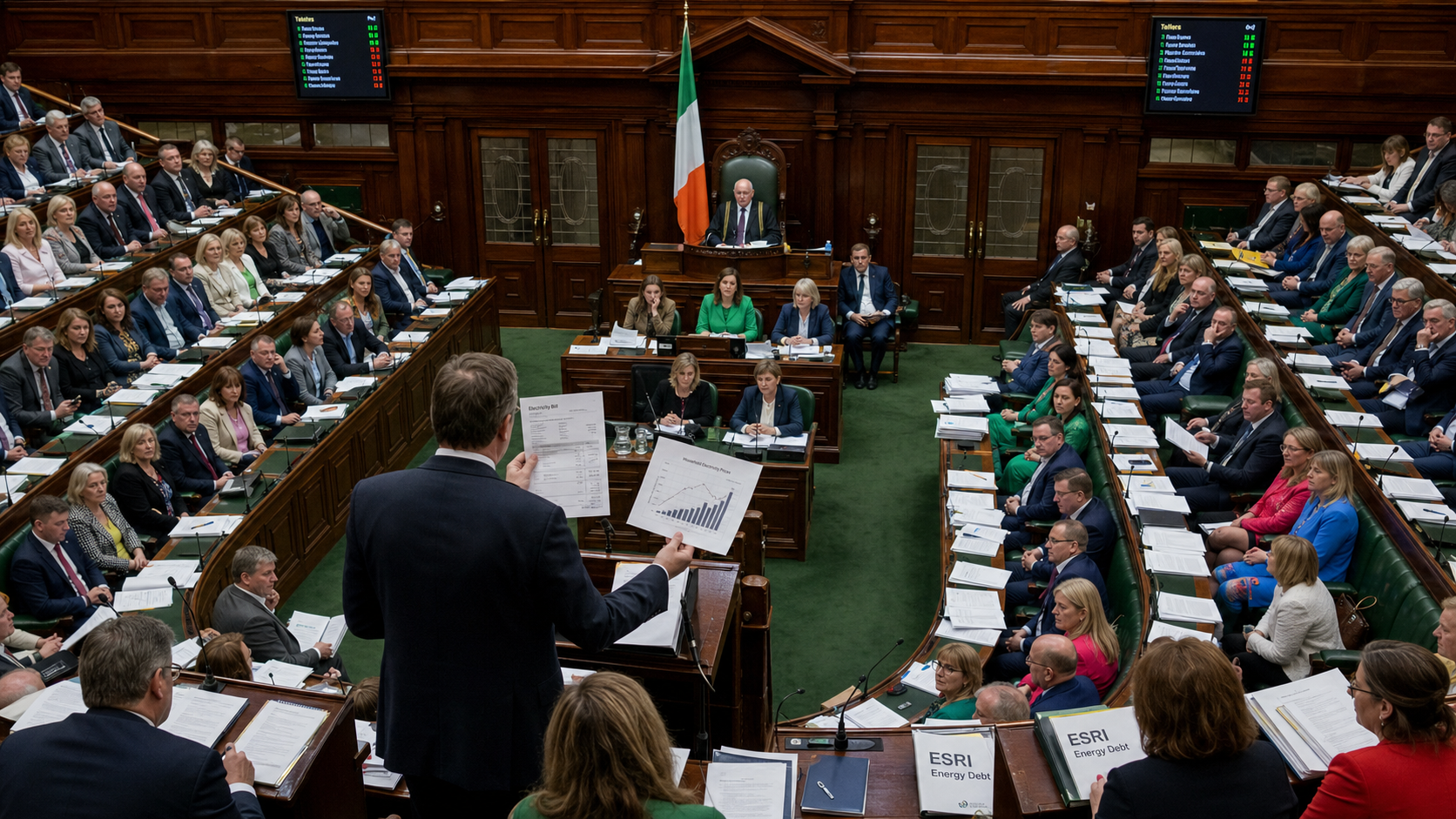
Sinn Féin's housing spokesman Eoin Ó Broin blamed inadequate funding for prevention schemes, pointing to a 66% reduction in social housing acquisitions in 2025 compared to 2024. Labour's housing spokesperson Conor Sheehan described the figures as "the worst ever recorded in the history of the State" and said they should not be considered normal. Tánaiste Simon Harris acknowledged the figures were "far too high," stating: "Any homeless child in particular is something that cannot be accepted."
Why It Matters
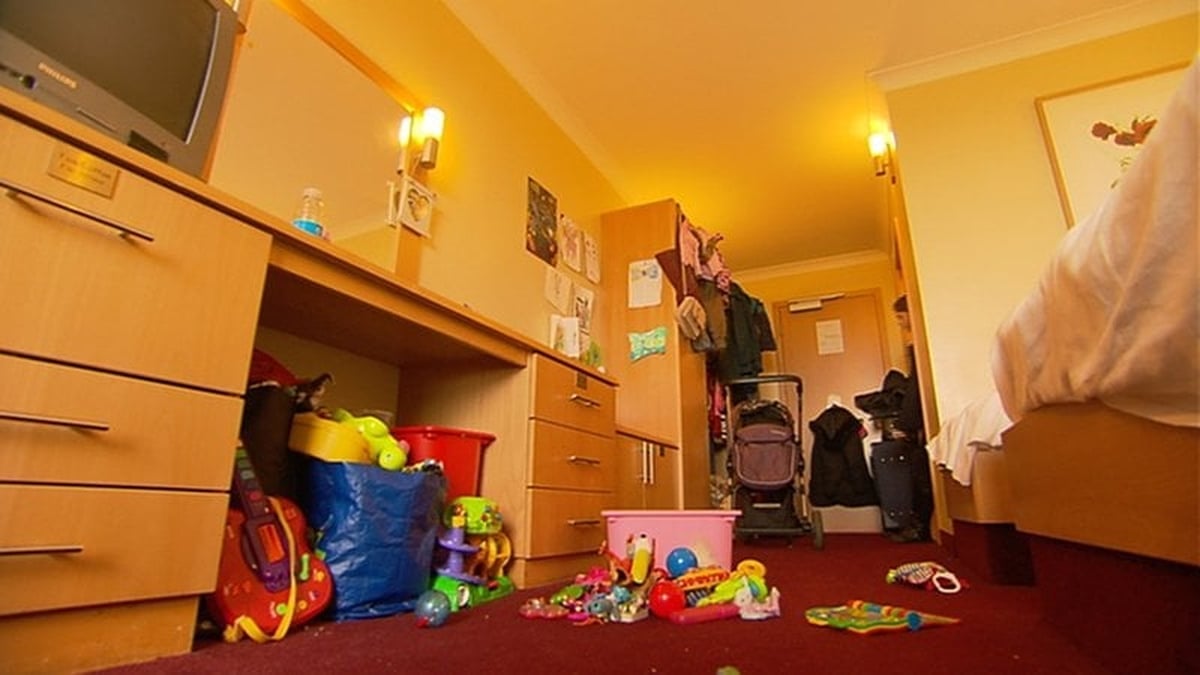
The consequences of child homelessness extend far beyond the immediate trauma of living in a hotel or bed-and-breakfast. Research consistently shows that children who experience homelessness face significantly higher risks of developmental delays, poor educational outcomes, mental health difficulties, and long-term social disadvantage. For the 5,571 children currently without a stable home, the damage being done is not merely statistical — it is generational.
The Simon Communities of Ireland have warned against the "normalisation" of the crisis. Executive Director Ber Grogan described the situation as "unconscionable," adding: "What we're hearing from people with lived experience is harrowing." Focus Ireland has called for a fundamental shift in strategy, with Chief Executive Pat Dennigan stating: "The plans that have been in place up until now haven't worked." The charity has urged the government to prioritise its five-point plan to end child homelessness, including a greater focus on prevention and the rapid rehousing of families who have been in emergency accommodation the longest. As the Irish Times reported, the scale of the increase has shocked even seasoned housing advocates.
Local Impact
While the crisis is national in scope, its effects are felt acutely across the island of Ireland, including in Northern Ireland, where housing pressures and rising rents have similarly strained social housing provision. Cross-border housing advocacy groups have noted that the Republic's crisis has knock-on effects for communities in border counties, where families displaced from Dublin and other urban centres sometimes seek accommodation. The Irish government's commitment of €100 million in 2026 to purchase second-hand homes for families who have been longest in emergency accommodation is a welcome step, but housing charities warn it falls far short of what is needed to address the structural deficit. New legislation requiring housing decisions for homeless families to consider the best interests of the child has also been welcomed, though advocates stress that legislative intent must be matched by delivery on the ground. As RTÉ News reported, the figures have prompted renewed calls for emergency intervention.
What's Next
The government has confirmed it is developing a Child and Family Homelessness Action Plan, expected before the summer recess, as part of its broader "Delivering Homes, Building Communities" strategy for 2025–2030. The plan targets the delivery of over 300,000 new homes by the end of the decade, including 72,000 social homes at a rate of 12,000 annually. Whether those targets can be met — and whether they will come quickly enough for the thousands of children currently living in emergency accommodation — remains the defining question of Irish housing policy. With no signs of the numbers reversing, the pressure on government to move from strategy to delivery has never been more urgent.