Over 4,500 Fish Dead in Cavan Town River as Multi-Agency Investigation Launched
More than 4,500 fish have been found dead along a two-kilometre stretch of the Cavan Town River in one of the most significant ecological incidents recorded in the county in recent years, prompting a multi-agency investigation that is examining potential pollution sources while the cause of the mass mortality remains officially undetermined.
Background
The Cavan Town River, which flows through the county town and into the broader Erne catchment, is a designated salmonid river that supports populations of brown trout, European eel, roach, lamprey, minnow, and freshwater crayfish. The river has historically been an important recreational fishing resource for the local community and has been the subject of ongoing conservation efforts by Inland Fisheries Ireland and local angling clubs.
Fish kills in Irish rivers are not uncommon, but the scale of this incident — over 4,500 fish across a two-kilometre stretch — places it among the more serious ecological events recorded in the Ulster region in recent years. The diversity of species affected, which includes the protected European eel and freshwater crayfish, suggests that the causative agent, whatever it proves to be, had a broad and severe impact on the river's aquatic ecosystem.
Ireland has a national interagency protocol for responding to significant fish kills, which was activated in this case. The protocol brings together Inland Fisheries Ireland as the lead agency with the Environmental Protection Agency, local authorities, the Marine Institute, and the National Parks and Wildlife Service to coordinate the investigation and response.
Key Developments
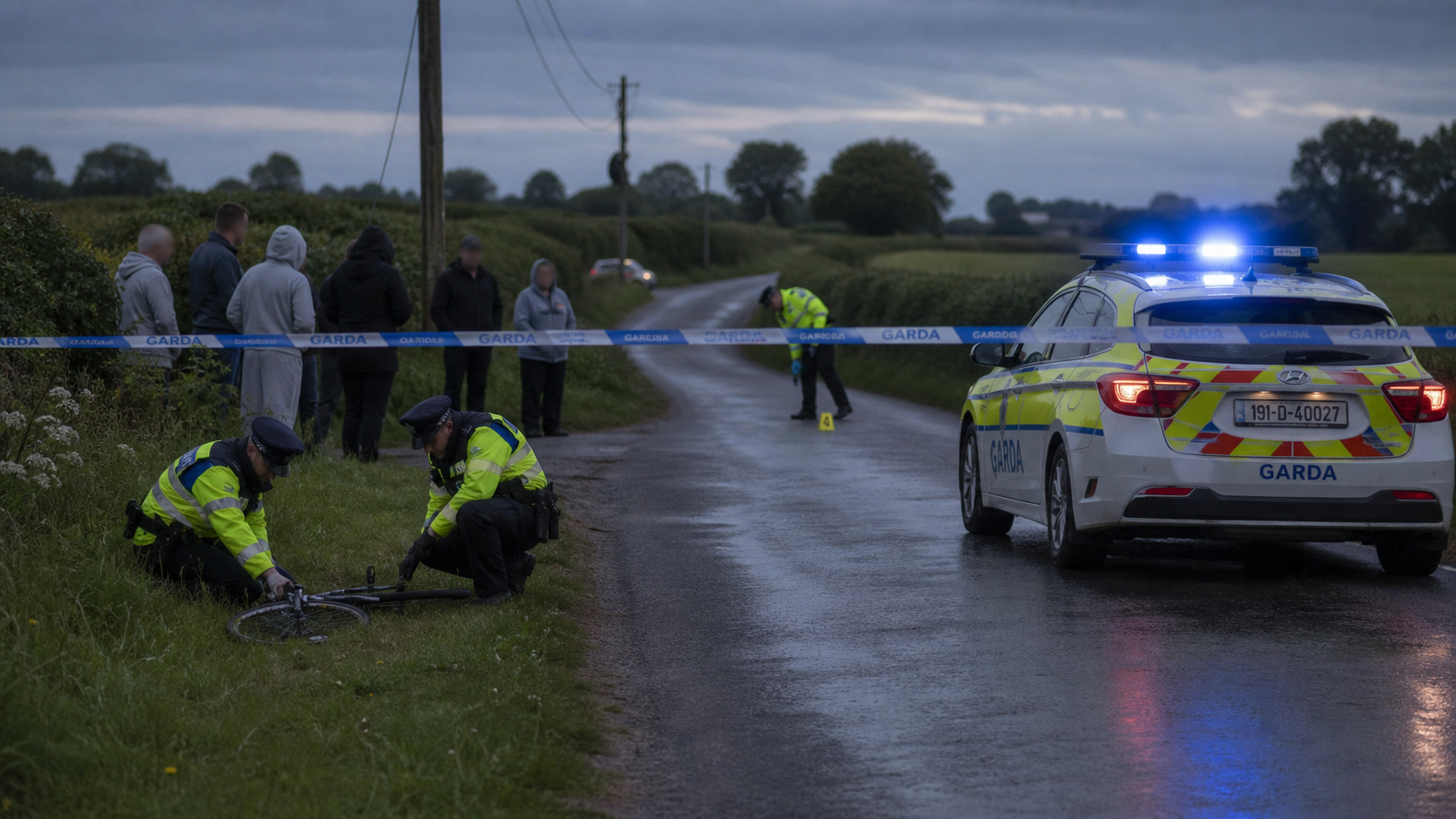
Inland Fisheries Ireland received a report via its confidential hotline on the night of Tuesday, 28 July 2026. Officers arrived at the site on the morning of Wednesday, 29 July, and observed a large number of dead fish spanning a two-kilometre section of the waterway. The affected species included brown trout, European eel, roach, lamprey, minnow, and freshwater crayfish.
An interagency group met on Wednesday, 29 July, to coordinate the investigation, with representatives from Cavan County Council, the EPA, the Marine Institute, and the National Parks and Wildlife Service all participating. Water samples have been taken from multiple points along the affected stretch, and the results are being analysed by the Marine Institute's laboratory.
As of 30 July, officials stated that it was too early to definitively establish the cause of the event. IFI has appealed to the public to report any information regarding the incident, or other concerns such as water pollution, habitat destruction, or illegal fishing, to its 24-hour confidential hotline at 0818 34 74 24. The agency has also asked anyone who observed unusual activity near the river in the days before the fish kill was reported to come forward.
Why It Matters
Fish kills of this scale represent a serious setback for river ecosystems that can take years to recover. The Cavan Town River's brown trout population, in particular, is likely to have been significantly depleted, with implications for the river's ecological status and its value as a recreational fishing resource. The presence of European eel among the casualties is particularly concerning, as the species is classified as critically endangered across its range and is the subject of specific conservation measures under EU law. The incident also raises questions about the adequacy of monitoring arrangements for private water supplies and agricultural drainage in the Cavan Town River catchment, where diffuse pollution from farming activities has been identified as a risk factor in previous water quality assessments.
Local Impact
For the Cavan angling community, the fish kill is a devastating blow. The Cavan Town River and its tributaries are popular with local anglers, and the loss of over 4,500 fish will significantly reduce the quality of fishing in the area for the foreseeable future. Local angling clubs have been in contact with IFI to discuss the implications for the upcoming fishing season and to explore what restocking measures might be appropriate once the cause of the kill has been established. Cavan County Council has confirmed that it is cooperating fully with the investigation and has deployed its environmental officers to assist with the monitoring of the affected stretch.
What's Next
The results of the water sample analysis are expected within the next week, and IFI has indicated that it will publish a preliminary report on the incident once the laboratory results are available. If a specific pollution source is identified, the relevant regulatory authorities will consider enforcement action. IFI has confirmed that it will assess the need for restocking once the investigation is complete and the river's water quality has been confirmed as safe for fish. A full ecological survey of the affected stretch is planned for the autumn.