100,000 Public Sector Workers Begin Work-to-Rule as Pay Dispute Heads Toward October Strikes
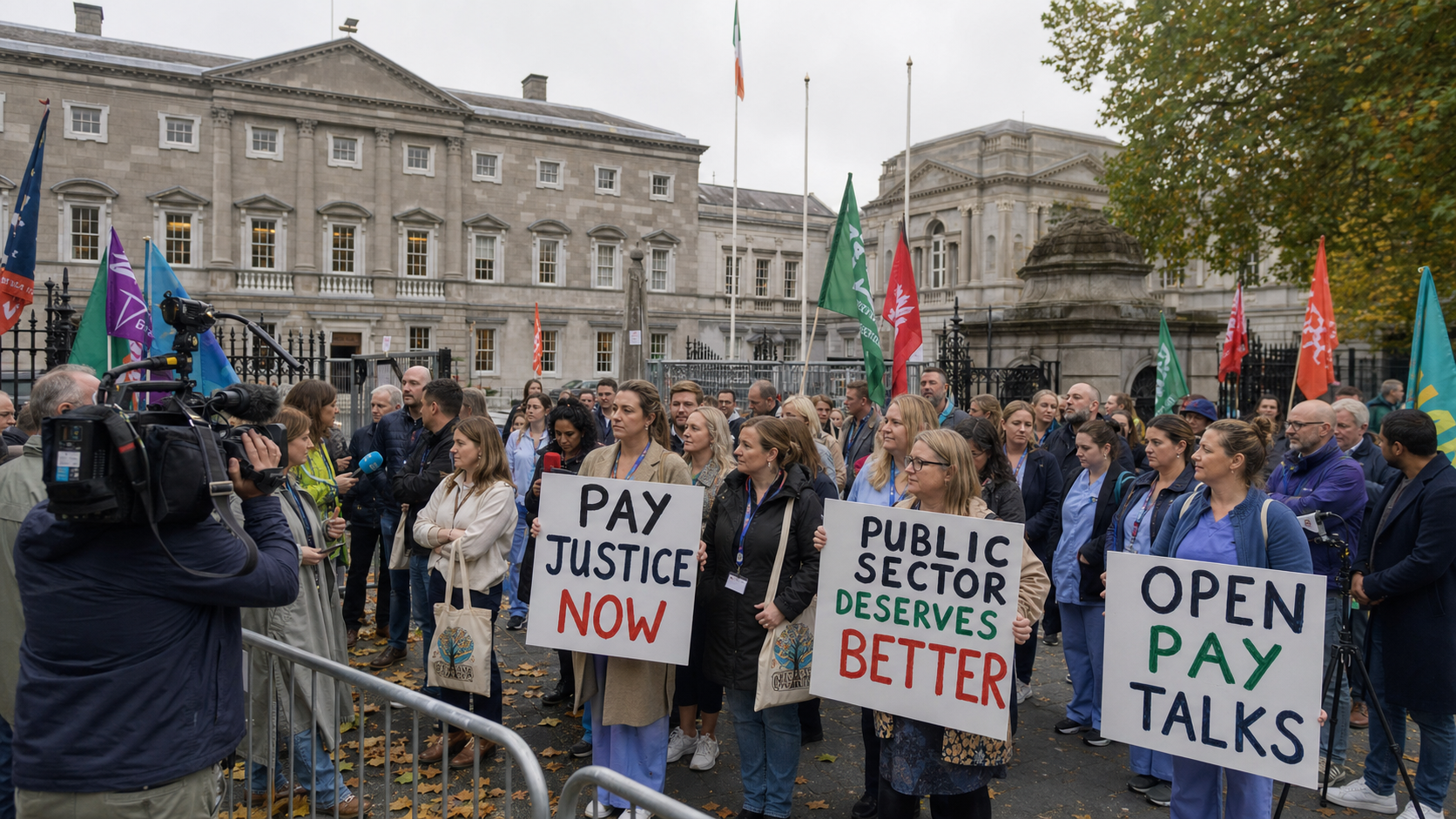
More than 100,000 public sector workers across Ireland commenced a work-to-rule and withdrawal of goodwill on Wednesday, marking the opening salvo in an escalating pay dispute that has already secured near-unanimous support from teachers' unions and threatens to disrupt public services across the country, with nationwide 24-hour strikes planned for October 14 and October 21 if the government fails to open formal negotiations on a successor pay agreement.
Background
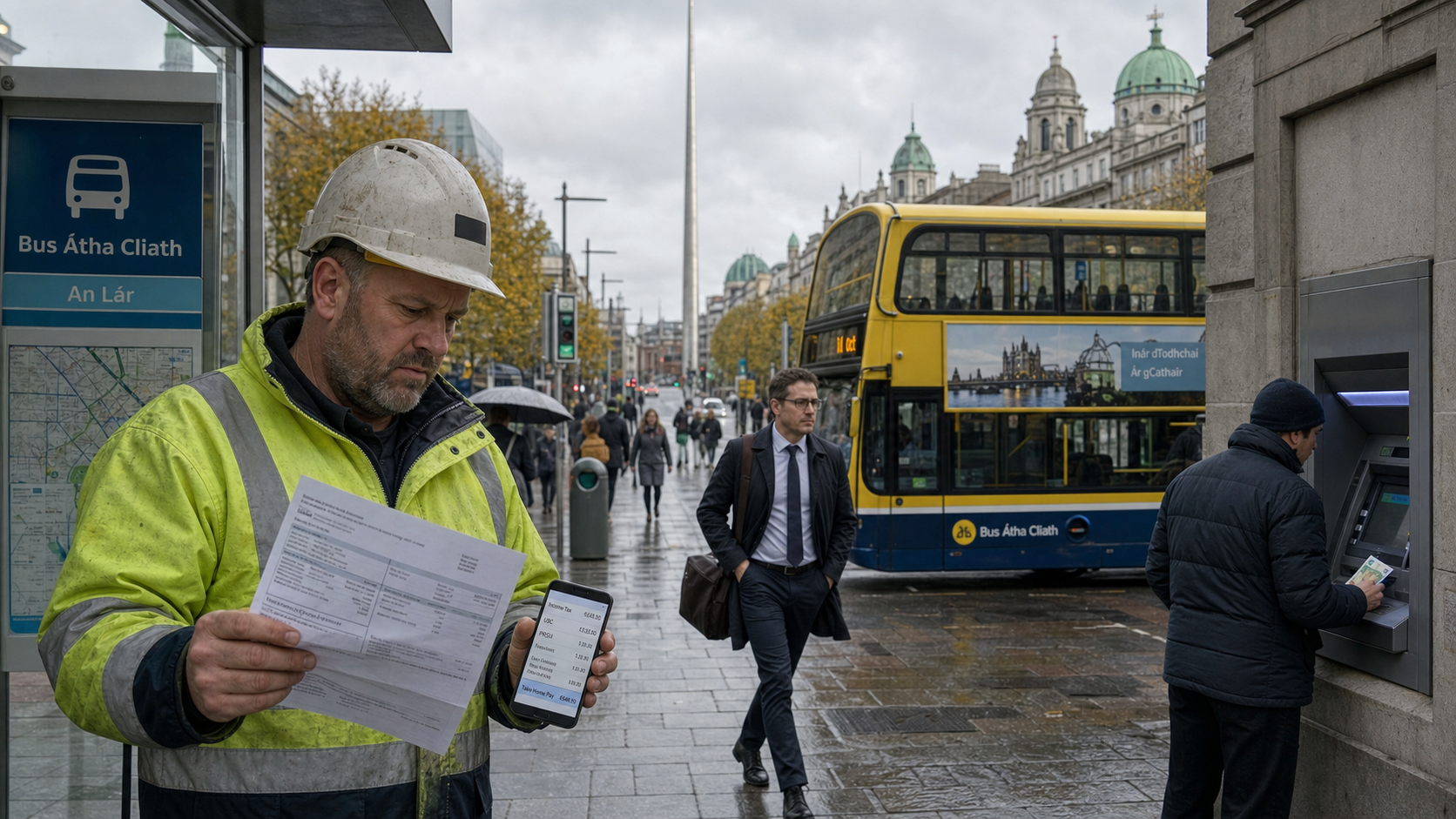
The current dispute has its roots in the expiry of the previous public service pay agreement on June 30, 2026. In the months that followed, the Public Services Committee of the Irish Congress of Trade Unions (ICTU), chaired by Fórsa General Secretary Kevin Callinan, sought to open formal negotiations with the government on a successor agreement. When those efforts failed to produce a credible negotiating process, the unions began the process of balloting their members for industrial action.
The results of those ballots have been striking in their consistency. The Irish National Teachers' Organisation (INTO) reported a 99.5% vote in favour of action — a figure that reflects the depth of frustration among primary school teachers about pay levels, recruitment difficulties, and the cost of living. The Association of Secondary Teachers in Ireland (ASTI) reported 95% support, while the Teachers' Union of Ireland (TUI) recorded over 98% in favour. These are not the kind of margins that suggest a dispute that can be resolved with minor concessions; they indicate a workforce that feels genuinely aggrieved and is prepared to take sustained action.
SIPTU members across local authorities and state agencies, as well as health workers represented by SIPTU and Fórsa, joined the work-to-rule on Wednesday. The Psychiatric Nurses Association (PNA) has announced that its members will commence a work-to-rule from October 1. The breadth of the action — spanning teachers, nurses, local authority workers, and state agency employees — reflects the extent to which pay grievances have accumulated across the public sector.
Key Developments
The work-to-rule that began on Wednesday involves workers operating strictly within their contractual obligations, ceasing cooperation with non-statutory initiatives and change programmes, and withdrawing the goodwill that typically allows public services to function beyond their formal requirements. In practical terms, this means that overtime will not be worked, additional duties will not be undertaken, and the informal flexibility that managers rely on to keep services running will be withdrawn.
The unions have scheduled two 24-hour nationwide work stoppages — on October 14 and October 21 — if the dispute remains unresolved. These strikes would affect schools, hospitals, local authority services, and a wide range of state agencies, with the potential for significant disruption to public services across the country. Teachers' unions have indicated that their work-to-rule will begin on October 5, adding a further layer of pressure on the government in the days before Budget 2027 on October 6.
The Department of Public Expenditure expressed disappointment at the unions' decision to proceed with industrial action, calling on both parties to return to the negotiating table without preconditions. The government has argued that it has been willing to engage in discussions but that the unions have set preconditions that make meaningful negotiation impossible. The unions dispute this characterisation, arguing that the government has failed to make a credible offer that addresses the fundamental pay gap between public and private sector workers.
Why It Matters
The public sector pay dispute matters because it arrives at a moment of significant fiscal and political sensitivity. Budget 2027 is scheduled for October 6, and the government is under pressure to deliver a package that addresses the cost of living without fuelling inflation. The prospect of public sector strikes in the weeks immediately following the budget will complicate the political narrative and could undermine the government's ability to present the budget as a positive turning point. More fundamentally, the dispute reflects a genuine tension between the government's desire to maintain fiscal discipline and the reality that public sector workers — particularly teachers and nurses — have seen their real wages eroded by inflation over the past several years.
The timing is also significant in the context of the Drumcree crisis. The government is already managing a major political emergency in Northern Ireland, and the addition of a public sector pay dispute creates a further drain on ministerial attention and political capital. The risk is that neither crisis receives the focused attention it requires, leading to a deterioration in both situations.
Local Impact
The work-to-rule will be felt across every county in Ireland. In Dublin, local authority workers will operate strictly within their contractual hours, potentially affecting planning, housing, and environmental services. In Cork, Galway, and Limerick, school principals have warned that the withdrawal of goodwill will affect after-school activities, parent-teacher meetings, and the informal support that teachers typically provide beyond their contracted hours. HSE services will be affected by the health workers' action, with managers warned not to expect the overtime and flexibility that normally allows hospitals and community health services to manage demand. Bus Éireann and Irish Rail services are not directly affected by the current action, but the unions have indicated that transport workers could be drawn into the dispute if it escalates.
What's Next
The government has until October 14 to open credible negotiations or face the first of the planned 24-hour strikes. The Workplace Relations Commission has been identified as a potential venue for talks, and there is speculation that the government may make a pre-budget announcement on public sector pay in an attempt to de-escalate the dispute. Teachers' unions will begin their work-to-rule on October 5, one day before Budget 2027. The PNA's work-to-rule begins on October 1. If the October 14 strike proceeds, it will be the largest public sector work stoppage in Ireland since the financial crisis era.