Omagh Inquiry Resumes: Forensic Evidence and Garda Testimony to Shed New Light on 1998 Atrocity
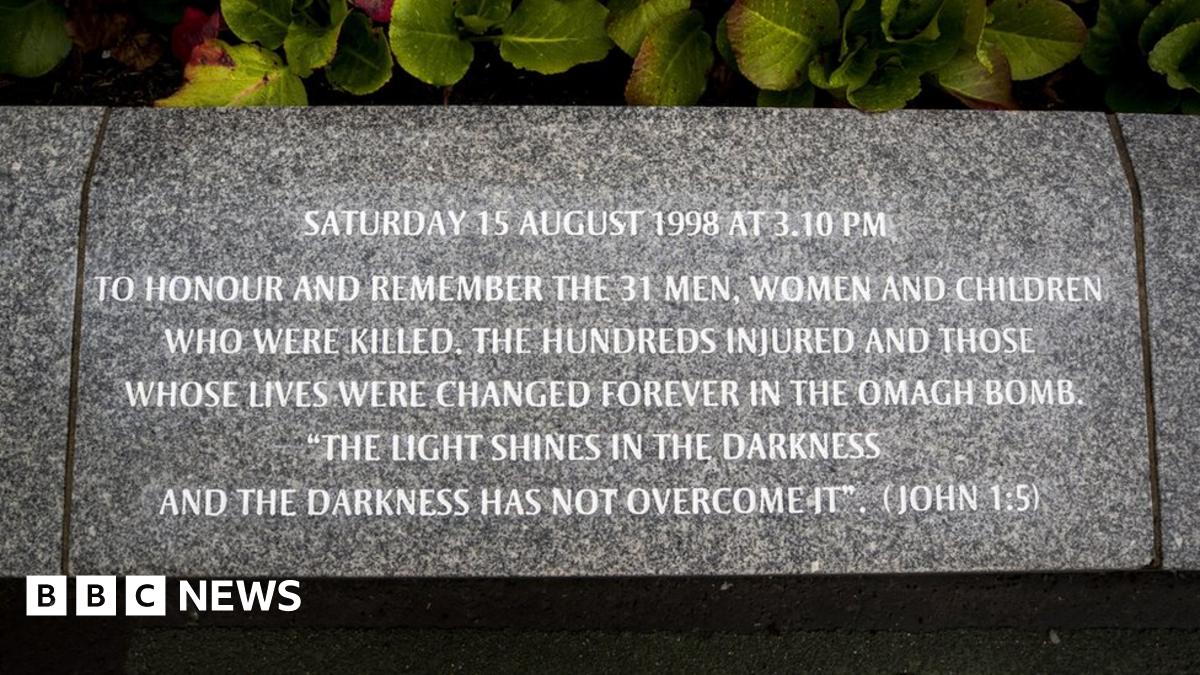
The Omagh Bombing Inquiry resumed in Belfast on Monday after a six-month delay, entering what its chair Lord Turnbull described as the most forensically intensive phase of the proceedings to date — a four-week examination of the planning, logistics, and warning calls surrounding the Real IRA bomb attack of August 15, 1998, which killed 29 people and an unborn child in the deadliest single atrocity of the Troubles.
Background
The Omagh bombing remains one of the most painful chapters in the history of the Northern Ireland conflict. The bomb, planted by the Real IRA — a dissident republican group that had broken from the Provisional IRA in opposition to the Good Friday Agreement — exploded in the town's busy Market Street on a Saturday afternoon, killing 29 people and injuring more than 200 others. The victims included children, tourists, and a woman pregnant with twins. The attack came just four months after the signing of the Agreement and was widely condemned as an attempt to derail the peace process.
Despite the scale of the atrocity, no one has ever been convicted of the murders in a criminal court. A civil action brought by the victims' families resulted in findings of liability against several individuals, but the criminal justice process has been frustrated by a combination of evidential difficulties, witness reluctance, and the complex cross-border nature of the investigation. The inquiry, established by the UK government in 2021, was created to determine whether the attack could have been prevented — specifically, whether intelligence held by the police and security services on both sides of the border was adequately shared and acted upon.
The six-month delay to the current phase was necessitated by the need to process a very significant quantity of material provided by An Garda Síochána following the enactment of the International Co-operation (Omagh Bombing Inquiry) Act 2026, which was signed into law by President Catherine Connolly in June. The legislation, which was required to allow the Irish state to share sensitive intelligence with the inquiry, was described by lead counsel Paul Greaney KC as a landmark moment in cross-border judicial cooperation.
Key Developments
The current phase, known as Chapter 3, is scheduled to last four weeks and will hear evidence from a range of witnesses including senior Garda officers, forensic experts, and academic specialists in dissident republicanism. The inquiry is examining the theft of the Vauxhall Cavalier used in the attack — stolen in Carrickmacross, County Monaghan, two days before the explosion — as well as the mobile phones used by the bombers and cell site analysis mapping their movements in the hours before the attack.
Forensic expert Dr. Angela Gallop, one of Britain's most distinguished forensic scientists, is among those scheduled to give evidence. The inquiry will also hear from telecom experts regarding the warning calls made before the bomb exploded — calls that, controversially, directed people towards rather than away from the device's location. The adequacy of the police response to those warnings is one of the central questions the inquiry is tasked with answering.
Families of the victims, who have campaigned for decades for a full public inquiry, attended the opening of the new phase in significant numbers. Their solicitor described the resumption of hearings as "a step closer to the truth that our clients have been denied for 28 years."
Why It Matters
The Omagh inquiry matters for reasons that go beyond the specific facts of the 1998 attack. It is a test of whether the institutions of the peace process — including the cross-border cooperation mechanisms established by the Good Friday Agreement — can deliver justice for the victims of the conflict. The enactment of the Irish legislation to facilitate disclosure was a significant political act, reflecting a recognition in Dublin that the state has an obligation to assist in establishing the truth about what happened in Omagh, even where that truth may be uncomfortable for the Garda Síochána or the Irish security services.
The inquiry also has implications for how Northern Ireland processes the legacy of the Troubles more broadly. The Legacy Act 2023, which established a new framework for dealing with Troubles-era cases, has been deeply controversial, and the Omagh inquiry — which operates outside that framework — is being watched closely as a potential model for how truth-recovery processes can work when they are properly resourced and given genuine cross-border cooperation.
For the families of the 29 victims, the inquiry represents the best — and perhaps last — realistic prospect of a full public account of what happened on August 15, 1998, and why it was not prevented.
Local Impact
In Omagh itself, the resumption of the inquiry has been met with a mixture of hope and exhaustion. The town, which is the county town of Tyrone, has carried the weight of the bombing for 28 years, and many residents feel that the community has never fully recovered from the trauma of that August afternoon. The inquiry's hearings are held in Belfast rather than Omagh, a decision that has been a source of frustration for some families who find the journey difficult. The Western Health and Social Care Trust, which covers the Omagh area, has made additional counselling and support services available to families and survivors during the inquiry period, recognising the psychological toll that the proceedings can take on those most directly affected.
What's Next
The current phase of hearings is expected to continue until November 12, 2026, meeting four days a week at the Inquiry Hearing Centre in Belfast. Following the conclusion of Chapter 3, the inquiry will move to Chapter 4, which will examine the intelligence held by the RUC and the Garda Síochána in the period before the attack and the question of whether that intelligence was adequately shared and acted upon. Lord Turnbull has indicated that he hopes to complete all evidence-gathering by mid-2027, with a final report expected in late 2027 or early 2028. The families' legal team has indicated that they will seek to make submissions on the adequacy of the inquiry's conclusions before the report is finalised.