O'Callaghan Brings Tighter Irish Citizenship Rules to Cabinet as Language Testing and Longer Residency Requirements Advance
Minister for Justice Jim O'Callaghan has brought proposals for the most significant overhaul of Ireland's citizenship and naturalisation system in a generation to Cabinet this morning, with measures including the potential introduction of mandatory language and civics testing for applicants and an extended residency requirement of eight years — changes that reflect a broader shift in government thinking about the pace and conditions of integration.
Background
Ireland's naturalisation system has historically been among the more accessible in the European Union, with a relatively short residency requirement and a process that has been criticised by some as insufficiently rigorous in assessing applicants' integration into Irish society. The government began tightening the system in late 2025, when O'Callaghan secured approval for a package of changes that included extending the reckonable residency period for refugees from three to five years, introducing stricter financial self-sufficiency requirements, and tightening the "good character" criteria used to assess applications.
Those changes were presented as a first phase of reform, with the Minister signalling at the time that further measures were under consideration. The proposals now before Cabinet represent the second phase, and they are considerably more ambitious. The introduction of mandatory language testing — requiring applicants to demonstrate proficiency in either English or Irish — would bring Ireland into line with the majority of EU member states, most of which have had such requirements for many years. A civics test, assessing knowledge of Irish history, institutions, and values, would be a new departure for the Irish system.
The context for these reforms is a significant backlog in the naturalisation system — approximately 61,000 cases were awaiting processing as of August 2026 — and a broader political debate about the pace of population change in Ireland and the capacity of public services to absorb it. The government has been careful to frame the reforms as measures to improve the integrity and efficiency of the system rather than as a response to anti-immigration sentiment, but the political backdrop is impossible to ignore.
Key Developments
The Cabinet paper presented by O'Callaghan this morning sets out a range of options rather than a single definitive proposal, reflecting the complexity of the policy questions involved. On language testing, the paper considers both a formal examination model — similar to the tests used in Germany, the Netherlands, and the United Kingdom — and a more flexible approach that would allow applicants to demonstrate language proficiency through a range of evidence, including educational qualifications and employment records. On residency, the paper proposes extending the standard requirement from five to eight years, with exceptions for certain categories of applicant including spouses of Irish citizens and those who have made exceptional contributions to Irish life.
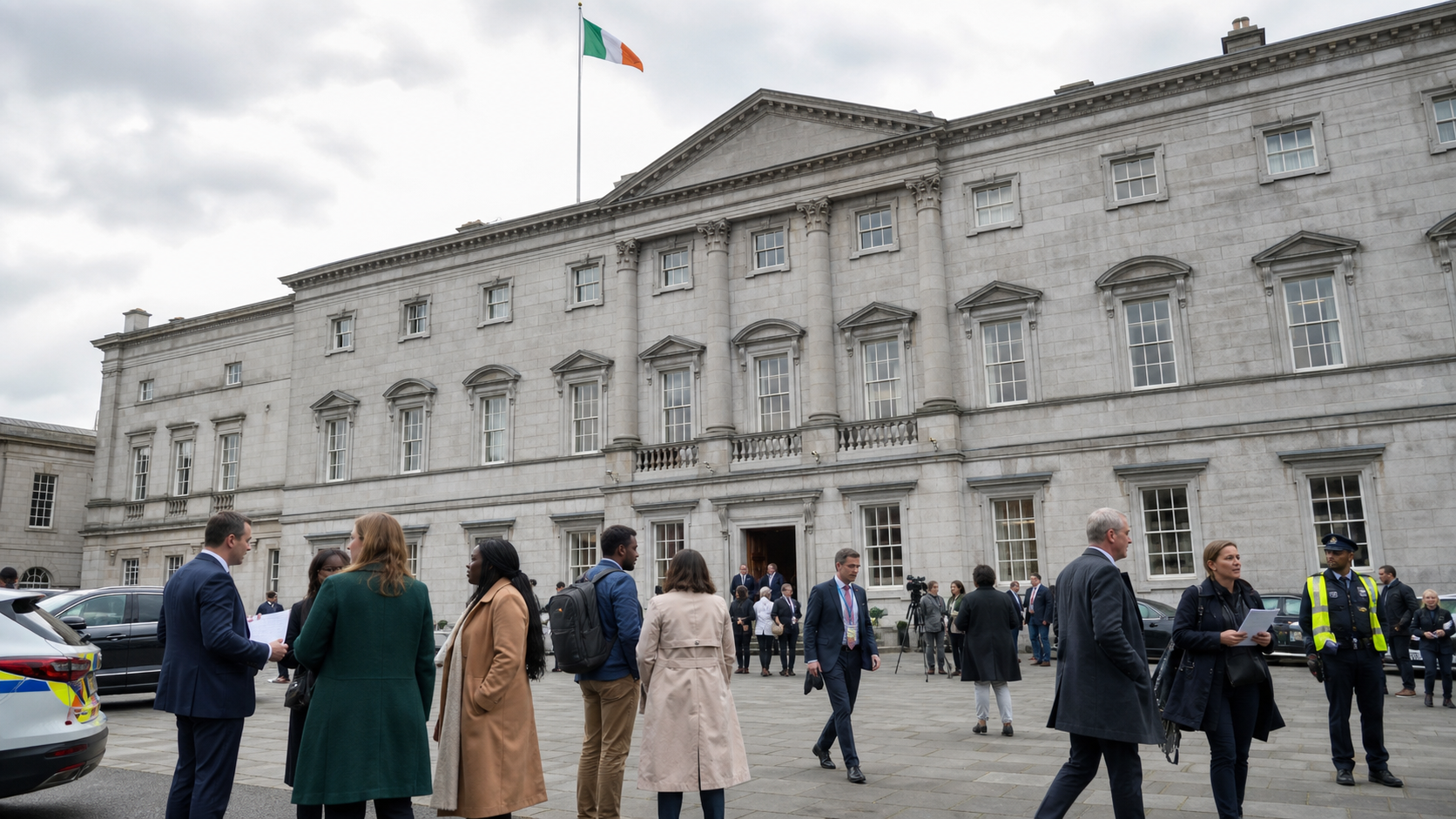
O'Callaghan told reporters outside Government Buildings that the reforms were about "ensuring that citizenship means something — that it reflects a genuine connection to this country and a commitment to its values." He acknowledged that the changes would make the process more demanding for some applicants but argued that this was appropriate given the significance of what citizenship confers. A public consultation on the proposals is expected to be launched before the end of September.
Why It Matters
The citizenship reforms sit within a broader debate about Ireland's approach to immigration and integration that has intensified significantly over the past two years. The rapid growth of Ireland's population — driven by both economic migration and the arrival of refugees from Ukraine and other conflict zones — has placed pressure on housing, healthcare, and education in ways that have generated genuine public concern. The government's response has been to tighten the rules at the margins while maintaining Ireland's commitment to its international protection obligations. Whether the reforms now proposed will be sufficient to address public concerns, or whether they will be seen as either too restrictive or not restrictive enough, will depend heavily on how they are implemented and communicated.
Local Impact
The practical impact of the proposed changes will be felt most directly by the approximately 61,000 people currently in the naturalisation queue, many of whom have been waiting for years for a decision on their applications. For those who have already met the current residency requirement, the transition arrangements will be critical — the government has indicated that existing applicants will not be subject to the new requirements retrospectively, but the detail of those arrangements has yet to be confirmed. In Dublin, Cork, and Galway, where the largest concentrations of non-Irish nationals live, community organisations working with migrant communities have expressed concern about the potential impact of the changes on people who have built their lives in Ireland but may struggle with formal language testing.
What's Next
A public consultation on the proposals is expected to launch before the end of September, with a closing date in November. The government aims to introduce legislation to give effect to the reforms in the first quarter of 2027. The language testing regime, if approved, would require the development of a new examination infrastructure, which officials estimate could take up to eighteen months to put in place. The Oireachtas Justice Committee has indicated that it will hold hearings on the proposals in October.