Northern Ireland Economic Growth Forecast Cut to 0.7% as Global Volatility and US Tariff Threat Bite
The economic growth forecast for Northern Ireland in 2026 has been revised downward to 0.7% by consultancy firm EY, as global instability — including the impact of Middle East conflict on energy prices — and the threat of US trade tariffs combine to create a challenging environment for a regional economy that has reached record employment levels but faces a structural undersupply of workers in its most valuable sectors.
Background
Northern Ireland's economy has shown remarkable resilience over the past decade, recovering from the disruption of Brexit, the Covid-19 pandemic, and the political instability of the Stormont collapse to reach record levels of employment and business formation. The region's economic strengths — a skilled workforce, competitive costs relative to the Republic of Ireland, and the unique trading position created by the Windsor Framework — have attracted significant investment from both domestic and international sources.
However, the global economic environment has become significantly more challenging in 2026. The ongoing conflict in the Middle East has pushed energy prices higher, increasing costs for businesses across all sectors. The threat of US trade tariffs — which the Trump administration has been deploying as a tool of economic policy — poses a particular risk to Northern Ireland's manufacturing and agri-food sectors, which are significant exporters to the American market.
EY's annual economic forecast for Northern Ireland is one of the most closely watched assessments of the region's economic prospects. The consultancy's analysis draws on a wide range of data sources and incorporates both quantitative modelling and qualitative assessment of the business environment, making it a valuable benchmark for policymakers, investors, and business leaders.
Key Developments
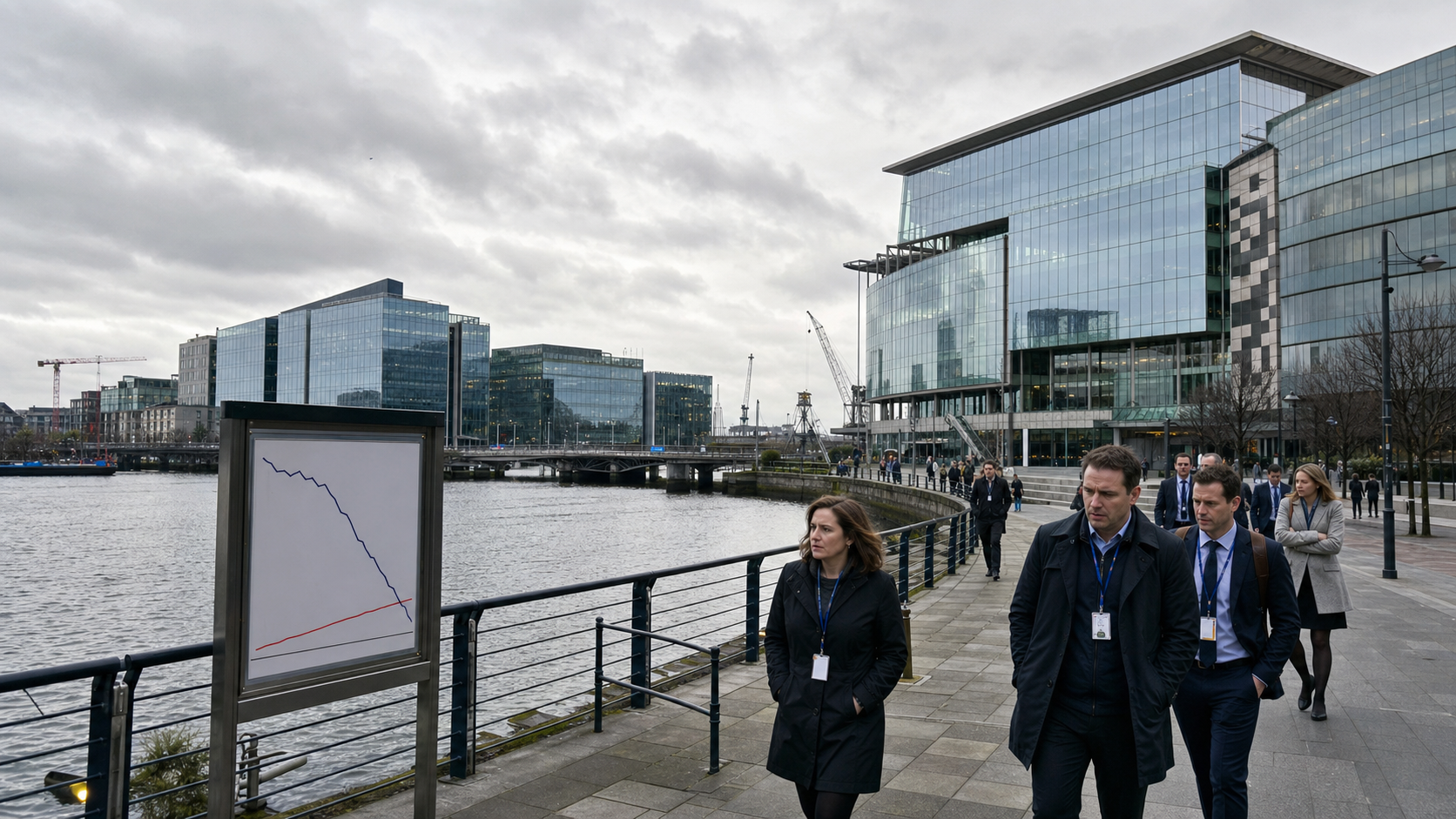
EY's revised forecast of 0.7% growth for Northern Ireland in 2026 represents a significant downward revision from the firm's earlier projections. The primary driver of the revision is the deterioration in the global economic environment, with energy price increases and trade policy uncertainty both weighing on the outlook. The 0.7% figure compares unfavourably with the growth rates being achieved in the Republic of Ireland — even accounting for the distortions created by the Republic's large multinational sector — and with the UK national average.
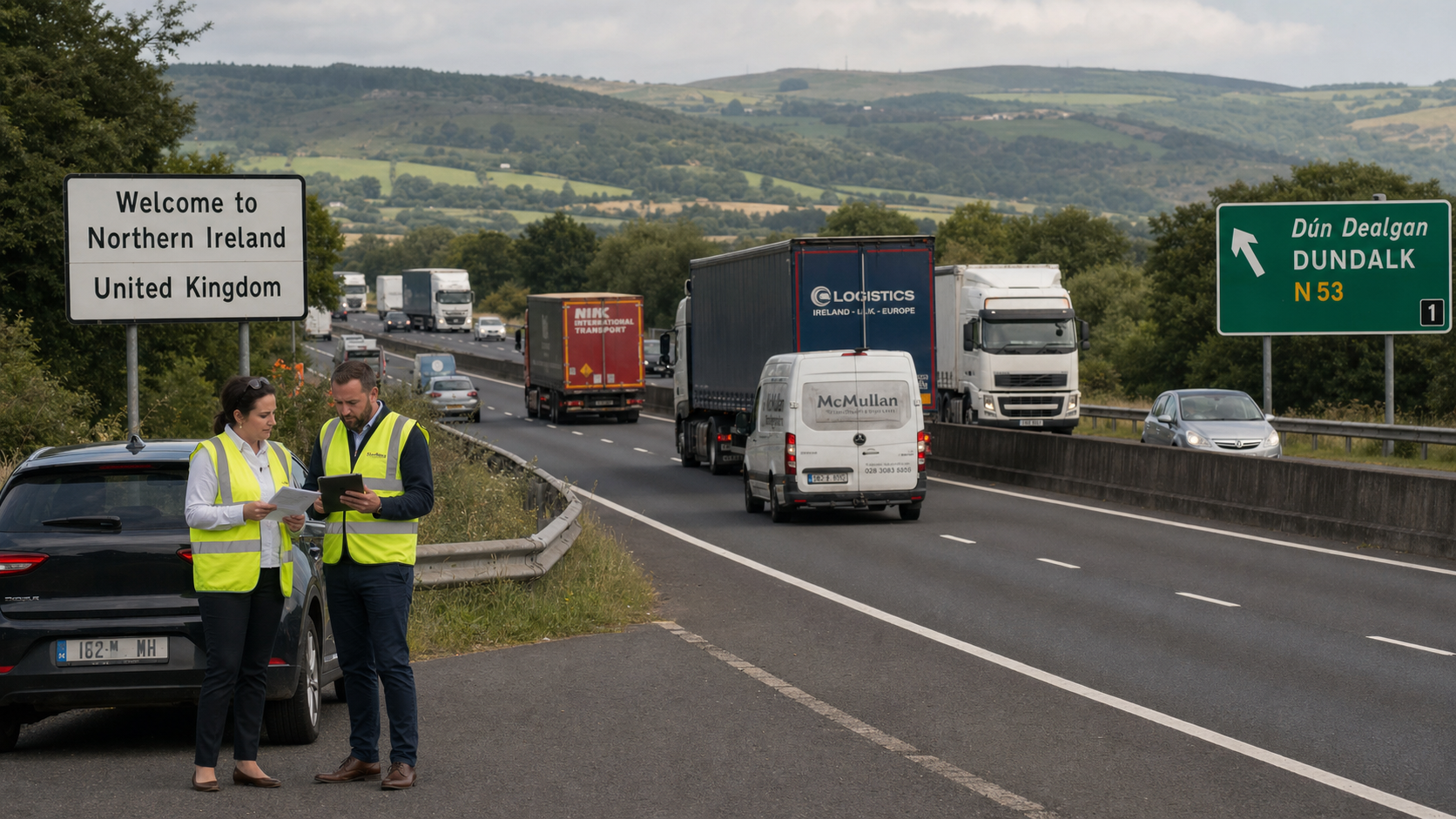
The threat from US trade tariffs is a particular concern for Northern Ireland's economy. A study commissioned by the Department for the Economy has warned that the imposition of significant tariffs on UK exports to the United States could cost the region hundreds of jobs, with the agri-food and manufacturing sectors most exposed. Northern Ireland's agri-food industry — which includes significant beef, dairy, and poultry processing operations — is a major exporter to the US market, and any increase in tariff barriers would directly affect the competitiveness of those exports.
Despite these headwinds, the labour market in Northern Ireland has reached record employment levels, with the employment rate at its highest point in the region's history. However, EY has identified a structural undersupply of workers as a significant constraint on future growth. The firm estimates that Northern Ireland needs over 5,000 additional workers annually to sustain growth in high-value sectors, particularly cybersecurity, data analytics, and advanced manufacturing. The gap between the skills that employers need and the skills available in the local labour market is a challenge that the education and training system has not yet fully addressed.
The cybersecurity sector is a particular area of focus. Northern Ireland has developed a significant cluster of cybersecurity companies in recent years, centred on Belfast, and the sector has been identified as a priority for future investment. However, the shortage of qualified cybersecurity professionals is a constraint on the sector's growth, and the competition for talent — both from other UK regions and from the Republic of Ireland — is intense.
Why It Matters
The downward revision to Northern Ireland's growth forecast matters because it signals that the region's economic recovery is more fragile than the headline employment figures might suggest. Record employment is a genuine achievement, but growth of 0.7% is insufficient to generate the improvements in living standards and public services that the population needs. The structural challenges — workforce shortages, skills gaps, and exposure to global trade policy uncertainty — are not problems that will resolve themselves without deliberate policy intervention.
The comparison with the Republic of Ireland is instructive, even allowing for the distortions created by the Republic's large multinational sector. The Republic's domestic economy has been growing at a significantly faster rate than Northern Ireland's, and the gap in living standards between the two jurisdictions — which has narrowed considerably since the Good Friday Agreement — risks widening again if Northern Ireland's growth rate remains subdued.
The US tariff threat is a reminder of how exposed Northern Ireland's economy is to decisions made in Washington. The region's agri-food sector, in particular, has developed significant export relationships with the American market, and the uncertainty created by the current US trade policy environment is a genuine constraint on investment and planning.
Local Impact
For businesses across Northern Ireland — from the agri-food processors of Co. Tyrone and Co. Armagh to the tech companies of Belfast's Titanic Quarter — the revised growth forecast is a sobering reminder of the challenges ahead. The energy cost increases that have driven the downward revision are being felt directly by businesses, particularly those in energy-intensive sectors like food processing and manufacturing.
For workers in Northern Ireland, the record employment levels are a genuine positive, but the structural undersupply of workers in high-value sectors means that the benefits of economic growth are not being shared as broadly as they could be. The skills gap in cybersecurity and data analytics, in particular, means that many of the best-paid jobs in the region are going to workers recruited from outside Northern Ireland, rather than to local people who have been trained and educated in the region.
What's Next
EY will publish its full annual economic forecast for Northern Ireland in September, which will include a detailed sector-by-sector analysis and a set of policy recommendations for the Stormont Executive. The Department for the Economy is expected to respond to the forecast with a statement on its economic strategy, including measures to address the workforce shortage and to mitigate the impact of US tariff uncertainty. The Invest Northern Ireland board will also be reviewing its investment attraction strategy in light of the revised growth outlook.