Cross-Border Trade Between Ireland and Northern Ireland Grows to €15 Billion as All-Island Economy Deepens
Trade between the Republic of Ireland and Northern Ireland has grown from €2 billion in 1998 to €15 billion annually by 2025, with the all-island trade relationship being described as an 'oasis of calm' for businesses navigating global geopolitical and economic uncertainty — a remarkable transformation that reflects the deepening economic integration of the two jurisdictions over the past quarter century.
Background
The economic relationship between the Republic of Ireland and Northern Ireland has been transformed since the signing of the Good Friday Agreement in 1998. In the years before the Agreement, the border between the two jurisdictions was a significant barrier to trade and economic activity — not only because of the physical infrastructure of checkpoints and customs posts, but because of the political and security environment that made cross-border commerce difficult and sometimes dangerous.
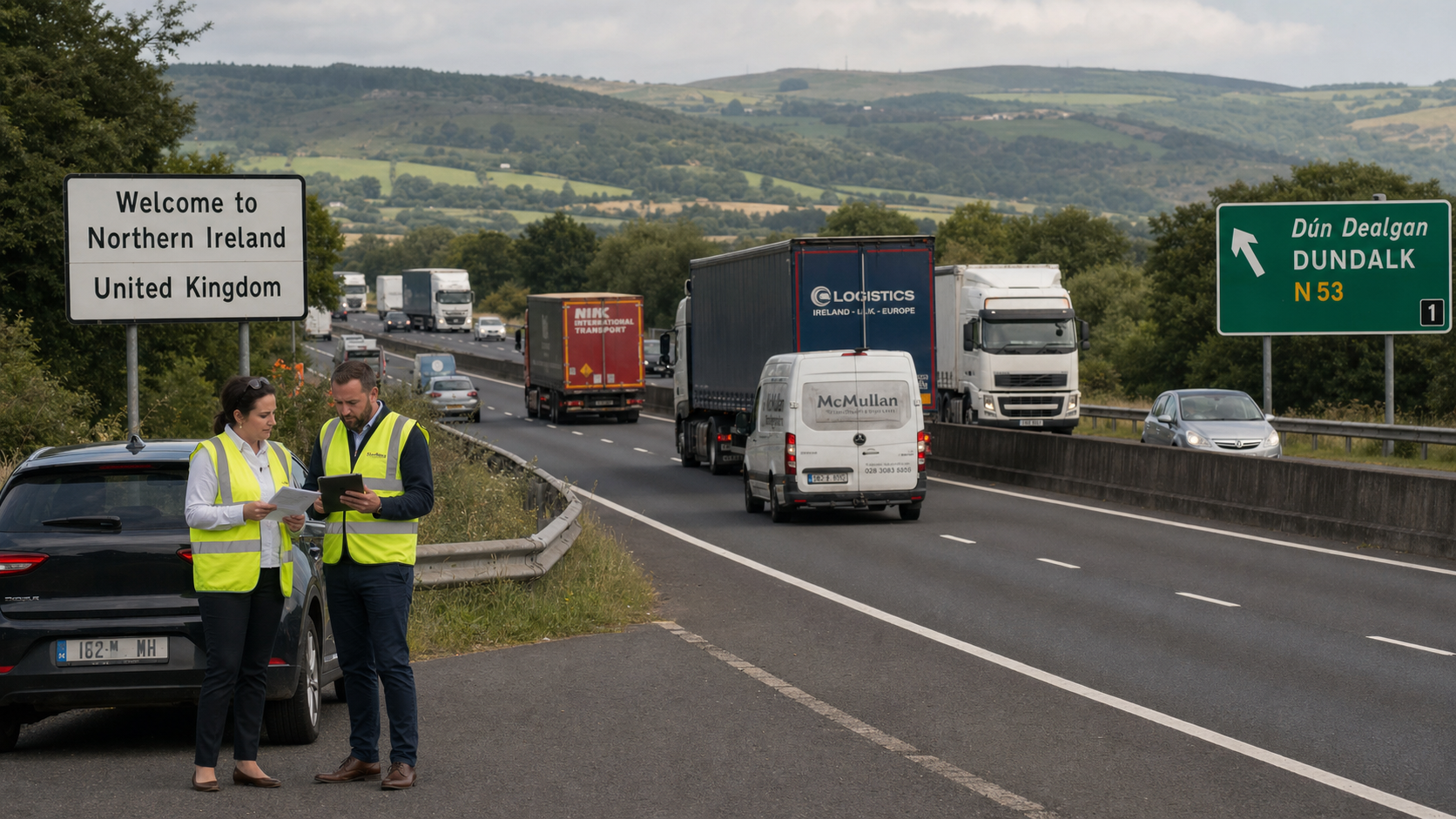
The removal of border infrastructure following the Agreement, combined with the shared membership of the European Union's single market and customs union, created the conditions for a dramatic expansion of cross-border economic activity. The €2 billion in annual trade recorded in 1998 has grown sevenfold over the subsequent 27 years, reaching €15 billion by 2025 — a figure that reflects the depth of the economic integration that has developed between the two jurisdictions.
InterTrade Ireland, the cross-border trade and business development body established under the Good Friday Agreement, has been a central driver of this growth. The organisation provides practical support to businesses on both sides of the border, helping them to navigate the regulatory differences between the two jurisdictions and to identify opportunities for cross-border trade and collaboration. Its work has been particularly important in the years since Brexit, when the divergence between the UK and EU regulatory frameworks created new complexities for businesses operating across the border.
Key Developments
The latest figures from InterTrade Ireland confirm that cross-border trade reached €15 billion in 2025, with growth recorded across a range of sectors including agri-food, manufacturing, retail, and professional services. The agri-food sector remains the largest component of cross-border trade, reflecting the deep integration of the island's food supply chains and the importance of the all-island market for producers on both sides of the border.
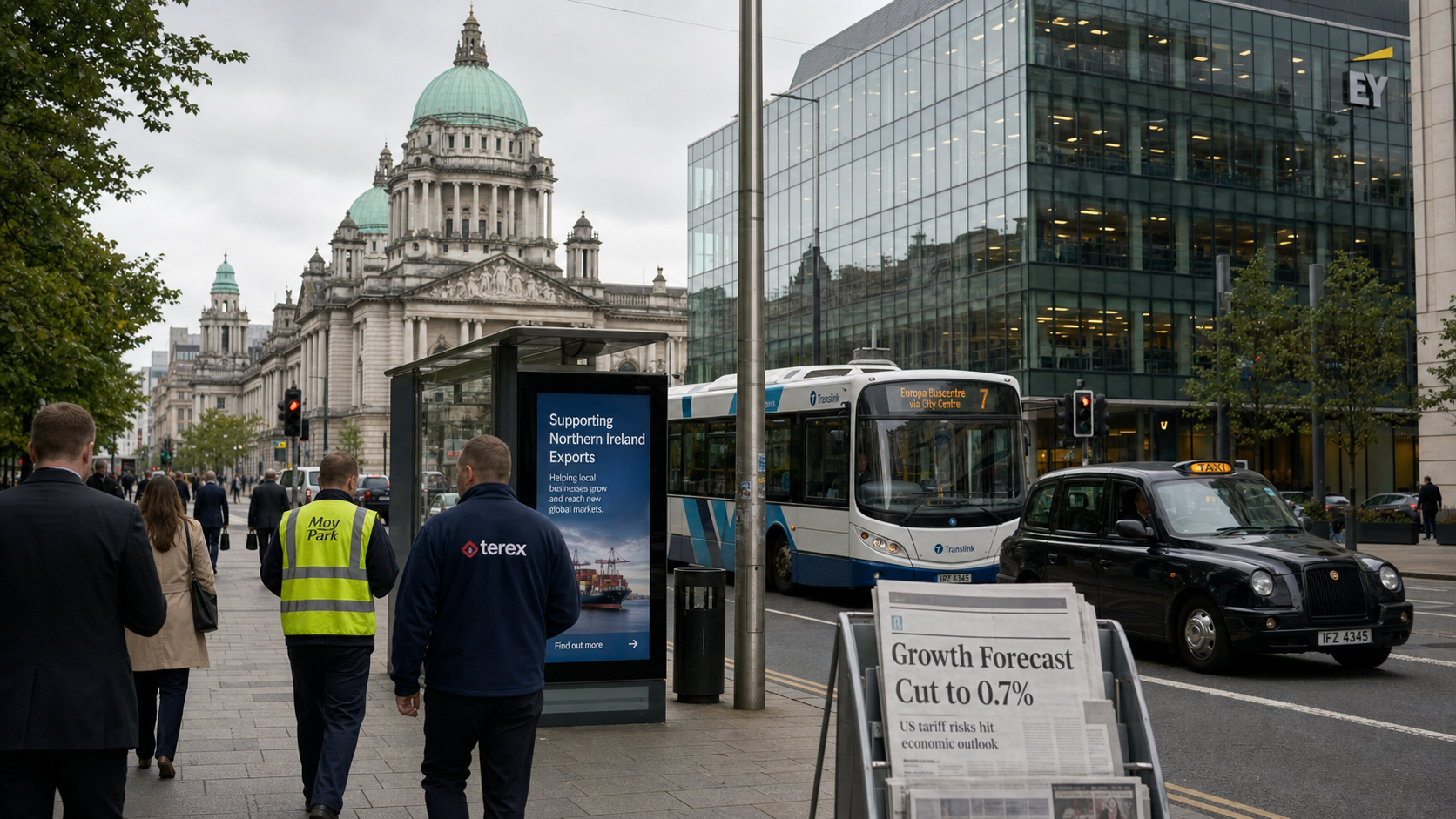
The description of the all-island trade relationship as an "oasis of calm" reflects the contrast between the stability of cross-border commerce and the turbulence of the global trading environment. The impact of US trade tariffs, the ongoing disruption to global supply chains, and the geopolitical uncertainty created by conflicts in various parts of the world have all created challenges for businesses that depend on international trade. Against this backdrop, the predictability and stability of the cross-border market — where businesses share a language, similar regulatory frameworks, and geographical proximity — is a genuine competitive advantage.
InterTrade Ireland has been actively encouraging businesses to use cross-border trade as a platform for wider international expansion. The logic is straightforward: a business that has successfully navigated the cross-border market has developed the skills and experience needed to compete in international markets more broadly. The organisation's programmes — which include trade missions, market intelligence, and practical support for businesses entering the cross-border market for the first time — have been designed with this broader objective in mind.
The Windsor Framework, which governs the trading relationship between Northern Ireland and the rest of the UK and the EU, has been a significant factor in the evolution of cross-border trade since Brexit. The framework's provisions — which give Northern Ireland access to both the UK internal market and the EU single market — have created a unique trading environment that offers opportunities as well as complexities for businesses operating in the region.
Why It Matters
The growth of cross-border trade to €15 billion matters for several reasons. At the most basic level, it represents a significant economic benefit for businesses and workers on both sides of the border. The jobs, incomes, and tax revenues generated by cross-border commerce are a tangible dividend of the peace process, and the continued growth of that commerce is a powerful argument for the value of political stability and cross-border cooperation.
The all-island economy is also increasingly relevant to the political debate about the constitutional future of the island. The economic integration that has developed over the past 27 years is a reality that any future constitutional arrangement would need to accommodate, and the depth of that integration — reflected in the €15 billion trade figure — is a factor that will inevitably shape the terms of any future discussion about Irish unity.
For businesses, the cross-border market offers a relatively low-risk entry point to international trade. The shared language, similar business culture, and geographical proximity reduce the barriers to entry, and the experience of operating in a cross-border environment develops the skills and confidence needed to compete in more distant markets.
Local Impact
The impact of cross-border trade is felt most directly in the border counties — Donegal, Leitrim, Cavan, Monaghan, and Louth in the Republic, and Derry/Londonderry, Fermanagh, Tyrone, and Armagh in Northern Ireland. These areas have historically been among the most economically disadvantaged in both jurisdictions, and the growth of cross-border commerce has been a significant driver of economic development in communities that were previously marginalised by the border.
The retail sector has been a particular beneficiary of cross-border trade, with consumers on both sides of the border regularly crossing to take advantage of price differences and product availability. The currency differential between sterling and the euro has historically been a significant driver of cross-border retail flows, and the pattern of consumer behaviour in the border region reflects the deep integration of the two economies at the local level.
What's Next
InterTrade Ireland will publish its annual trade monitor report in September, which will provide a detailed breakdown of cross-border trade by sector and by region. The organisation is also planning a series of cross-border business events in the autumn, designed to help businesses on both sides of the border identify new opportunities for collaboration and trade. The North-South Ministerial Council, which oversees InterTrade Ireland's work, is expected to meet in October to review the organisation's performance and to set priorities for the coming year.