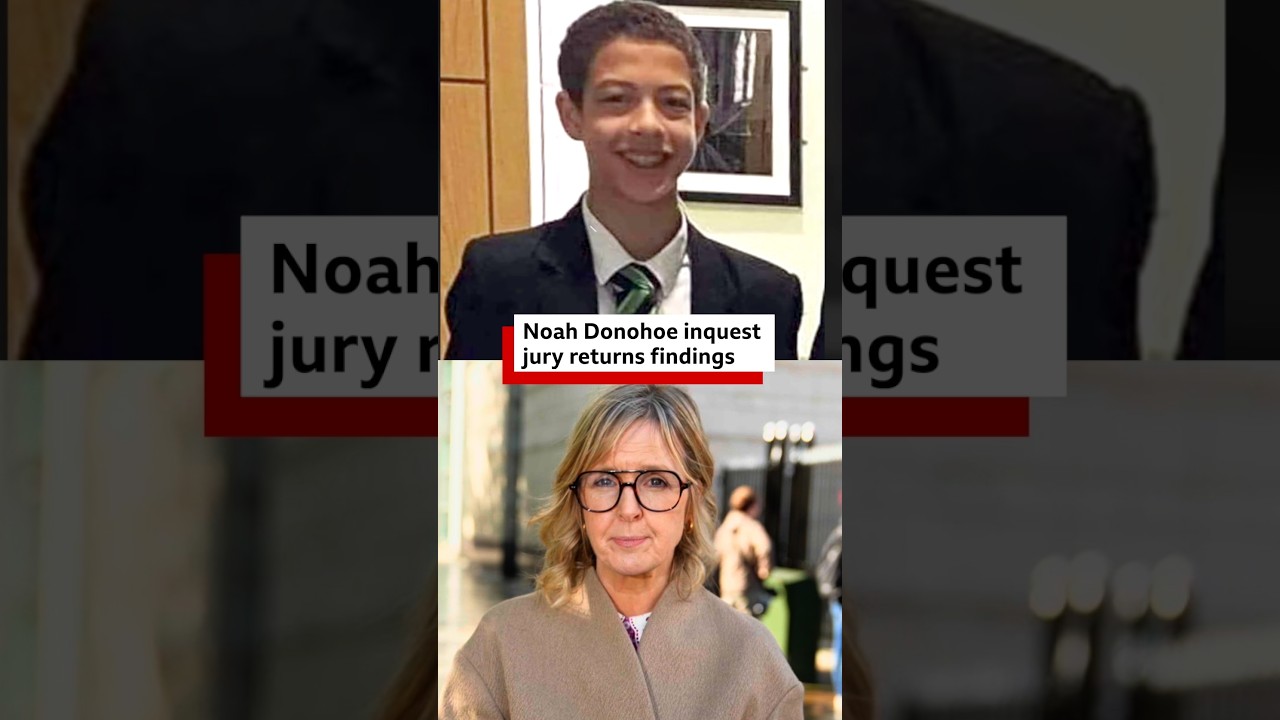
Noah Donohoe Inquest: Jury Finds Infrastructure Failings Possible Factor in Teenager's Death
A jury at the inquest into the death of fourteen-year-old Noah Donohoe has concluded that failings by the Department for Infrastructure in the maintenance and security of a storm drain culvert in North Belfast were a possible — though not probable — contributor to his drowning in June 2020, with the jury identifying thirteen separate failings by the Department and the Police Service of Northern Ireland across more than twenty weeks of evidence.
Background
Noah Donohoe disappeared on the evening of Sunday, June 21, 2020, while cycling through North Belfast. He was fourteen years old, a pupil at St Malachy's College, and by all accounts a bright, curious young man with a wide circle of friends. His disappearance triggered an immediate and extensive search operation, and his body was discovered six days later in an underground water tunnel — a storm drain culvert — in the Northwood Road area of the city.
The circumstances of his death were deeply troubling from the outset. CCTV footage showed Noah cycling erratically in the hours before he disappeared, apparently in a state of distress, and he was seen removing his clothes and leaving them at various points along his route. The question of how he came to enter the culvert, and whether the culvert's condition and accessibility contributed to his death, became central to the inquest proceedings.
The inquest, which was presided over by Mr Justice Rooney following the recusal of the original coroner, Joe McCrisken, involved sixty-two days of evidence, seventy-six witnesses, extensive CCTV analysis, and expert reports on the culvert's structure and maintenance history. The family requested that a jury be empanelled to ensure independent scrutiny and public confidence in the process — a decision that proved significant given the findings that emerged.
Key Developments
The jury determined that Noah Donohoe died by drowning between 7pm and midnight on June 21, 2020, in the lower reaches of the culvert. On the central question of the Department for Infrastructure's responsibility, the jury found that the Department had erred by failing to identify the culvert entrance as an area accessible to the public and by failing to place warning signs around it. The jury concluded that it was possible — but not probable — that these failings contributed to Noah's death.
The jury identified thirteen separate failings related to the PSNI and the Department for Infrastructure that impacted the inquest's ability to reach firm conclusions. Despite these, the jury found that no police failings directly contributed to Noah's death, largely on the basis of the established timeline of when he died.
Fiona Donohoe, Noah's mother, responded to the findings with a statement that was both measured and devastating. Represented by solicitor Niall Murphy, she said the process had exposed a culture of institutional defensiveness and that Noah had been failed by the public bodies involved. Infrastructure Minister Liz Kimmins stated that the Department unreservedly accepts the jury's findings and intends to learn from the identified lessons.
Why It Matters
The Noah Donohoe inquest has been one of the most closely watched legal proceedings in Northern Ireland in recent years, not only because of the tragedy at its heart but because of what it has revealed about the relationship between public institutions and the families they are supposed to serve. The thirteen failings identified by the jury — spanning both the PSNI investigation and the Department for Infrastructure's management of the culvert — paint a picture of institutions that were slow to acknowledge their shortcomings and resistant to external scrutiny.
The finding that the culvert entrance was accessible to the public without adequate warning signs raises questions that extend beyond this individual case. How many similar structures exist across Northern Ireland's infrastructure network? Who is responsible for auditing them? The Department for Infrastructure has committed to learning from the findings, but the specifics of what that learning will look like — and how it will be verified — remain to be established. For Fiona Donohoe and her family, the inquest has provided some measure of clarity, but the absence of a finding of probable causation means that the full picture of what happened to Noah on that June evening remains incomplete.
Local Impact
The culvert in which Noah's body was found is located in the Northwood Road area of North Belfast, a residential neighbourhood that falls within the Belfast City Council area. The Department for Infrastructure has indicated that it will review the accessibility and signage of similar structures across the North Belfast road network as a direct consequence of the inquest findings. The PSNI's North Belfast district policing team has been asked to review its missing persons protocols in light of the jury's findings regarding the investigation. For the wider North Belfast community, the inquest has been a prolonged and painful process, and its conclusion brings a degree of closure to a case that has haunted the area for more than six years.
What's Next
The inquest is expected to formally close in the coming days, at which point the PSNI will issue a full response to the jury's findings. The Department for Infrastructure has committed to publishing an action plan in response to the identified failings within three months. Fiona Donohoe's legal team has indicated that the family will consider their options in light of the findings, including whether any further legal action is appropriate. A public memorial to Noah Donohoe, which has been discussed by the local community for some time, is expected to be progressed in the months ahead.