No Clinical Reason to Retain Three-Day Abortion Wait, Oireachtas Committee Hears from HSE and GPs
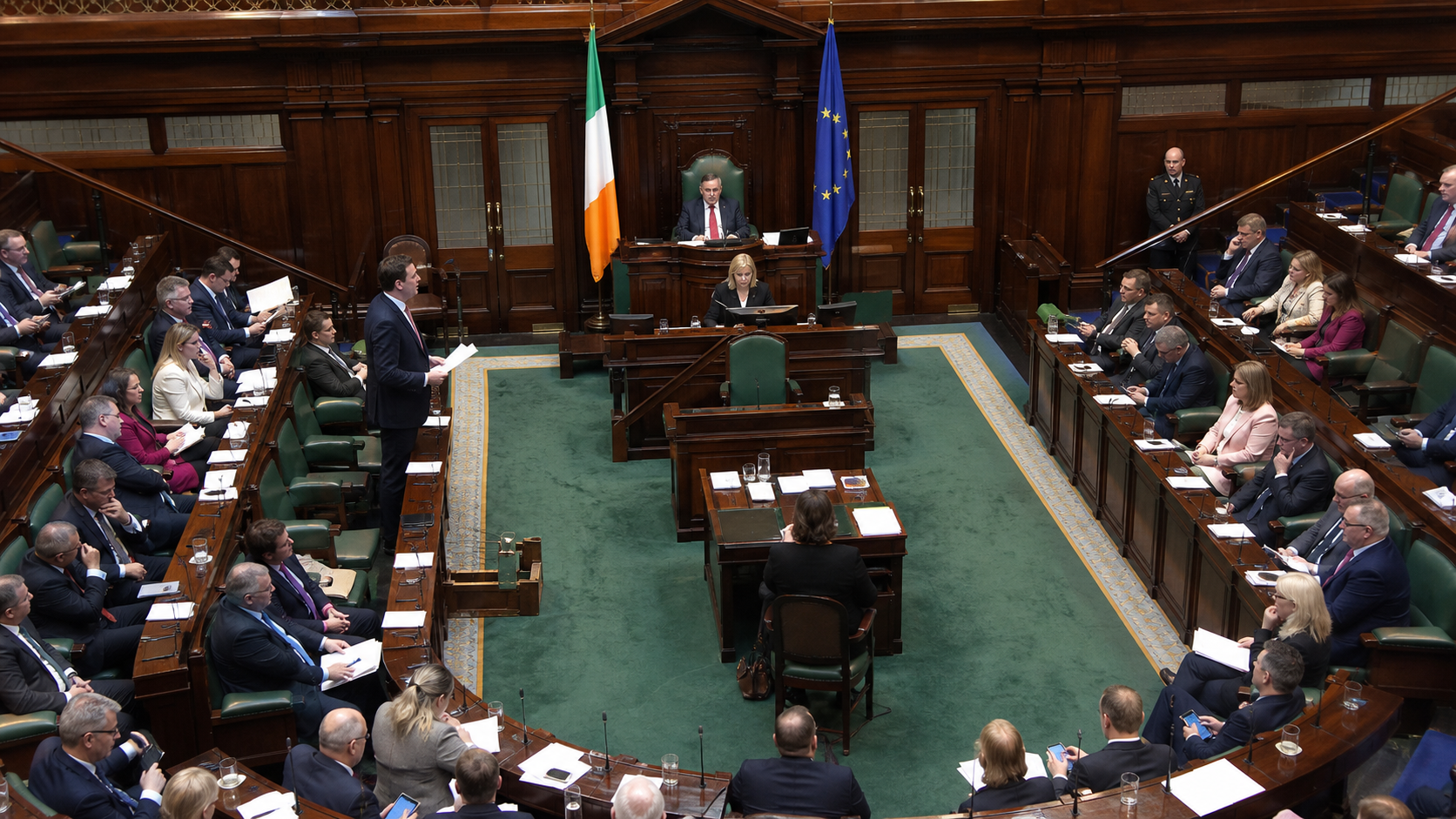
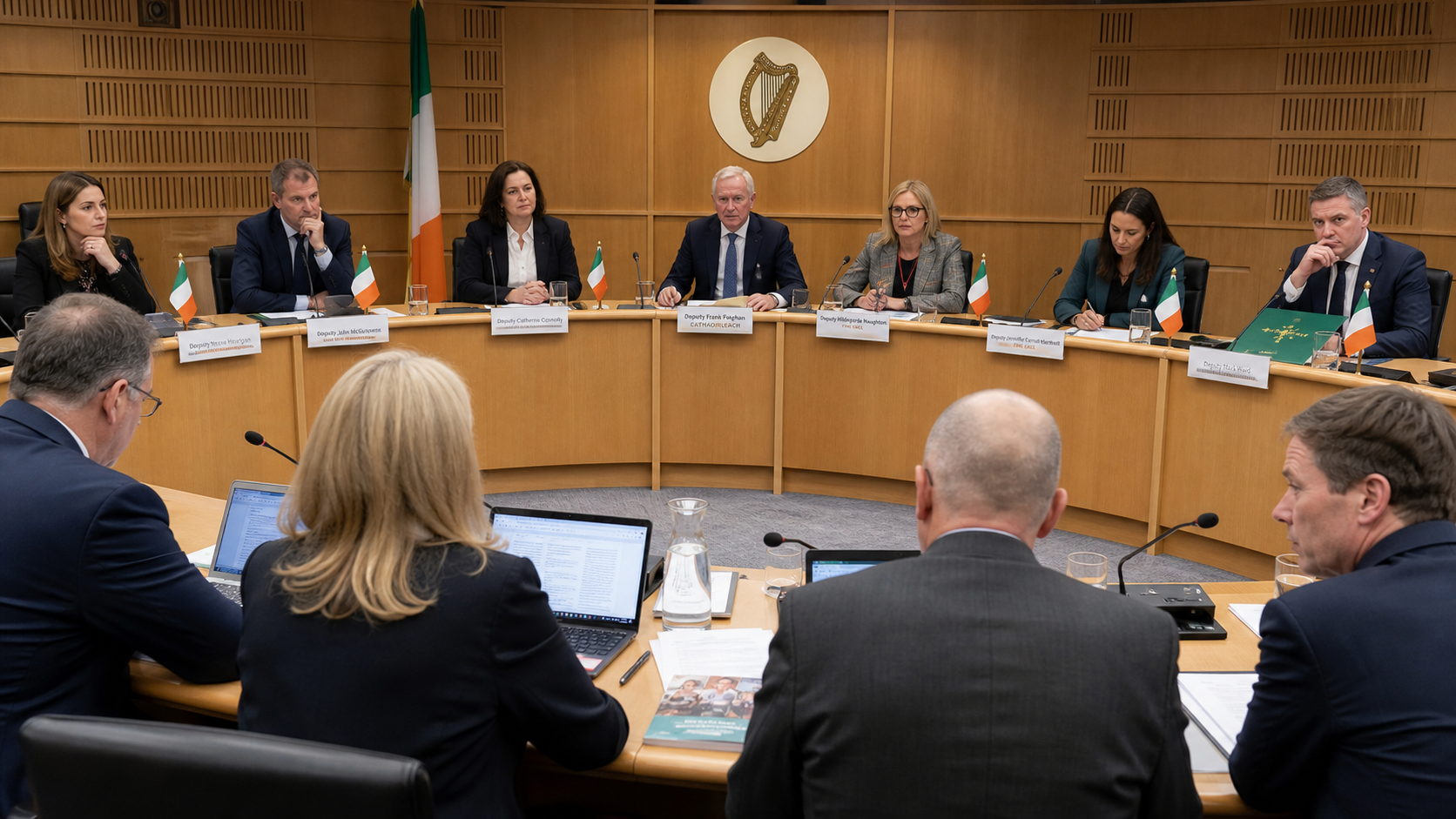
The Oireachtas Health Committee has heard from the HSE and the Irish College of General Practitioners that there is no clinical justification for the mandatory three-day waiting period for abortion services in Ireland, as a Sinn Féin Private Members' Bill to abolish the rule continues its passage through the Dáil amid significant political division within the Government coalition.
Background
The three-day waiting period — which requires a minimum of 72 hours to elapse between a woman's initial consultation with a GP and the commencement of medical or surgical abortion — was included in the Health (Regulation of Termination of Pregnancy) Act 2018, the legislation that gave effect to the result of the referendum in which the Irish public voted to repeal the Eighth Amendment. The waiting period was a political compromise at the time, included to address concerns from some legislators about the pace of change, rather than a clinically motivated requirement.
Since the legislation came into effect, medical practitioners and women's health advocates have consistently argued that the mandatory wait creates practical difficulties for patients, particularly those in time-sensitive situations. A pregnancy that is close to the nine-week-and-six-day limit for medical abortion can be pushed beyond that threshold by a mandatory three-day delay, forcing women into more invasive surgical procedures or, in some cases, beyond the legal limit for abortion entirely.
Sinn Féin's Health (Abolition of the Three Day Wait Rule) Amendment Bill 2026 passed its second stage in the Dáil in June 2026 with support from Taoiseach Micheál Martin and Tánaiste Simon Harris, but a majority of Fianna Fáil and Fine Gael backbenchers have opposed it, reflecting the "freedom of conscience" approach that the Government applies to abortion legislation.
Key Developments
At Tuesday's committee hearing, Dr Cliona Murphy, clinical director of the HSE's National Women and Infants Health Programme, stated clearly that there is no clinical requirement for the mandatory wait. "The opportunity for reflection should remain available for those who desire it," Dr Murphy said, "but it should not be a legally mandated imposition. Informed consent is the appropriate framework, and that is a matter between a woman and her doctor."
The Irish College of General Practitioners, represented by Dr Ciara McCarthy, the ICGP lead in women's health, also advocated for the removal of the mandatory rule. Dr McCarthy described cases in which the three-day wait had pushed women beyond the nine-week-and-six-day threshold for medical abortion, forcing them into hospital-based surgical procedures that were more invasive and more distressing than the medical option they had originally sought.
Opposition to the Bill from within the Government was also evident at the hearing. Fine Gael TD Peter Roche characterised the potential removal of the wait as a "profound betrayal" of the public who voted in the 2018 referendum, arguing that the waiting period was an integral part of the legislative framework that voters had endorsed.
Why It Matters
The debate over the three-day wait is, at its core, a debate about whether Irish abortion law should be shaped by clinical evidence or by political compromise. The evidence presented to the committee on Tuesday was unambiguous: the HSE and the ICGP, the two bodies with the most direct clinical expertise in this area, both concluded that the mandatory wait serves no clinical purpose and can cause harm. The question for the Oireachtas is whether that evidence is sufficient to override the political considerations that led to the wait being included in the original legislation.
The broader significance of this debate extends beyond the specific question of the waiting period. It is a test of whether the Irish political system is capable of updating legislation in response to clinical evidence and lived experience, or whether the compromises embedded in the 2018 Act are effectively permanent regardless of what practitioners and patients report.
Local Impact
For women across Ireland — in Dublin, Cork, Galway, Limerick, and in rural areas where access to abortion services is already more limited — the three-day wait has practical consequences that are not always visible in the political debate. Women who must take time off work for two separate appointments, who must arrange childcare twice, or who must travel significant distances to access services are disproportionately affected by the mandatory delay. The HSE's evidence to the committee included data showing that the wait creates particular difficulties for women in rural areas and for those in the most time-sensitive situations.
What's Next
The Bill is expected to proceed to committee stage for further scrutiny and amendment. The Department of Health has maintained a neutral stance, stating that the decision to amend the legislation is a matter for the Oireachtas. A vote on the Bill's final passage is not expected before the end of the year, and the outcome remains uncertain given the division within the Government coalition. The ICGP has indicated it will continue to advocate for the removal of the mandatory wait, and further clinical evidence is expected to be submitted to the committee in the coming weeks.