NI Records Hottest Summer in History as Stormont Minister Warns 'No Rolling Back' on Climate Action
Northern Ireland has recorded its hottest summer in history, with Agriculture, Environment and Rural Affairs Minister Andrew Muir using a keynote address at the Environment Ireland Conference in Dublin to warn that the record-breaking heat — combined with global warnings that the 1.5°C temperature threshold is within reach — demands an unwavering commitment to climate action and stronger all-island cooperation on environmental challenges that, as he put it, "do not recognise borders."
Background
The summer of 2026 has been extraordinary by any historical measure. Provisional data from the Met Office and Met Éireann confirm that the June-to-August period was the hottest on record for both the United Kingdom and Ireland, surpassing the previous records set during the heatwaves of 2022 and 2023. The heat was not merely a matter of peak temperatures — which were themselves remarkable — but of sustained warmth over an extended period, with night-time temperatures remaining unusually high and the number of consecutive warm days exceeding anything previously recorded.
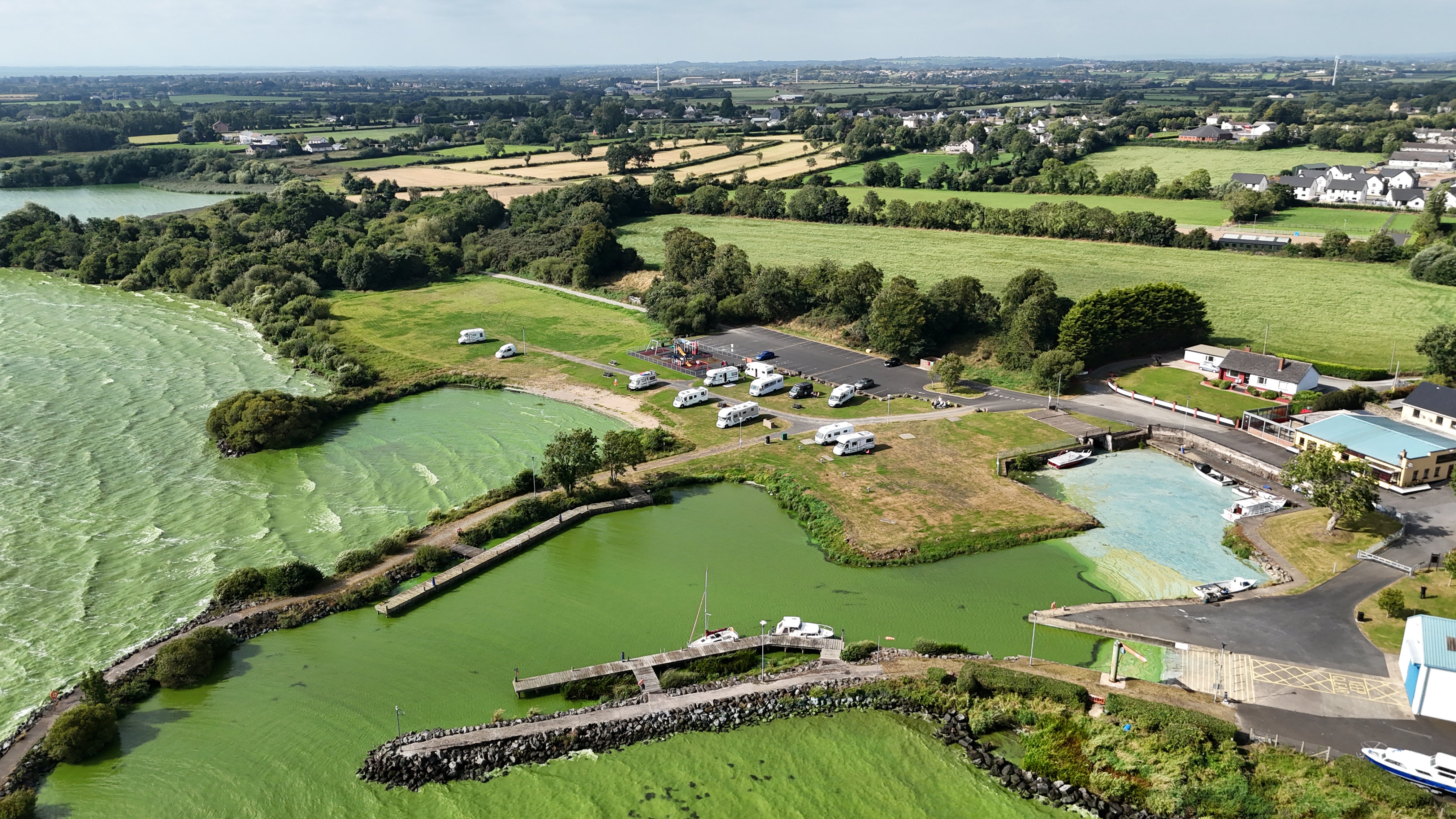
For Northern Ireland, the implications of the record summer extend well beyond personal discomfort. The agricultural sector — which accounts for a significant proportion of the region's economy and land use — has been affected by drought conditions in some areas, with grass growth and silage yields below average in parts of County Tyrone and County Fermanagh. Water quality in Lough Neagh, already the subject of a major environmental crisis driven by agricultural run-off and blue-green algae, has deteriorated further under the pressure of elevated temperatures.
Minister Muir, who holds the Agriculture, Environment and Rural Affairs portfolio at Stormont, has been one of the most vocal advocates for climate action within the Executive, a position that has occasionally put him at odds with colleagues from parties more closely aligned with the farming lobby.
Key Developments
Speaking at the Environment Ireland Conference at Croke Park in Dublin on 3 September, Minister Muir delivered what attendees described as one of the most direct statements on climate action from a Stormont minister in recent memory. He cited the record summer as evidence that the climate crisis is not a future threat but a present reality, and warned that any attempt to "wish the problem away" or to roll back on climate commitments would be detrimental to Northern Ireland's society, economy, and farming sector.
The Minister outlined several key initiatives currently underway in Northern Ireland, including a forthcoming Nature Recovery Strategy aimed at protecting and managing 30% of the region's land and sea for nature by 2030, and the region's first Climate Action Plan, which is currently with the Stormont Executive awaiting approval. He also confirmed that work on a second Climate Action Plan has already commenced, and that the government is preparing to set the Fourth Carbon Budget.
Muir's call for stronger all-island cooperation on climate adaptation was particularly notable, given the political sensitivities around cross-border initiatives in the current Stormont environment. He argued that environmental challenges — from the Lough Neagh crisis to the management of shared river catchments — require coordinated responses that transcend the border, and that the North-South Ministerial Council should be used more actively as a vehicle for joint environmental action.
Why It Matters
Northern Ireland's climate policy has lagged behind both the Republic of Ireland and Scotland in terms of ambition and implementation, a gap that environmental groups have consistently highlighted. The Climate Change Act (Northern Ireland) 2022 set legally binding targets for emissions reductions, but progress toward those targets has been slow, and the first Climate Action Plan — which should have been published by 2023 — has been delayed by the political instability that has periodically paralysed the Executive.
The record summer provides Minister Muir with a powerful argument for urgency, and his willingness to make that argument publicly — including at a conference in the Republic, where the audience included senior officials from the Irish government and the EU — signals a degree of political confidence that has not always been evident in Stormont's approach to climate issues.
The Lough Neagh crisis, which has seen the lough — the largest freshwater lake in the British Isles — blanketed by toxic blue-green algae for the third consecutive summer, is the most visible symbol of Northern Ireland's environmental challenges and the most politically charged. The Minister's commitment to an Environmental Improvement Plan that addresses water quality will be judged, in large part, by what it delivers for Lough Neagh.
Local Impact
The practical consequences of the record summer have been felt across Northern Ireland. Farmers in Tyrone and Fermanagh have reported significant losses from drought, with some having to purchase additional feed for livestock that would normally graze on summer grass. Water companies have issued hosepipe bans in parts of County Antrim and County Down. The Ulster Wildlife Trust has documented the impact of the heat on native species, with particular concern about the effect on freshwater fish populations in rivers that have seen water temperatures rise to levels that stress cold-water species such as salmon and trout.
In urban areas, the heat has highlighted the lack of green infrastructure in many of Northern Ireland's towns and cities. Belfast City Council has been developing a Green and Blue Infrastructure Strategy, but progress has been slow, and the summer of 2026 has given renewed urgency to calls for more urban trees, green roofs, and accessible water features that can help cool city environments during extreme heat events.
What's Next
The Stormont Executive is expected to consider the first Climate Action Plan at its next full meeting, with a decision on publication anticipated before the end of October. The Nature Recovery Strategy is due to go out for public consultation in November. Minister Muir has also indicated that he will bring proposals for enhanced all-island environmental cooperation to the North-South Ministerial Council at its next meeting, scheduled for December. The Fourth Carbon Budget is expected to be set in the first quarter of 2027.