Waiting Lists at Record Levels Across All Five Trusts
Northern Ireland's five health and social care trusts have issued an unprecedented joint statement warning that patient waiting lists have reached a critical level, with the latest figures showing more than 400,000 people waiting for outpatient appointments and tens of thousands waiting more than two years for elective procedures. The statement, released on Wednesday, calls on the Stormont Executive to treat the waiting list crisis as a health emergency requiring immediate and sustained investment.
The figures, compiled from the most recent Department of Health statistics, paint a stark picture of a health service under severe strain. Across the Belfast, South Eastern, Southern, Northern, and Western trusts, the number of patients waiting more than 52 weeks for a first outpatient appointment has risen by 18 per cent in the past twelve months. In some specialties, including orthopaedics, ophthalmology, and dermatology, the average wait time now exceeds three years.
The Human Cost of Waiting
Behind the statistics are individual stories of patients whose conditions have deteriorated while they wait for treatment. The trusts' joint statement includes anonymised case studies illustrating the human cost of the waiting list crisis. One patient waited 28 months for a knee replacement, during which time their mobility declined significantly and they were unable to work. Another waited more than two years for a cataract operation, losing much of their functional vision in the interim.
Patient advocacy groups have welcomed the trusts' decision to speak publicly about the scale of the problem. The Patient and Client Council, which represents health service users in Northern Ireland, said the joint statement was a necessary and overdue acknowledgement of a crisis that had been building for years. The council's chief executive said that patients had been telling them for a long time that the system was not coping, and that it was important for the trusts to be honest about the situation.
The Royal College of Surgeons in Ireland has separately warned that Northern Ireland's surgical waiting lists are among the longest in the United Kingdom and that without significant additional investment in theatre capacity and staffing, they will continue to grow. The college estimates that clearing the current backlog would require a sustained programme of additional activity lasting at least five years.
Staffing Pressures Compound the Problem
The waiting list crisis is being compounded by significant staffing pressures across the health service. Northern Ireland has struggled for years to recruit and retain doctors, nurses, and allied health professionals, with many choosing to work in the Republic of Ireland, Great Britain, or further afield where pay and conditions are more competitive. The trusts' statement acknowledges that staffing shortages are a major constraint on their ability to increase activity and reduce waiting times.
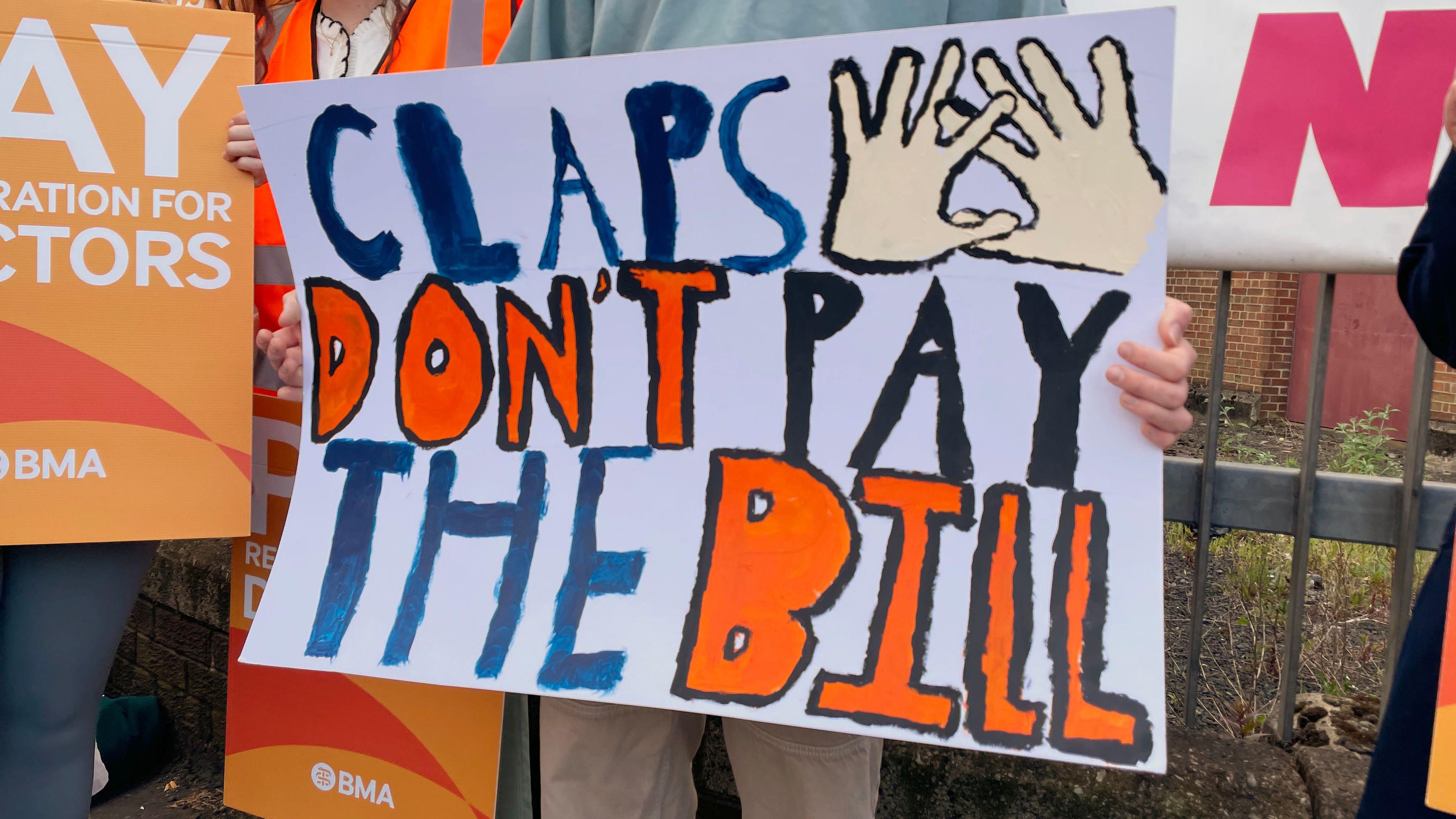
The ongoing industrial dispute involving consultants and specialist doctors, who began a 24-hour strike on Wednesday, has added to the pressure. While the trusts have activated emergency protocols to maintain essential services, the strike has resulted in the cancellation of thousands of outpatient appointments and elective procedures across all five trust areas. The trusts have said they will work to reschedule affected appointments as quickly as possible, but acknowledge that this will take time.
The Department of Health has said it is committed to addressing the waiting list crisis and has pointed to a series of initiatives aimed at increasing capacity, including additional funding for weekend and evening clinics and a programme to recruit internationally trained doctors and nurses. However, health service leaders say these measures, while welcome, are insufficient to address the scale of the problem.
A Call for Political Leadership
The trusts' joint statement is explicitly political in its framing, calling on the Stormont Executive to prioritise health funding in the forthcoming budget and to develop a long-term strategy for addressing the waiting list crisis. The statement argues that the current situation is not simply a management problem but a consequence of chronic underfunding that requires a political solution.
The Health Minister has said she shares the trusts' concerns and is committed to making the case for additional health funding within the Executive. However, she has acknowledged that the overall budget position is extremely difficult and that all departments are facing significant pressures. Opposition parties have called for an emergency debate in the Assembly on the waiting list crisis, arguing that the scale of the problem demands urgent political attention.
For patients currently on waiting lists, the immediate outlook remains challenging. The trusts have committed to providing regular updates on waiting times and to prioritising those whose conditions are most urgent. They have also urged patients to contact their GP if their condition changes while they are waiting, so that their priority can be reassessed.