Doctors Issue Urgent Heat Stress Warning as Ireland's Heatwave Poses Serious Risk to Vulnerable Groups
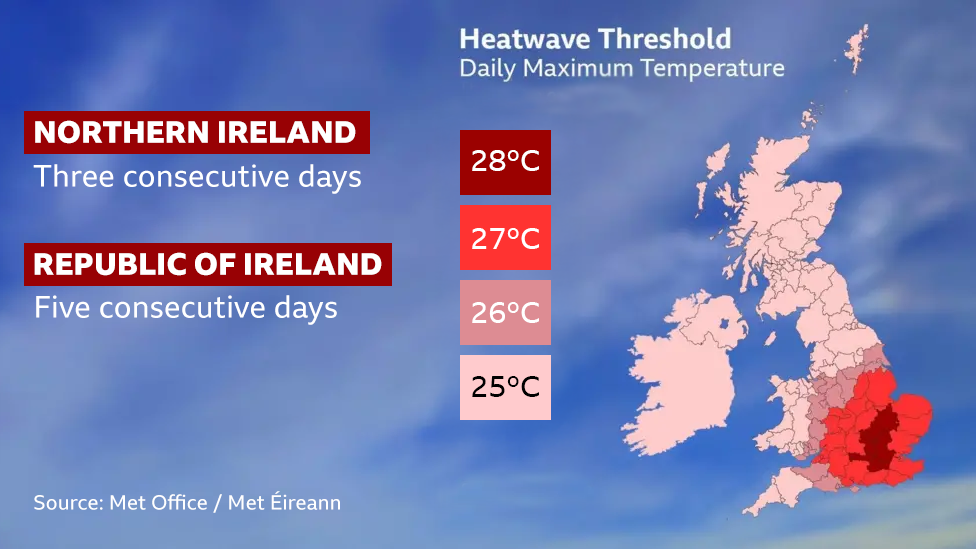
Health officials and doctors across Ireland are issuing urgent public health warnings as the country braces for a sustained heatwave that is forecast to bring temperatures as high as 30°C over the coming days, with particular concern for the elderly, young children, and those with chronic illnesses who face the greatest risk of heat stress and heatstroke. The HSE has activated its Heatwave Plan, deploying enhanced monitoring of nursing homes and residential care facilities and increasing outreach to elderly people living alone, while emergency services are warning about the heightened risk of water-related incidents as people seek to cool down in rivers, lakes, and the sea.
Background
Ireland's health system has been developing its capacity to respond to extreme heat events since the 2022 heatwave, which exposed significant gaps in the country's preparedness for sustained periods of high temperatures. The HSE's Heatwave Plan, which was developed in the aftermath of that event, sets out a structured response to heat emergencies that includes enhanced monitoring of vulnerable populations, public health messaging, and coordination with emergency services and local authorities.
The medical evidence on the health risks of extreme heat is unambiguous. Heat stress — the condition that occurs when the body is unable to cool itself effectively — can progress rapidly to heatstroke, which is a medical emergency that can be fatal if not treated promptly. The risk is greatest for older people, whose ability to regulate body temperature declines with age, and for those with chronic conditions including heart disease, diabetes, and respiratory illness, who are less able to cope with the additional physiological demands that extreme heat places on the body.
Young children are also at significant risk, particularly infants who cannot communicate their distress and who are entirely dependent on adults to keep them cool and hydrated. The risk of leaving children in hot cars — even for short periods — is a particular concern during heatwaves, and health officials are urging parents and carers to be vigilant about this danger. The temperature inside a parked car can reach dangerous levels within minutes on a hot day, even with windows slightly open.
Key Developments
The HSE's activation of its Heatwave Plan has triggered a series of specific actions across the health system. Nursing homes and residential care facilities have been contacted and asked to review their heat management protocols, ensure adequate hydration for residents, and report any concerns about the health of vulnerable residents to their local health teams. Community nurses and public health nurses have been asked to prioritise visits to elderly people living alone, particularly those who are known to have limited social contact or who live in properties that are difficult to keep cool.
The key public health advice being issued covers several areas. On hydration, people are being urged to drink water regularly throughout the day, even if they do not feel thirsty — thirst is a late indicator of dehydration, and by the time people feel thirsty they may already be mildly dehydrated. On activity, people are being advised to avoid strenuous exercise during the hottest part of the day, typically between noon and 4pm, and to move any outdoor activities to the early morning or evening. On keeping cool, people are being advised to close blinds and curtains during the day to keep homes cool, to use fans and cool showers, and to seek out air-conditioned public spaces such as libraries and shopping centres if their homes become uncomfortably hot.
The Irish Coast Guard and the RNLI have issued specific warnings about the increased risk of water-related incidents during the heatwave. The temptation to cool down in rivers, lakes, and the sea is understandable, but the risks are significant — cold water shock, strong currents, and the difficulty of judging water depth are all factors that contribute to drowning incidents during hot weather. The organisations are urging people to swim only at supervised beaches and to avoid jumping into water from heights.
Why It Matters
The public health response to the heatwave matters because the risks are real and the consequences of inadequate preparation can be fatal. The 2003 European heatwave, which killed an estimated 70,000 people across the continent, was a stark demonstration of what can happen when health systems are unprepared for extreme heat. While Ireland's climate has historically provided some protection against the worst effects of such events, the increasing frequency and intensity of heatwaves means that the country can no longer rely on its geography to insulate it from the health impacts of extreme heat.
The heatwave also raises important questions about the adequacy of Ireland's built environment for a changing climate. Most Irish homes were built without any consideration of the need to manage extreme heat — they are designed to retain warmth, not to stay cool. The result is that many homes, particularly older properties, can become dangerously hot during sustained heatwaves, with limited options for residents to cool them down. This is a particular problem for older people, who are less likely to have air conditioning and who may be reluctant to open windows for security reasons.
The broader context of climate change is also relevant. The increasing frequency of heatwaves in Ireland is one of the most visible manifestations of climate change in a country that has historically been relatively insulated from its most extreme effects. The public health response to the current heatwave is important, but it needs to be accompanied by a longer-term conversation about how Ireland adapts its built environment, its health system, and its public spaces to the realities of a warmer climate.
Local Impact
The impact of the heatwave will be felt differently in different parts of Ireland. In urban areas — Dublin, Cork, Galway, Limerick — the "urban heat island" effect means that temperatures in city centres can be several degrees higher than in the surrounding countryside, and the concentration of vulnerable people in urban areas makes the public health challenge particularly acute. Dublin City Council has opened a number of "cool spaces" — air-conditioned public buildings where people can seek refuge from the heat — and has increased the frequency of water safety patrols at the city's beaches and swimming spots.
In rural areas, the primary concern is the isolation of elderly people who may not have access to the social networks and support services that are more readily available in urban areas. Community nurses, GPs, and voluntary organisations including the Irish Red Cross and Age Action Ireland are working to identify and reach out to vulnerable individuals in rural communities, but the geographic challenges of rural Ireland make this a significant logistical challenge.
What's Next
The heatwave is expected to continue until at least the end of next week, when a change in the weather pattern is forecast to bring cooler conditions from the Atlantic. The HSE has indicated that it will maintain its enhanced monitoring and outreach throughout the warning period and will review its response as the situation evolves. Met Éireann will continue to issue updated forecasts and warnings, with the possibility of Status Orange or Status Red alerts if temperatures exceed current forecasts. The public is being urged to take the heat seriously, to follow the advice being issued by health officials, and to look out for those around them who may be most at risk.