NI Health Trusts Warn of Catastrophic Cuts as Budget Crisis and Riot Intimidation Compound Pressure
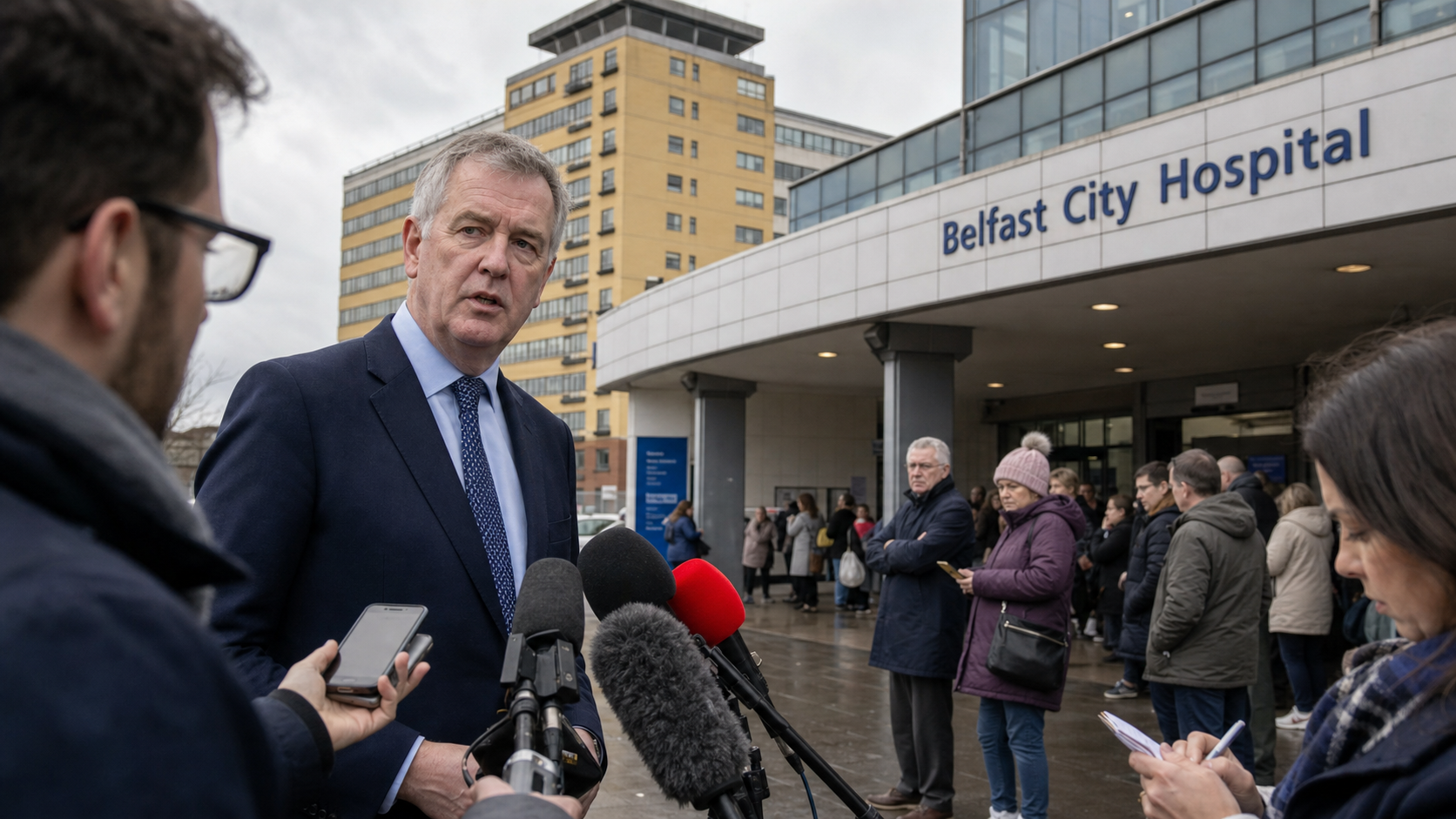
Northern Ireland's Health and Social Care trust chairpersons have delivered a stark warning to Health Minister Mike Nesbitt that achieving a break-even budget would require decisions of a catastrophic nature — including potential hospital bed closures and cuts to care packages — as the region's health system faces the simultaneous pressures of chronic underfunding, record waiting lists, and the aftermath of riots that saw international healthcare staff intimidated and prevented from reaching their workplaces.
Background
Northern Ireland's Health and Social Care system is structured around six trusts: the Belfast Health and Social Care Trust, the South Eastern Health and Social Care Trust, the Southern Health and Social Care Trust, the Western Health and Social Care Trust, the Northern Health and Social Care Trust, and the Northern Ireland Ambulance Service. Together, they employ more than 70,000 people and provide the full range of health and social care services to Northern Ireland's 1.9 million residents.
The system has been under sustained financial pressure for years, with the block grant from Westminster consistently falling short of what trust chief executives and health economists calculate is needed to maintain services at an acceptable standard. The waiting list crisis — which has seen some patients waiting up to eight years for procedures such as knee replacements — is the most visible symptom of that underfunding, but it is far from the only one. Staffing shortages, ageing infrastructure, and the growing demand from an older population are all adding to the pressure on a system that is, by any objective measure, at or beyond its capacity.
The recent anti-immigrant riots added a new and deeply troubling dimension to the challenges facing the health system. International staff — nurses, doctors, and other healthcare workers from countries including the Philippines, India, and various African nations — make up a significant proportion of the workforce in several trusts, and the intimidation they faced during the riots was not only a personal trauma but a direct threat to the system's ability to function.
Key Developments
The trust chairpersons' warning to Minister Nesbitt was delivered in a formal submission that outlined the financial choices facing the trusts if they are required to achieve a break-even position within the current budget allocation. The submission identified potential measures including the closure of hospital beds, reductions in care packages for elderly and disabled people, cuts to community health services, and delays to capital investment projects. The chairpersons described these measures as catastrophic in their potential impact on patients and communities, and called on the Minister to secure additional funding from the Executive before any such decisions are implemented.
The government has ringfenced 80 million pounds to tackle the most urgent waiting list cases, and the recent 185.4 million pound reserve claim from the Treasury will provide some additional capacity for the Health department. However, trust chief executives have been clear that these measures, while welcome, do not resolve the fundamental structural deficit in the health budget. The joint statement from the six trust chief executives condemning the intimidation of international staff during the riots was a significant intervention. The statement described the behaviour as completely unacceptable and noted that healthcare workers had been prevented from reaching their workplaces by masked men at makeshift checkpoints — a situation that directly threatened patient safety.
Why It Matters
The dual crisis facing Northern Ireland's health system — financial and reputational — is a matter of genuine urgency. The financial crisis has been building for years and is now at a point where the choices available to trust managers are all bad: cut services, close beds, or run deficits that are unsustainable in the long term. The intimidation of international staff during the riots adds a new and deeply concerning dimension, raising questions about whether Northern Ireland can continue to recruit the overseas healthcare workers it depends on if those workers face racial hostility in the communities where they live and work.
Northern Ireland's health system is more dependent on international recruitment than almost any other part of the United Kingdom. The nursing and medical workforce includes significant numbers of staff from the Philippines, India, Nigeria, and other countries, and without that international recruitment, the system would face an immediate and severe staffing crisis. The riots have damaged Northern Ireland's reputation as a welcoming destination for international workers, and the long-term consequences of that reputational damage — in terms of recruitment and retention — could be severe. The combination of financial pressure and reputational damage creates a vicious circle: underfunding leads to poor working conditions, which makes it harder to recruit and retain staff, which leads to further service pressures.
Local Impact
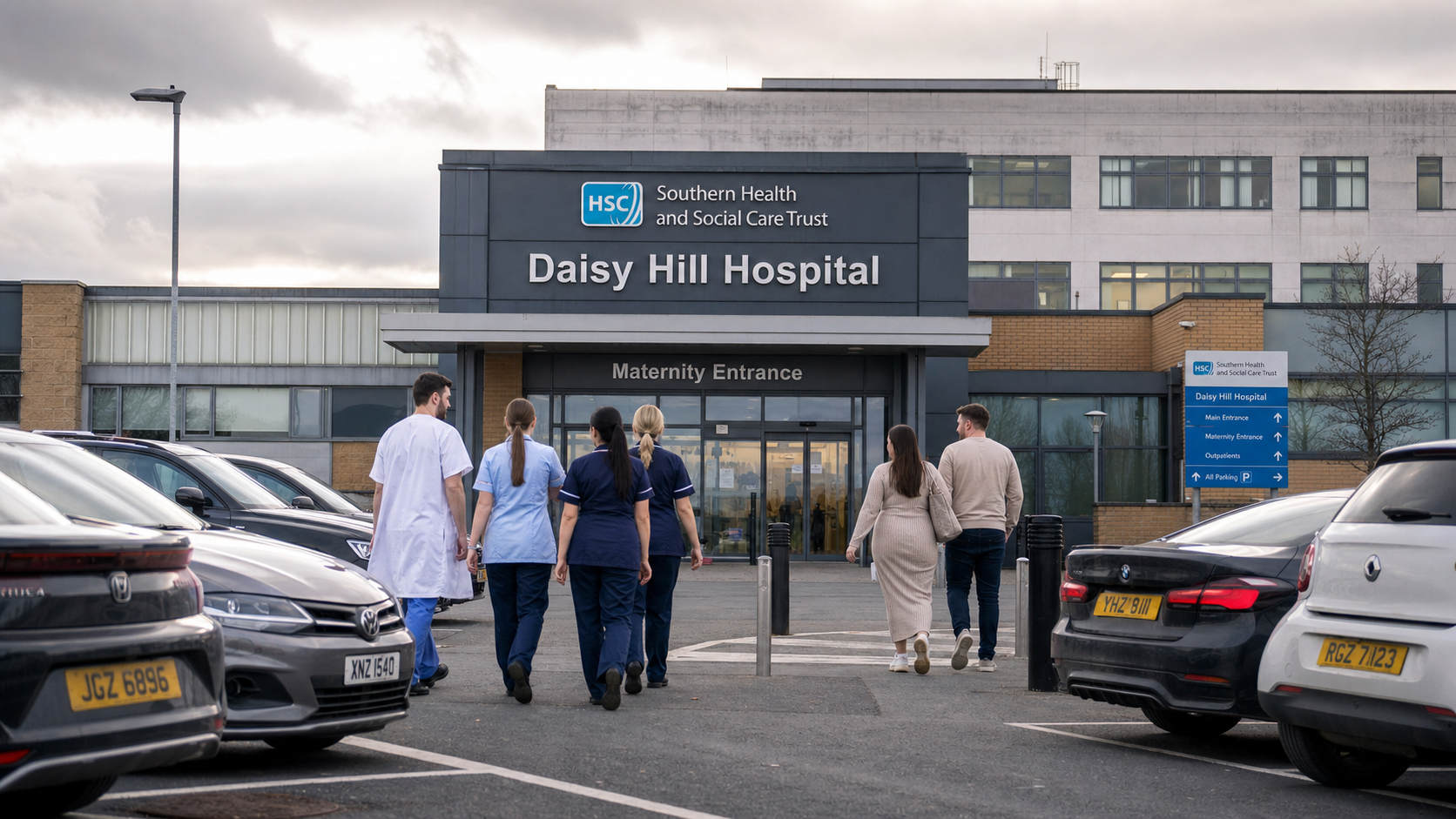
The impact of the health system's financial crisis is felt differently across Northern Ireland's five trust areas. In the Western Trust area — covering Derry, Strabane, Omagh, and Enniskillen — the combination of geographic remoteness and staffing shortages has created particular challenges, with some services available only at Altnagelvin Hospital in Derry or at the South West Acute Hospital in Enniskillen. In the Southern Trust area, the recent suspension of maternity services at Daisy Hill Hospital in Newry highlighted the fragility of specialist services in smaller hospitals. In Belfast, the Belfast Trust manages the largest and most complex portfolio of services, including the Royal Victoria Hospital, the Belfast City Hospital, and the Mater Hospital, and the financial pressure on those facilities is acute.
What's Next
Health Minister Nesbitt is expected to respond formally to the trust chairpersons' submission within the next four weeks, setting out the government's position on the budget situation and any additional measures it is prepared to take. The Executive's health committee will hold a special session in July to examine the financial position of the trusts and to hear evidence from trust chief executives. The PSNI's investigation into the intimidation of healthcare workers during the riots is ongoing, and the Minister has committed to ensuring that any staff who were affected have access to appropriate support and counselling.