NI Health Minister Announces Independent Reconfiguration Committee to Scrutinise Hospital Service Changes
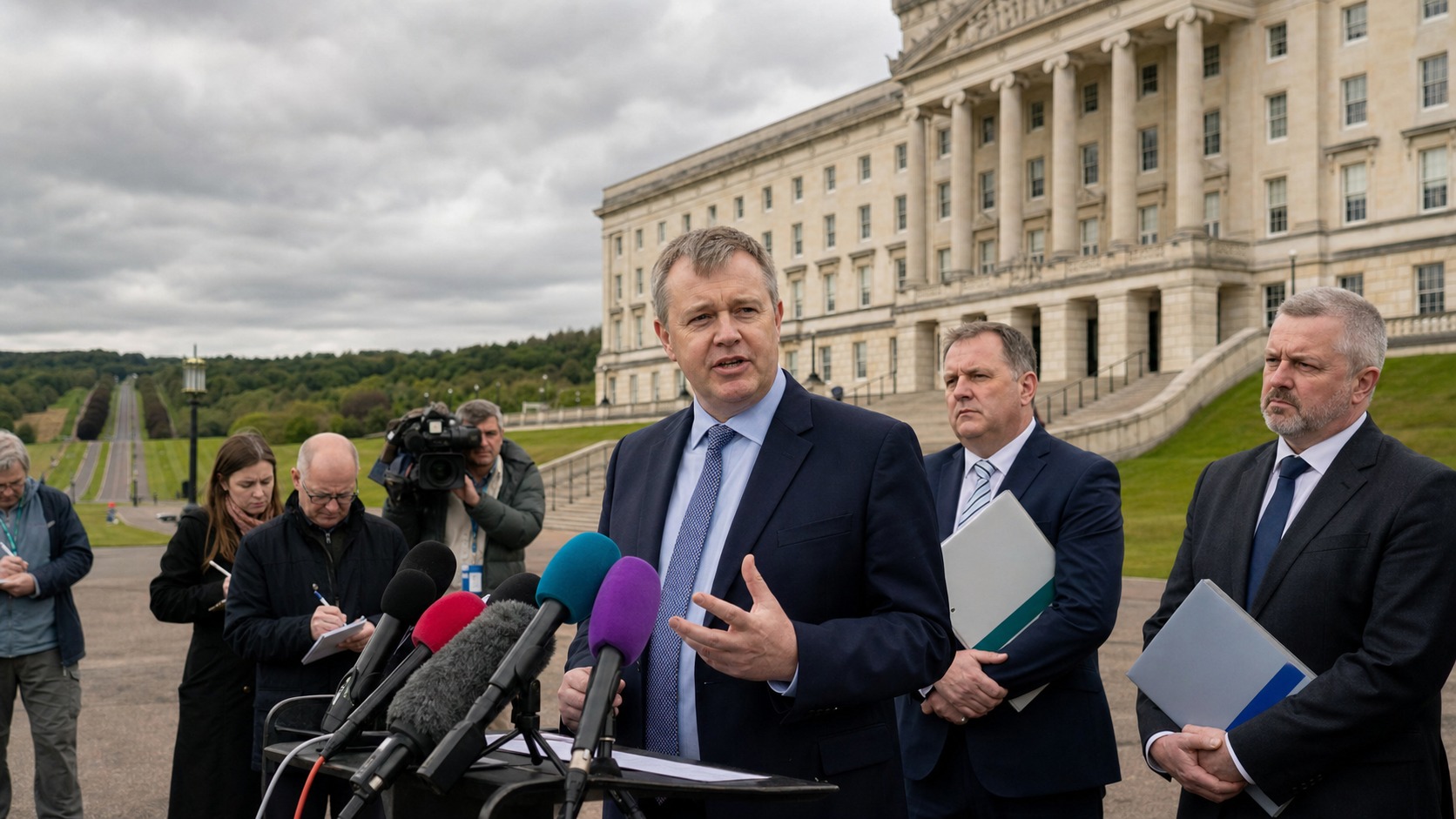
Northern Ireland Health Minister Robbie Butler has announced the creation of an independent Reconfiguration Committee tasked with providing rigorous scrutiny of proposals for permanent changes to health and social care services across the region. The committee, which will be composed of health professionals recruited from outside Northern Ireland to ensure impartiality, follows months of controversy over the proposed reconfiguration of emergency general surgery at Causeway Hospital — a dispute that contributed to the resignation of Butler's predecessor, Mike Nesbitt, earlier this year.
Background
The question of how to reconfigure Northern Ireland's hospital services has been one of the most contentious issues in health policy for more than a decade. The region's five health and social care trusts — Belfast, South Eastern, Southern, Western, and Northern — operate a network of acute hospitals that was designed for a different era, when population patterns, clinical practice, and transport infrastructure were all very different from today. Successive reviews have recommended consolidating specialist services at fewer sites to improve patient outcomes and make better use of scarce clinical expertise, but implementation has been repeatedly delayed by political opposition and community resistance.
The most recent flashpoint was the proposal to end emergency general surgery at Causeway Hospital in Coleraine, which serves communities across north Antrim and the Causeway Coast. The Northern Health and Social Care Trust argued that the service was clinically unsustainable due to staffing difficulties, but the proposal provoked fierce opposition from local politicians and community groups, who argued that it would leave patients in a large rural area without timely access to emergency surgical care. The controversy ultimately contributed to the resignation of Health Minister Mike Nesbitt, who had been unable to resolve the impasse.
Robbie Butler, who succeeded Nesbitt as Health Minister, has been working since his appointment to find a way forward that commands broader confidence. The Reconfiguration Committee is his response to the central problem: that decisions about hospital services have been made in a way that has failed to carry public trust, with communities feeling that evidence has been selectively presented and that their concerns have not been genuinely heard.
Key Developments
The Reconfiguration Committee will be tasked with providing the Health Minister with independent advice on major or controversial proposals for permanent changes to health and social care services. Its remit goes beyond simply reviewing the evidence presented by trusts and the Department of Health: it will perform rigorous scrutiny of the data underpinning service reconfiguration proposals, including findings from previous public consultations, reports from Royal Colleges, and recommendations from the Getting It Right First Time programme.
Minister Butler has committed to publishing the advice provided by the committee, a transparency measure designed to rebuild public confidence in the decision-making process. The committee will be composed of independent health professionals recruited from outside Northern Ireland, a deliberate choice intended to insulate the process from the local political pressures that have complicated previous reviews.
The announcement has received a mixed reception. Dr Alan Stout, chair of the BMA Northern Ireland Council, expressed surprise that the BMA had not been consulted, and warned that the committee risked adding an unnecessary layer of review at a time when health services are under severe strain. DUP spokesperson Diane Dodds and Alliance MLA Nuala McAllister both criticised the move as a delay tactic that avoids taking the difficult decisions that clinicians and managers have been calling for. Sinn Féin MLA Philip McGuigan, chair of the Stormont Health Committee, offered a more cautious welcome, saying the committee could help restore public confidence provided it remains genuinely independent.
Why It Matters
The Reconfiguration Committee matters because the alternative — continuing to make decisions about hospital services through a process that has repeatedly failed to carry public trust — is not sustainable. Northern Ireland's health system is under severe pressure: waiting lists are among the longest in the United Kingdom, staffing shortages are acute, and the capital infrastructure of many hospitals is ageing. Without the ability to make and implement difficult decisions about where services are located, the system will continue to deteriorate.
The committee is not a solution in itself — it is a mechanism for generating advice that the minister can act on with greater confidence. Whether it succeeds will depend on the quality of its membership, the rigour of its process, and, ultimately, the willingness of the Executive to implement its recommendations even when they are politically uncomfortable. The history of health reconfiguration in Northern Ireland suggests that the last of these is the hardest challenge.
Local Impact
For communities served by hospitals that have been the subject of reconfiguration proposals — including Causeway Hospital in Coleraine, Daisy Hill Hospital in Newry, and the South West Acute Hospital in Enniskillen — the announcement of the committee will be received with a mixture of relief and scepticism. Relief, because it suggests that decisions will not be rushed through without proper scrutiny; scepticism, because communities have seen previous reviews come and go without resolving the underlying issues. The Western Health and Social Care Trust, which serves Derry/Londonderry, Fermanagh, and Tyrone, has been particularly affected by staffing difficulties and service pressures, and will be watching the committee's work closely.
What's Next
The Department of Health is expected to announce the membership of the Reconfiguration Committee in the coming weeks, with the first meeting anticipated before the end of October 2026. The committee will initially focus on the Causeway Hospital emergency surgery question, which remains unresolved, before moving on to other reconfiguration proposals across the region. Minister Butler has indicated that he expects the committee to provide its first advice within three months of its establishment.