Health 2 min read

NHS Workforce Crisis Deepens as Doctors' Pay Falls 25% in Real Terms Since 2008

The NHS workforce crisis has deepened, with resident doctors' real-terms pay having fallen by 25% since 2008, prompting BMA strike action from 7-13 April 2026. The crisis is compounded by record GP appointment numbers but the lowest share of NHS budget going to general practice in a decade.

Titanic NewsSaturday, 18 April 202616 views
NHS Workforce Crisis Deepens as Doctors' Pay Falls 25% in Real Terms Since 2008

NHS Workforce Crisis Deepens as Doctors' Pay Falls 25% in Real Terms Since 2008

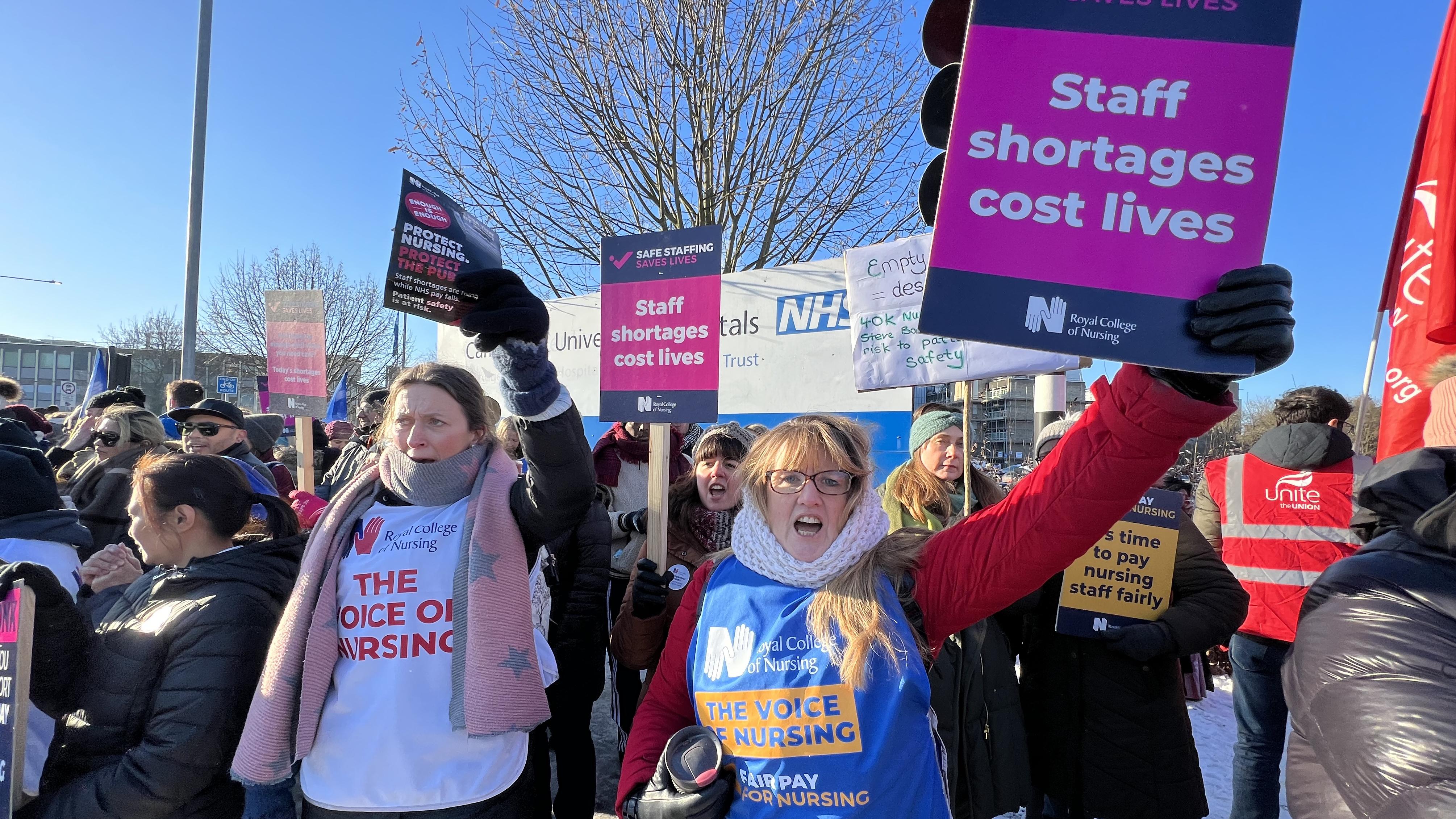
The NHS is contending with a profound workforce crisis, with resident doctors' real-terms pay having fallen by as much as 25% since 2008, prompting the British Medical Association to call strike action and raising serious concerns about the long-term sustainability of the health service's workforce.

Background

The NHS workforce has been under severe strain for several years, with recruitment challenges, high rates of burnout, and significant numbers of staff leaving the profession or emigrating to work in other countries. Pay has been a central issue, with health workers arguing that their earnings have failed to keep pace with inflation over more than a decade.

Key Developments

A comprehensive analysis of the state of UK health in 2026 has highlighted the severity of the workforce crisis facing the NHS. Resident doctors' real-terms pay has fallen by as much as 25% since 2008, a figure that the British Medical Association (BMA) has cited as a key driver of industrial action. The BMA announced a period of strike action by resident doctors from 7 to 13 April 2026, which significantly impacted service delivery across England.

The pressure on the workforce is compounded by the lowest proportion of the NHS budget in a decade being allocated to general practice, despite GP teams delivering a record 390.1 million appointments in the past year. This combination of falling pay, increasing workload, and inadequate resources has created a toxic environment that is driving experienced staff out of the profession.

Why It Matters

The NHS workforce crisis has direct consequences for patients. Longer waiting times, reduced access to GP appointments, and the loss of experienced clinicians all affect the quality and timeliness of care. The elective care waiting list in England stood at 7.25 million as of April 2026, and key targets for emergency care, cancer treatment, and referral-to-treatment times continue to be missed. Without addressing the root causes of the workforce crisis β€” particularly pay β€” the NHS risks a downward spiral of declining capacity and worsening outcomes.

What's Next

The government faces difficult decisions about NHS pay in the context of broader public sector spending constraints. The BMA has indicated that further industrial action remains possible if pay disputes are not resolved. NHS England is also exploring workforce planning reforms to improve retention and recruitment. For more, see Wecovr Health Report 2026.

What's Your Take?

NHSdoctors strikeBMANHS workforcehealth crisis

Related Stories

NHS Bowel Cancer Screening Programme Has Detected 70,000 Cancers Since Launch, NHS England Reports
Health

NHS Bowel Cancer Screening Programme Has Detected 70,000 Cancers Since Launch, NHS England Reports

NHS England has announced that its bowel cancer screening programme has detected 70,000 cancers since its launch, with nearly 7 million people screened in 2024/25 β€” up from 4.7 million a decade ago. The milestone comes as the NHS also launches its spring COVID-19 vaccination programme for over-75s and immunosuppressed individuals. The GLP-1 drug semaglutide is also set to become available on the NHS to prevent heart attacks and strokes for 1.2 million people.

Titanic News
3 min read21 Apr 2026
NHS Launches Spring COVID-19 Vaccination Programme for Over-75s and Vulnerable Groups
Health

NHS Launches Spring COVID-19 Vaccination Programme for Over-75s and Vulnerable Groups

The NHS has launched its 2026 spring COVID-19 vaccination programme, offering protection to individuals aged 75 and over, older care home residents, and immunosuppressed individuals. Tens of thousands of appointments are available daily at GP practices and community pharmacies across England. The programme runs alongside a new RSV vaccination initiative for older adults aimed at preventing thousands of annual hospital admissions.

Titanic News
3 min read21 Apr 2026
NHS Launches Spring COVID-19 and RSV Vaccination Drives for Millions of Vulnerable People
Health

NHS Launches Spring COVID-19 and RSV Vaccination Drives for Millions of Vulnerable People

The NHS has launched its spring vaccination campaigns, offering COVID-19 boosters to those aged 75 and over, care home residents, and immunocompromised individuals, while rolling out a new RSV vaccine for adults aged 80 and over. The dual drive targets the most vulnerable groups ahead of the next respiratory virus season.

Titanic News
2 min read20 Apr 2026
Legionnaires' Disease Outbreak Under Investigation in London as Cases Rise
Health

Legionnaires' Disease Outbreak Under Investigation in London as Cases Rise

The UK Health Security Agency is investigating an unusual Legionnaires' Disease outbreak in London, with eight confirmed cases sharing an identical genetic sequence in North West and South West London and 13 further cases under investigation. No common source has been identified, and authorities are implementing urgent control measures including cooling tower inspections and shock-dosing.

Titanic News
2 min read20 Apr 2026