NHS Bowel Cancer Screening Programme Has Detected 70,000 Cancers Since Launch, NHS England Reports
NHS England has announced that its bowel cancer screening programme has detected 70,000 cancers since its inception, with nearly 7 million people screened in 2024/25 alone — a landmark milestone that underscores the life-saving impact of one of the health service's most successful preventative programmes.
Background
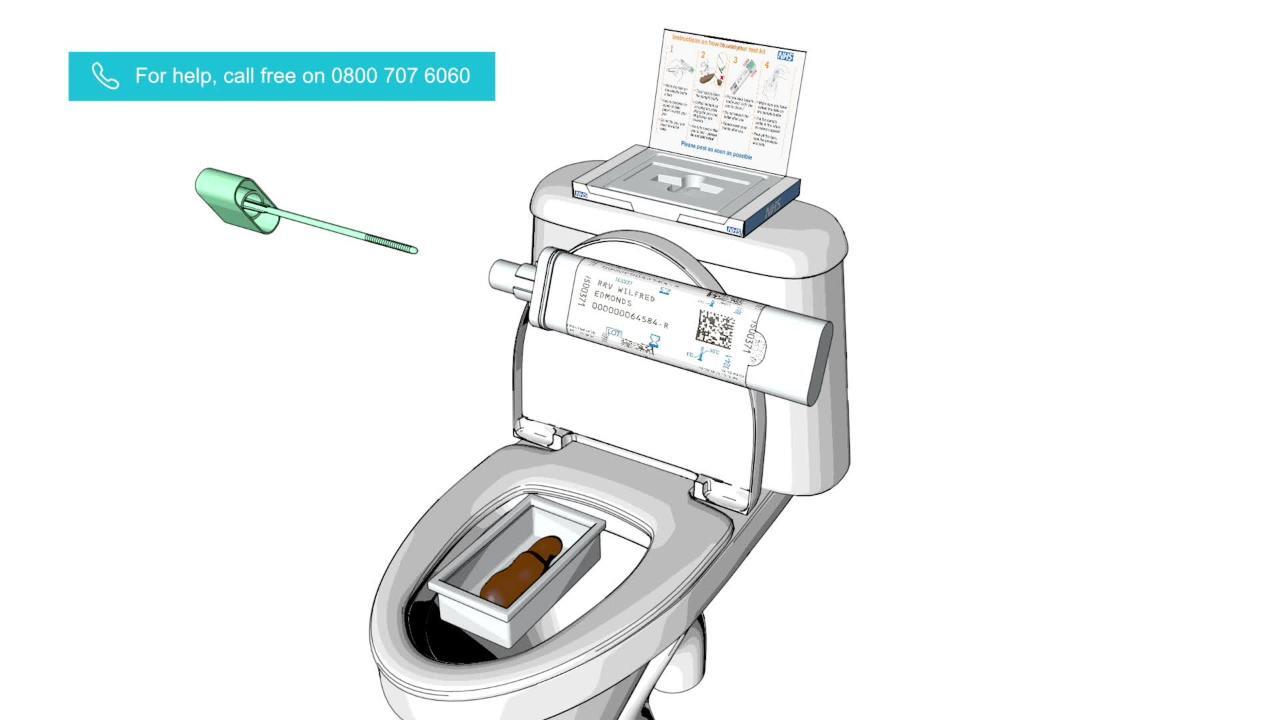
The NHS bowel cancer screening programme was introduced to detect bowel cancer at an early stage, when treatment is most likely to be successful. The programme uses a Faecal Immunochemical Test (FIT) kit, which can be completed at home and returned by post. Bowel cancer is the fourth most common cancer in the UK and the second biggest cancer killer, making early detection critical to improving survival rates.
Key Developments
NHS England's latest figures show that nearly 7 million people underwent bowel cancer screening in 2024/25, a substantial increase from 4.7 million in 2014/15. Over the past two decades, the programme has detected 70,000 cancers, with a total of almost 85 million people screened since its launch. An additional 270,000 individuals are now under regular surveillance due to screening results indicating vulnerability to the disease.
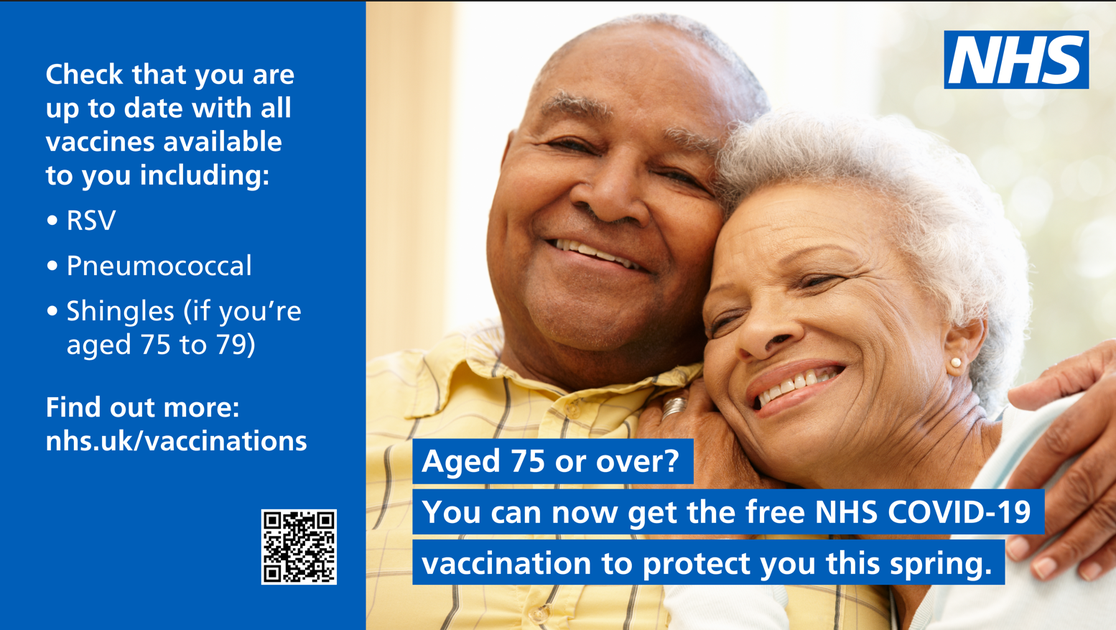
The announcement comes as the NHS also launches its spring COVID-19 vaccination programme for vulnerable groups, including individuals aged 75 and over, older care home residents, and immunosuppressed individuals. Tens of thousands of appointments are available daily at GP practices and community pharmacies. The health service is also rolling out a new vaccination initiative against Respiratory Syncytial Virus (RSV) for older adults, which aims to prevent thousands of annual hospital admissions.
In a significant development for cardiovascular health, the GLP-1 drug semaglutide (Wegovy) is set to become available on the NHS to help prevent heart attacks and strokes for 1.2 million people with cardiovascular disease — a move that could transform the management of heart disease in the UK.
Why It Matters
The bowel cancer screening figures represent a major public health success story. Early detection of bowel cancer dramatically improves survival rates — when caught at the earliest stage, more than 90% of patients survive for five years or more. The programme's expansion over the past decade reflects the NHS's commitment to preventative health, even as the service faces significant pressures in other areas.
What's Next
NHS England is expected to continue expanding the screening programme, with a focus on reaching under-screened communities. The spring COVID-19 vaccination programme will run through April and May, with eligible individuals urged to book their appointments as soon as possible.
Sources: NHS England; NHS Confederation; UK Health Security Agency