NHS Resident Doctors' Strike Ends After Six Days as Pay Dispute Remains Unresolved
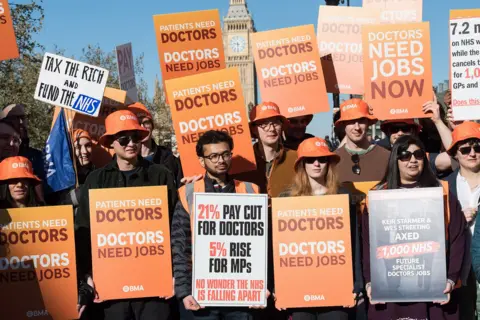
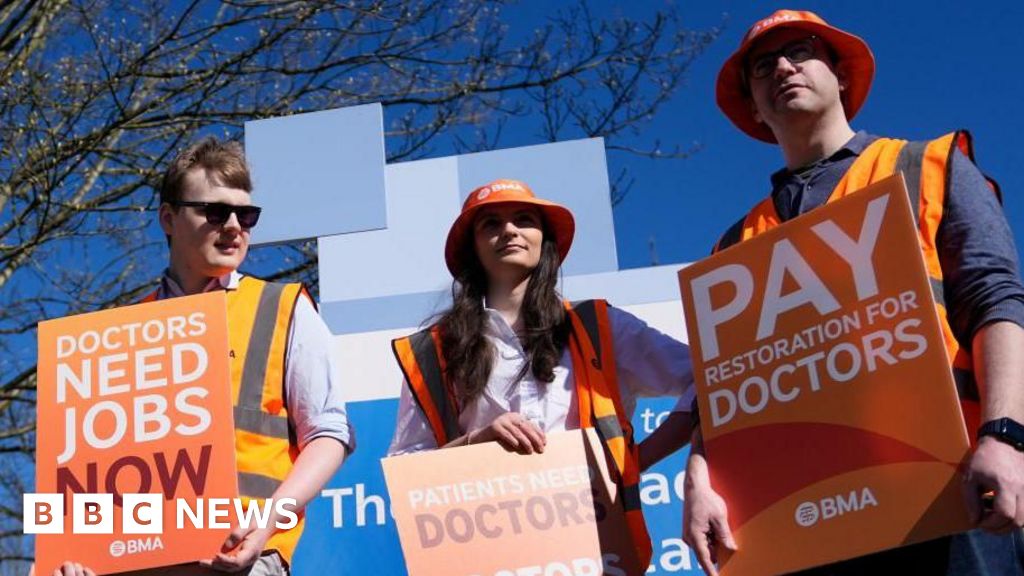
A six-day strike by resident doctors in England came to an end at 7am on Monday 13 April, with the British Medical Association and the government still far apart on pay — leaving the NHS facing the prospect of further industrial action after the 15th walkout since March 2023.
The strike, which began on 7 April, is estimated to have cost the NHS £300 million, bringing the total cost of all resident doctor strikes since 2023 to more than £3 billion. Health Secretary Wes Streeting thanked NHS staff for their "heroic" response in maintaining patient safety during the walkout, but reiterated that the government had gone as far as it could with its pay offer.
Background
The dispute centres on the BMA's demand for full pay restoration to 2008 levels, adjusted for inflation. The union calculates that resident doctors have suffered a 21% real-terms pay cut since 2008 using the Retail Price Index. The government's most recent offer included a 3.5% pay uplift spread over three years and an average basic pay rise of 4.9%, which the BMA rejected as insufficient, describing it as a proposal that "at best, barely treads water."
Key Developments
During the strike, the NHS urged the public to continue accessing GP and dental appointments as normal unless contacted for rescheduling. Urgent and emergency services remained open, with staffing focused on life-saving care. NHS England deployed specialist teams to tackle "corridor care" at the worst-affected trusts.
The strike ballot had been backed by 93.40% of BMA members on a 52.54% turnout, reflecting the depth of feeling within the profession. Dr Jack Fletcher, chair of the BMA's Resident Doctors Committee, accused the government of having "shifted the goalposts" in negotiations, reducing the value of the pay element and spreading it over three years.
Separately, research published this week found that private firms providing services to the NHS made £1.6 billion in profit over two years, prompting MPs to describe the figures as "scandalous" and call for a cap on private sector earnings from NHS contracts.
Why It Matters
The ongoing dispute is symptomatic of a deeper crisis in NHS workforce retention and morale. With waiting lists for elective care in England standing at 7.25 million and the constitutional 18-week standard unmet since 2016, the NHS cannot afford prolonged periods of industrial action. Each strike adds to the backlog and erodes public confidence in the health service.
The government's 10-Year Health Plan, which aims to shift care to the community and embrace digital technology, will be difficult to deliver without the active engagement of a motivated medical workforce.
What's Next
The BMA has indicated it remains open to further negotiations if the government brings a new proposal that meaningfully addresses pay restoration. However, with both sides entrenched, further strike action in the coming months appears likely unless a breakthrough is achieved. The government's decision to withdraw 1,000 additional training places — offered as part of a previous deal — when the BMA proceeded with strikes has further poisoned the atmosphere between the two sides.