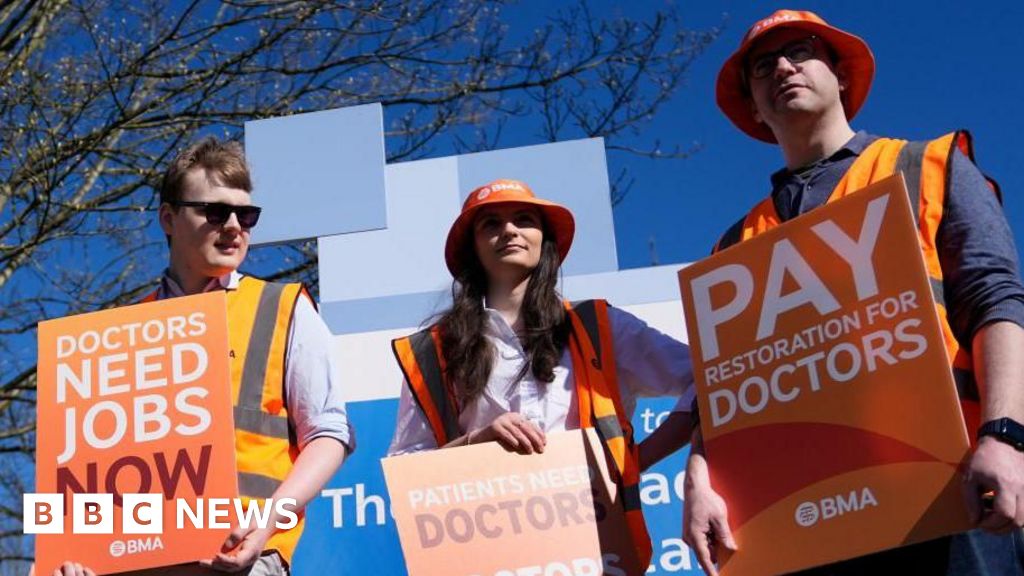
NHS Resident Doctor Strike Ends as Health Secretary Urges BMA to Return to Pay Talks
A six-day strike by resident doctors in England came to an end at 6:59am on Monday 13 April, with Health Secretary Wes Streeting thanking NHS staff for their "round-the-clock efforts" during the industrial action while urging the British Medical Association to meet with him to discuss the rejected pay deal.
The walkout, which began on Tuesday 7 April, caused significant disruption to routine appointments and planned procedures across England, with the Department of Health and Social Care estimating the cost to the NHS at £300 million — contributing to an estimated total of over £3 billion from all strikes since 2023. Despite the disruption, NHS England reported that 95% of planned care was maintained throughout the action.
Background
The BMA's Resident Doctors Committee called the strike as part of an ongoing national dispute over pay, conditions, and employment, with their mandate for industrial action extending until August 2026. The government's final offer included a 4.9% increase in average basic pay — a figure the BMA rejected as insufficient to address what it describes as a 25% real-terms pay erosion since 2008. The dispute has now cost the NHS billions of pounds and led to the cancellation of hundreds of thousands of appointments.
Key Developments
Throughout the strike, NHS staff including consultants, nurses, and allied health professionals worked to maintain safe services, prioritising emergency and life-saving care. GP practices, pharmacies, NHS 111 online, and emergency care services remained available throughout. Professor Ramani Moonesinghe, national clinical director for critical and perioperative care at NHS England, praised the "heroic efforts" of staff in keeping patients safe.
In a separate development on Monday, the Department of Health and Social Care announced that NHS patients would receive quicker tests and scans closer to home, with the confirmation of locations for 40 new and expanded urgent care sites across England, backed by £215.5 million. Health Secretary Streeting described the investment as part of a broader effort to ensure that diagnosis "shouldn't be a question of luck."
The NHS is also rolling out the Wegovy weight-loss drug (semaglutide) to 1.2 million people with cardiovascular disease to help prevent heart attacks and strokes, and millions of older people have become eligible for the NHS RSV vaccine to prevent serious lung infections.
Why It Matters
The resident doctors' dispute is one of the most significant industrial relations challenges facing the NHS in a generation. With the BMA's mandate for action running until August, the risk of further strikes remains real. For patients across England, the immediate priority is the recovery of the backlog of cancelled appointments — a task that will take months and significant additional resources to address.
What's Next
Streeting has called on the BMA's Resident Doctors Committee to meet with him to discuss the rejected deal. The BMA has not yet responded publicly to the invitation. The next scheduled meeting of the NHS Pay Review Body is expected in May. For the latest updates, see the Mirror's coverage of the strike's end.