New Law Could Bar Young People from Buying Vapes and Cigarettes as Dáil Considers Generational Ban
The Irish government is actively considering legislation that could permanently bar young people from ever legally purchasing vapes or cigarettes — a so-called generational ban that would ensure that as today's teenagers age, they never reach the legal age to buy nicotine products, mirroring legislation already enacted in the United Kingdom and reflecting a significant hardening of public health policy on smoking and vaping.
Background
Ireland has been on a long trajectory toward a tobacco-free society. The country was a pioneer in smoking bans, introducing the world's first comprehensive workplace smoking ban in 2004, and successive governments have maintained a commitment to reducing smoking rates through a combination of taxation, advertising restrictions, and public health campaigns. The results have been significant: smoking rates in Ireland have fallen substantially over the past two decades, though they remain higher than in some comparable European countries.
The rise of vaping has complicated this picture. E-cigarettes were initially promoted as a harm-reduction tool for existing smokers, and there is evidence that they can be effective in helping people quit tobacco. But the explosion in vaping among young people — many of whom have never smoked cigarettes — has created a new public health challenge. The flavoured, brightly packaged devices that dominate the market have proven particularly attractive to teenagers, and there is growing evidence of nicotine addiction among young people who have never touched a cigarette.
The government's response has been incremental but accelerating. In July 2026, new rules came into force banning the use of e-scooters by under-18s and introducing mandatory helmet requirements — a sign of the government's willingness to use age-based restrictions to address public health concerns. The vaping legislation now under consideration would represent a far more sweeping intervention.
Key Developments
The Public Health (Tobacco Products and Nicotine Inhaling Products) (Amendment) Bill 2026 has already passed through the Dáil and is undergoing further legislative processing. This bill introduces comprehensive restrictions on vape flavours — limiting them to tobacco or non-flavoured options — and mandates stricter controls on packaging, advertising, and point-of-sale display. It also extends controls to nicotine pouches and prohibits the sale of devices that resemble toys or games.
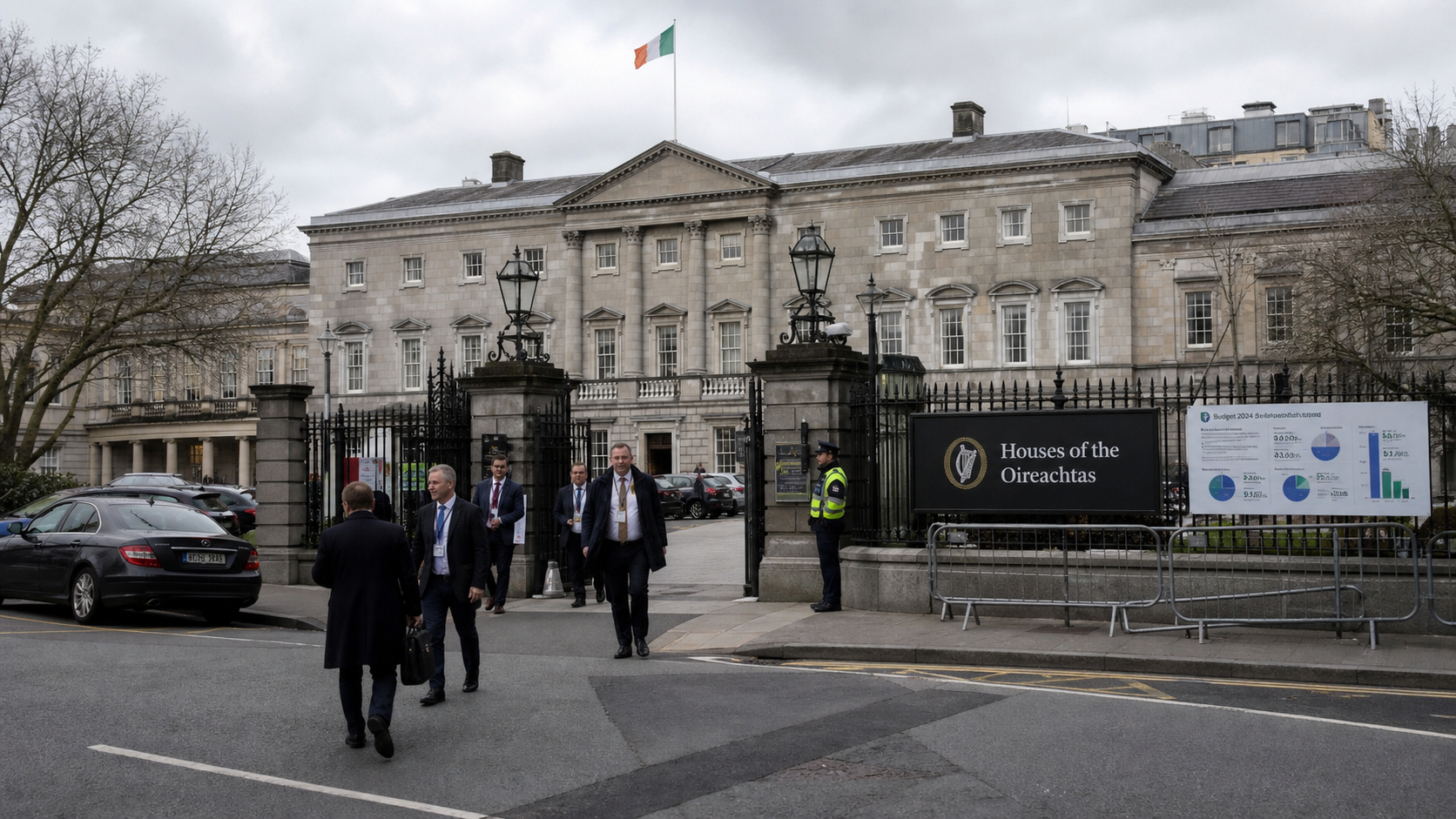
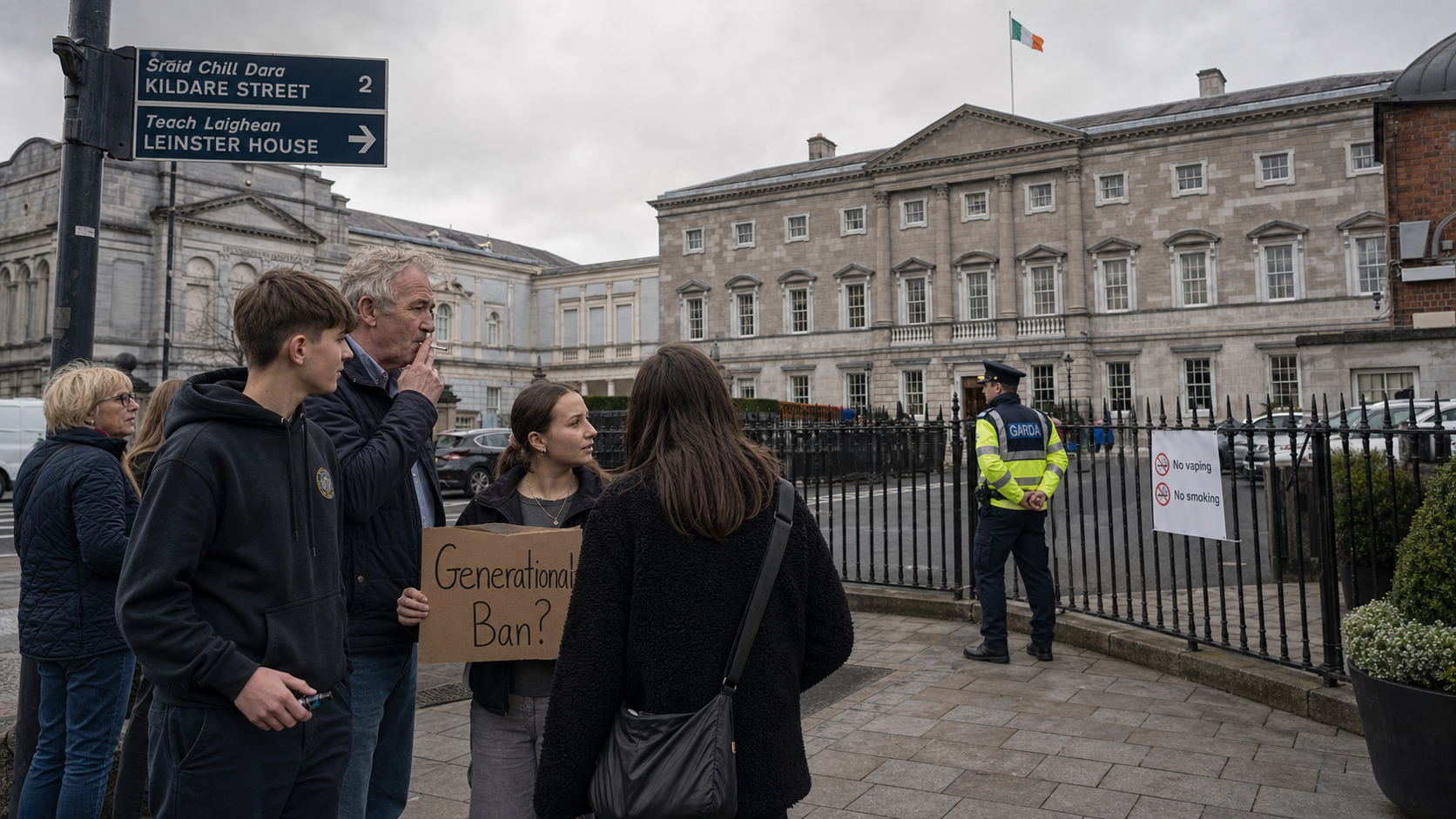
The more radical proposal — a generational ban — has been introduced as a private member's bill by Fianna Fáil TD Malcolm Byrne. The bill would prohibit the sale of tobacco and nicotine-inhaling products to anyone born after a specific date, meaning that as the years pass, the cohort of people legally entitled to purchase these products would shrink rather than grow. The UK introduced equivalent legislation in 2023, applying to anyone born on or after January 1, 2009. The Department of Health is now reviewing whether to incorporate a similar provision into government legislation.
Why It Matters
A generational ban on tobacco and nicotine products would be one of the most significant public health interventions in Irish history. If enacted and enforced effectively, it would represent a genuine attempt to eliminate smoking and vaping from Irish society over the course of a generation — not by prohibition, but by ensuring that the pool of people legally entitled to purchase these products gradually disappears. The public health case is strong: smoking remains the leading preventable cause of death in Ireland, responsible for approximately 5,500 deaths per year. Vaping, while less harmful than smoking, is not harmless, and the normalisation of nicotine addiction among young people is a serious concern.
The political case is more complex. Tobacco and nicotine products generate significant excise revenue for the state, and the retail sector has raised concerns about the enforceability of a generational ban. There are also questions about the extent to which such a ban would drive the market underground, with young people obtaining products through informal channels rather than licensed retailers.
Local Impact
For retailers across Ireland — from corner shops in Dublin's Liberties to convenience stores in Cork's Northside and Galway's Westside — the proposed legislation raises practical questions about age verification and enforcement. The existing requirement to verify the age of customers purchasing tobacco and nicotine products is already a source of friction, and a generational ban would add a further layer of complexity. The Revenue Commissioners would need to develop new systems for tracking which cohorts of the population are legally entitled to purchase these products, and An Garda Síochána would need to be resourced to enforce the ban. The HSE's tobacco cessation services are likely to see increased demand as the legislation progresses, and additional investment in these services will be required.
What's Next
The Department of Health is expected to publish its assessment of the generational ban proposal before the end of 2026, with a decision on whether to incorporate it into government legislation likely to be made in the context of the autumn legislative programme. The Public Health (Tobacco Products and Nicotine Inhaling Products) (Amendment) Bill 2026 is expected to complete its passage through the Oireachtas before the end of the year. Minister for Health Jennifer Carroll MacNeill has indicated strong personal support for robust action on vaping and tobacco, and the political momentum behind the generational ban appears to be building across party lines.