Government Launches Comprehensive Diaspora Strategy for 2026-2030
The Irish government has launched its Diaspora Strategy 2026-2030, a comprehensive five-year plan to support Irish emigrants and communities around the world, with a particular focus on tackling isolation among older emigrants, improving consular services for those in difficulty, and strengthening the connections between Ireland and its global diaspora. The strategy, which was developed by the Department of Foreign Affairs in consultation with Irish community organisations worldwide, sets out a range of commitments and targets for the coming five years.
Ireland has one of the largest diasporas in the world relative to its population, with an estimated 70 million people of Irish descent living outside the country. The Irish community abroad ranges from recent graduates who have emigrated in search of better opportunities to elderly emigrants who left Ireland decades ago and who may now be facing the challenges of ageing in a foreign country without the support of family and community.
Tackling Emigrant Isolation
One of the central themes of the new strategy is the issue of isolation among older Irish emigrants, particularly those living in the United Kingdom, the United States, and Australia. Research has shown that many older Irish emigrants experience significant loneliness and social isolation, particularly those who have lost their spouses or who have seen their social networks diminish as they have aged.
The strategy commits to increased funding for Irish community organisations that provide social and welfare support to older emigrants, including day centres, befriending services, and emergency financial assistance. It also commits to the development of new digital tools to help older emigrants stay connected with their communities and with Ireland, and to the expansion of the Emigrant Support Programme, which provides funding to Irish organisations abroad.
Consular Services and Support
The strategy also addresses the issue of consular support for Irish citizens abroad who find themselves in difficulty. The number of consular cases handled by Irish embassies and consulates has increased significantly in recent years, driven by a combination of increased emigration and the growing complexity of the situations that Irish citizens abroad can find themselves in.
The strategy commits to a review of consular services to ensure that they are adequately resourced and that Irish citizens abroad can access help quickly and effectively when they need it. It also commits to the development of better information resources for Irish emigrants, including a comprehensive online portal providing information on a range of topics relevant to living abroad.
Strengthening Diaspora Connections
Beyond the welfare dimension, the strategy also seeks to strengthen the economic and cultural connections between Ireland and its diaspora. It commits to the development of a diaspora investment programme, designed to channel diaspora capital into Irish businesses and projects, and to the expansion of cultural and educational programmes that help to maintain Irish identity and culture among second and third-generation emigrants.
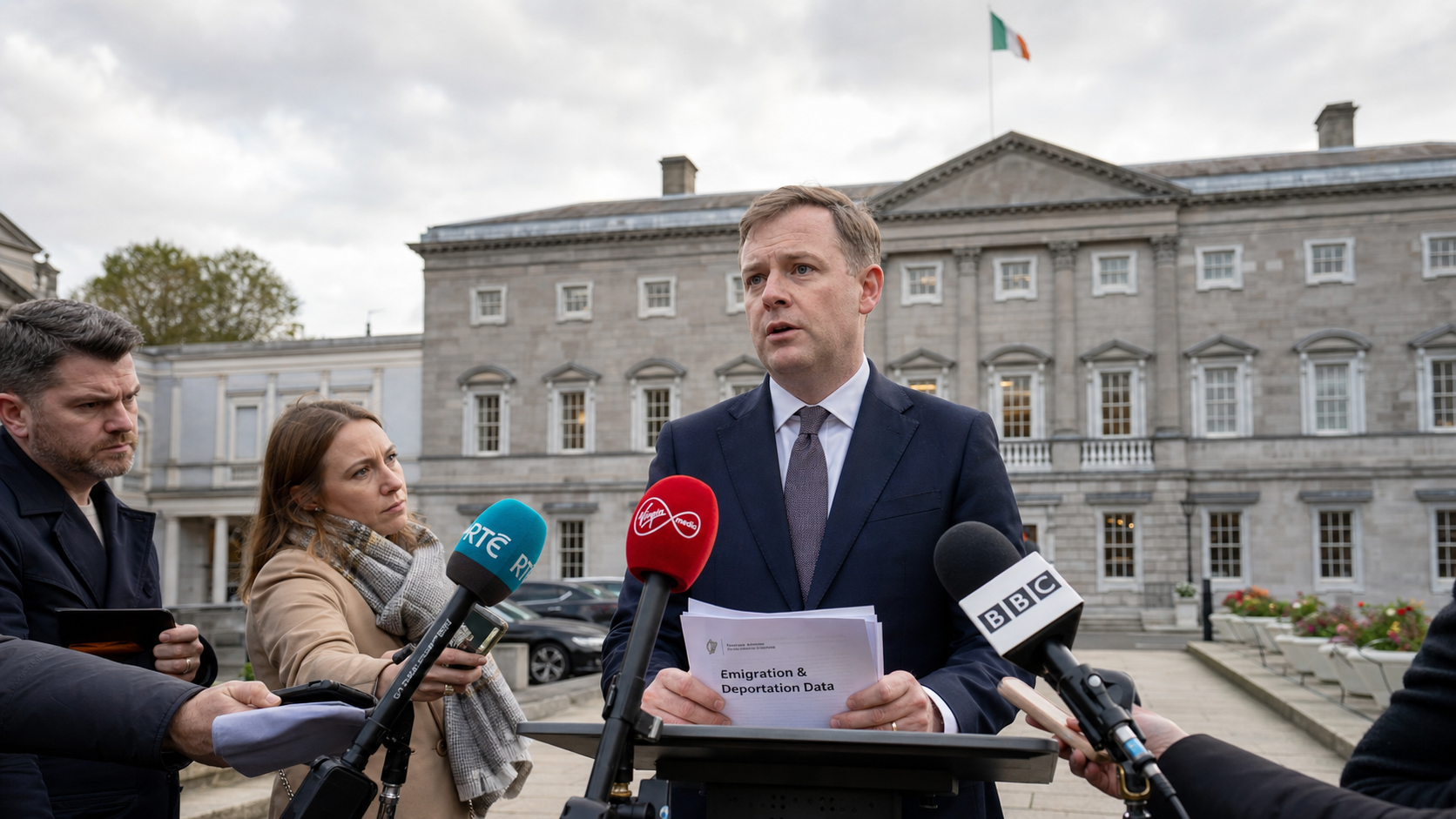
Minister of State for the Diaspora Neale Richmond said the strategy represented a significant commitment by the government to the Irish community abroad. "The Irish diaspora is one of our greatest assets, and we have a responsibility to support and connect with our people wherever they are in the world," he said. "This strategy sets out a clear and ambitious plan for how we will do that over the next five years."
Reaction from the Diaspora
The strategy has been broadly welcomed by Irish community organisations around the world, who have been calling for a more comprehensive and better-resourced approach to diaspora support for many years. The Coalition of Irish Immigration Centres in the United States said the strategy was "a significant step forward" and expressed hope that the commitments it contained would be backed by adequate funding.
However, some organisations have cautioned that the strategy's success will depend on the level of resources committed to its implementation and on the government's willingness to follow through on its commitments. They have called for regular progress reports and for meaningful engagement with diaspora organisations in the monitoring and evaluation of the strategy.