New Blood Test Gives Hope to Womb Cancer Patients: 'An Easier Way Would Be a Wonderful Thing'
For Gillian Stacey, 80, the journey through womb cancer has been one of extraordinary resilience — surviving a six-month prognosis, battling a recurrence in her lungs, and enduring years of invasive diagnostic procedures that she describes as deeply distressing. Now, a pioneering blood test developed by researchers in Leicester offers her and thousands of women like her the prospect of a far less traumatic path through diagnosis and monitoring.
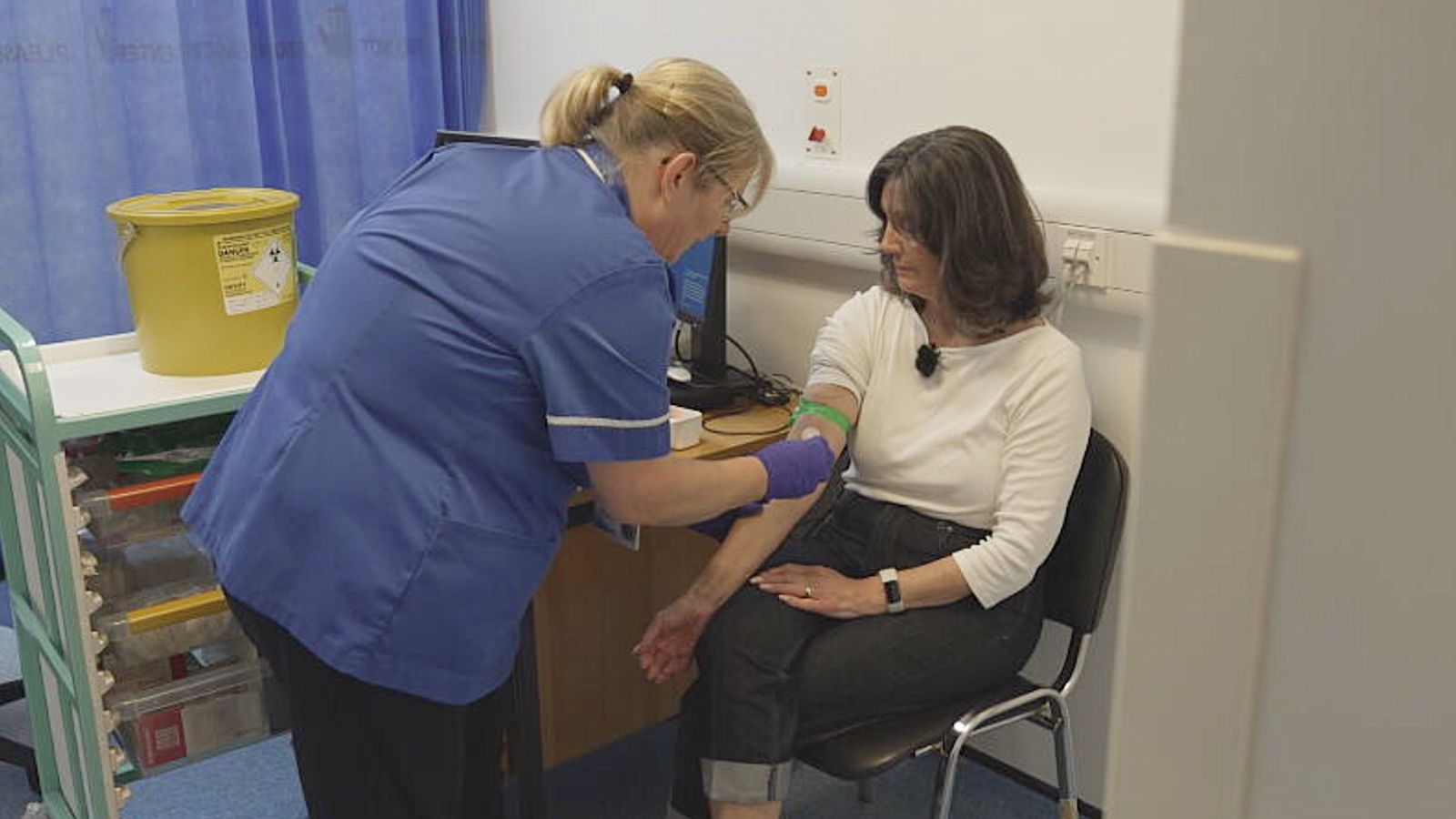
The ECctDNA test, developed by gynaecological cancer experts at the University of Leicester and University Hospitals of Leicester NHS Trust, can detect fragments of cancer cells in a patient's blood and deliver results within 48 hours — without the need for the internal examinations, biopsies, and scans that have long been the standard approach to monitoring womb cancer recurrence.
Patients at the Heart of the Story
Gillian, who took part in the study that led to the test's development, described her past medical examinations as "incredibly invasive" and said that "an easier and less traumatic way to diagnose this type of cancer would be a wonderful thing."
Pippa Clarkson, 65, who underwent a full hysterectomy nine years ago, shared a similar experience. She found the procedures for diagnosis and biopsies to be "incredibly invasive" and said that if the new blood test means women "don't have to go through that again, it's all worth it."
Their words capture something that statistics alone cannot convey: the human cost of a diagnostic process that, while medically necessary, can cause significant physical discomfort and emotional distress for patients who are already navigating one of the most frightening experiences of their lives.
How the Test Works
The ECctDNA test identifies circulating tumour DNA — tiny fragments of cancer cells shed into the bloodstream — allowing clinicians to determine whether cancer has recurred without the need for invasive procedures. It can also provide information about the genetic changes driving the cancer, helping to guide treatment decisions.
Endometrial cancer is the fourth most common cancer in women in the UK, with approximately 9,800 diagnoses annually. The test was developed over eight years, with funding from the Medical Research Council, Hope Against Cancer, and the National Institute for Health and Care Research Leicester Biomedical Research Centre.
Road to NHS Rollout
Dr Esther Moss, Consultant Gynaecological Oncologist at University Hospitals of Leicester NHS Trust, said the test can diagnose recurrence more quickly and provide crucial information about the genetic changes driving the cancer. The test is expected to become common practice in NHS hospitals by 2028, subject to further validation and regulatory approval.
What's Next
Researchers at Leicester are also developing a separate blood test for uterine sarcoma, a rarer and frequently misdiagnosed form of womb cancer. For Gillian, Pippa, and the thousands of women diagnosed with womb cancer each year, the prospect of a simpler, kinder path through diagnosis represents a genuinely life-changing advance. Read more at Good News Post.