Netanyahu Announces Expansion of Israeli Invasion into Southern Lebanon
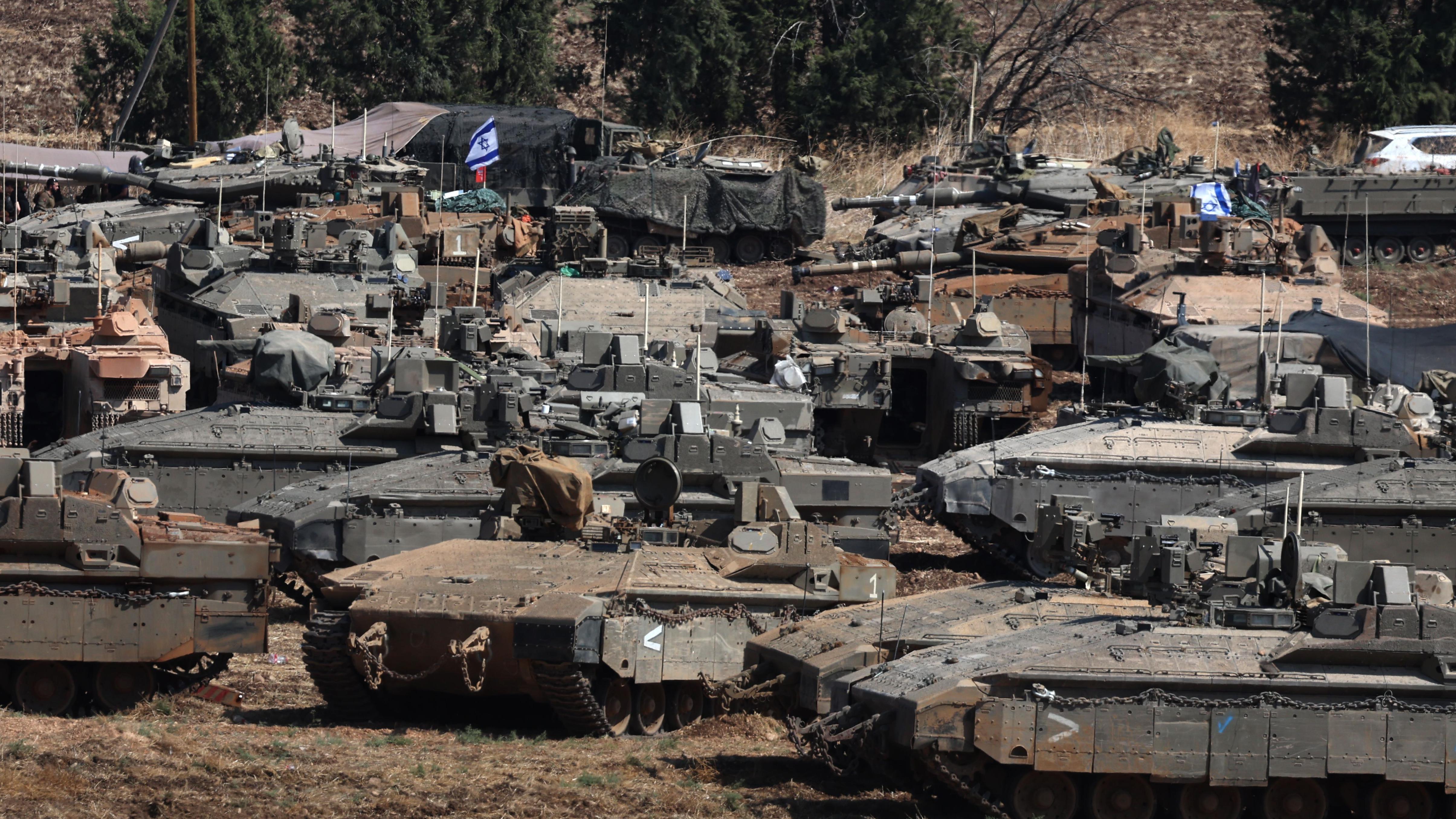
Israeli Prime Minister Benjamin Netanyahu has ordered the military to expand the country's security buffer zone in southern Lebanon, declaring his intention to "fundamentally change the situation in the north" — a move that has drawn widespread international condemnation, prompted Hezbollah to vow continued resistance, and deepened what the United Nations has described as an unprecedented humanitarian catastrophe.
Background
The concept of an Israeli-controlled buffer zone in southern Lebanon is not new. Following the 1982 Lebanon War, Israel established a "Security Zone" in 1985, covering approximately 10% of Lebanese territory and intended to prevent attacks on northern Israel. That zone was maintained by the Israel Defence Forces and a proxy militia until a unilateral Israeli withdrawal in May 2000, which many in Israel now view as a strategic mistake given Hezbollah's subsequent military build-up along the border.
The current escalation is part of a broader conflict between Israel and Iran-aligned groups. Following a series of retaliatory strikes, Hezbollah intensified its attacks on northern Israel in early March 2026, prompting a major Israeli air and ground offensive into southern Lebanon. By late March, the conflict had displaced over 1.2 million people — roughly a fifth of Lebanon's entire population — and the Lebanese Health Ministry had recorded more than 1,497 deaths and 4,639 injuries, including at least 124 children.
The scale of destruction has shocked international observers. Satellite imagery has confirmed the levelling of entire neighbourhoods in southern Lebanese towns, and Lebanese officials estimate that over 62,000 homes were damaged or destroyed in the first month of the escalation alone. Aid agencies have described the situation as an "unprecedented humanitarian crisis," with shelters at full capacity and many displaced families living in cars or makeshift camps.
Key Developments
On 29 March 2026, Netanyahu announced that he had ordered the IDF to expand the security buffer zone in southern Lebanon, with the stated goal of keeping Hezbollah's anti-tank missile teams away from the Israeli border. Defence Minister Israel Katz confirmed the intent to establish a formal security zone extending to the Litani River, stating that Lebanese civilians would be barred from returning until the security of northern Israel was guaranteed. He also ordered the military to accelerate the destruction of Lebanese homes near the border, citing what he described as the "model in Gaza."
Finance Minister Bezalel Smotrich went further, calling for the annexation of seized territory for Israeli settlement — a position that drew immediate condemnation from European governments and the United Nations. Hezbollah's Deputy Secretary-General, Sheikh Naim Qassem, rejected the security zone as an illegal occupation of sovereign Lebanese land, vowing that fighters would remain deployed and continue their resistance against Israeli forces.
Why It Matters
Netanyahu's announcement represents a significant strategic shift in Israel's stated objectives in Lebanon. What began as a campaign to degrade Hezbollah's military capabilities has evolved into a plan for a long-term military presence on Lebanese soil — a development with profound implications for regional stability and international law. A panel of UN-appointed human rights experts has stated that the "extensive destruction of residential areas" appears to violate international humanitarian law and may amount to a war crime.
The international response has been unusually unified in its criticism. The foreign ministers of ten European countries and the EU foreign policy chief urged Israel to respect Lebanon's territorial integrity. Canada's prime minister described the military operation as an "illegal invasion." France warned that the deliberate targeting of journalists — at least 11 have been killed by Israeli forces since 2023 — constitutes a blatant violation of international law. Lebanon's government has decried the plan as "collective punishment" and an attempt to impose a new occupation on a country already struggling with severe economic and refugee crises.
Local Impact
For Northern Ireland and the wider UK, the conflict in Lebanon carries both humanitarian and diplomatic weight. The UK government has updated its travel advice for Lebanon, urging all non-essential travel to be avoided, and the Foreign, Commonwealth and Development Office has advised British nationals in the region to register their presence and follow local guidance. Several Northern Ireland-based charities with operations in Lebanon have reported significant disruption to their aid programmes, with access to affected communities increasingly restricted by the military situation.
The conflict also has implications for UK foreign policy, with Westminster facing pressure from across the political spectrum to take a firmer stance on Israeli actions in Lebanon. The UK joined European partners in calling for respect for Lebanese sovereignty, though critics argue that stronger measures — including arms export reviews — are needed.
What's Next
With Hezbollah vowing continued resistance and Israeli forces pressing further into Lebanese territory, the prospects for a near-term ceasefire appear slim. US-brokered diplomatic talks are ongoing, but Hezbollah has publicly criticised the Lebanese government for engaging in those negotiations, labelling them a "humiliation." The coming weeks will test whether international pressure can constrain Israel's military ambitions in Lebanon, or whether the region is heading towards a prolonged occupation that echoes — and potentially surpasses — the troubled 15-year security zone that ended in 2000.
Sources: Reuters | BBC News | Al Jazeera