National Gallery of Ireland Hosts Major William Blake Exhibition Celebrating Romantic Era Visionary
The National Gallery of Ireland is drawing significant visitor numbers and critical acclaim with its major summer exhibition "William Blake: The Age of Romantic Fantasy," a comprehensive exploration of the work of one of the most extraordinary and unconventional figures in the history of British and Irish art, whose visionary imagery and radical ideas continue to resonate with audiences nearly two centuries after his death.
Background
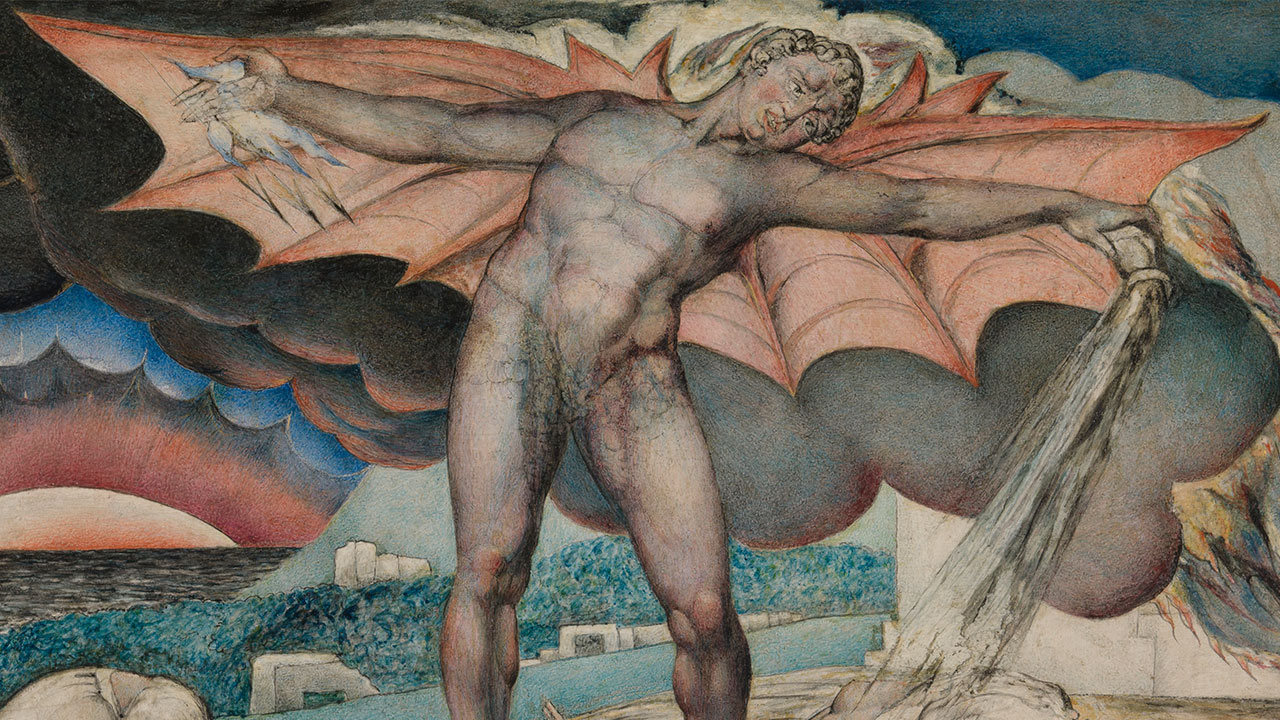
William Blake, born in London in 1757 and died in 1827, occupies a unique position in the history of art and literature. A poet, painter, printmaker, and visionary, Blake created a body of work that defied the conventions of his time and anticipated many of the concerns of the modern era. His illuminated books — hand-printed and hand-coloured works that combined poetry and visual art in a form that he invented — are among the most extraordinary artistic achievements of the Romantic period, and his influence on subsequent generations of artists, writers, and musicians has been immense.
Blake's connection to Ireland, while not direct, is significant. His work was deeply influenced by the Celtic mythology and folklore that was being rediscovered and celebrated by the Romantic movement, and his imagery — with its emphasis on the spiritual, the visionary, and the transcendent — resonates strongly with the Irish cultural tradition. Several of his most celebrated works, including the illustrations to Dante's "Divine Comedy" and the "Book of Job," have been exhibited in Ireland on previous occasions, but this is the most comprehensive exhibition of his work ever mounted in the country.
The National Gallery of Ireland, which holds one of the finest collections of European art in these islands, has a strong tradition of mounting major loan exhibitions that bring world-class works to Irish audiences. The Blake exhibition, which has been assembled in partnership with several major British and American collections, represents one of the most ambitious loan exhibitions in the gallery's recent history.
Key Developments
The exhibition, which occupies several galleries on the ground floor of the Millennium Wing, brings together more than one hundred works by Blake and his contemporaries, including original illuminated books, watercolours, engravings, and drawings. The centrepiece of the exhibition is a group of large-scale watercolours from Blake's illustrations to the Book of Job, which are widely regarded as among the greatest works of the Romantic period and which have rarely been exhibited outside their home institutions.
The exhibition is organised thematically rather than chronologically, exploring Blake's engagement with themes including the nature of the divine, the relationship between imagination and reason, the critique of industrial society, and the liberation of the human spirit. Each section of the exhibition is accompanied by extensive interpretive material that helps visitors to understand the context and significance of Blake's work without requiring prior knowledge of his life or ideas.
The gallery has also developed an extensive programme of events to accompany the exhibition, including lectures by leading Blake scholars, workshops for schools and families, and a series of evening events that explore Blake's influence on contemporary art and music. The programme has been particularly popular with younger audiences, who have been drawn to Blake's work by its visual intensity and its radical questioning of authority and convention.
Why It Matters
The Blake exhibition matters for Irish cultural life because it brings a body of work of the highest international significance to Irish audiences in a context that allows them to engage with it in depth. Major loan exhibitions of this kind are expensive and logistically complex to mount, and the National Gallery's success in assembling this exhibition is a testament to the institution's curatorial ambition and its relationships with major international collections.
Blake's work also has a particular relevance to the current moment. His critique of industrial capitalism, his celebration of the imagination as a force for liberation, and his insistence on the spiritual dimension of human experience all speak to concerns that are very much alive in contemporary Irish society. The exhibition provides an opportunity to engage with these ideas through the medium of some of the most extraordinary visual art ever created.
Local Impact
The exhibition has been a significant driver of cultural tourism in Dublin, attracting visitors from across Ireland and from abroad who are making special trips to see the Blake works. The National Gallery has reported a 40% increase in visitor numbers since the exhibition opened, with the increase particularly pronounced among visitors from the United Kingdom and the United States, where Blake's work is especially well-known.
The gallery's café and shop have also benefited from the increased footfall, and the surrounding Merrion Square area has seen increased activity as visitors combine their gallery visit with exploration of the wider Georgian Dublin neighbourhood. Dublin City Council's tourism office has highlighted the Blake exhibition as one of the key cultural attractions drawing visitors to the city this summer.
What's Next
The Blake exhibition runs until 14 September 2026, with tickets available through the National Gallery's website. The gallery has confirmed that it will publish a comprehensive catalogue of the exhibition in August, which will be available for purchase both in the gallery shop and online. A closing symposium, bringing together leading Blake scholars from Ireland, the UK, and the United States, is planned for 10-11 September.