Kaleidoscope and Clonmel Junction Arts Festival Prepare to Launch as Ireland's Summer Arts Season Reaches Full Swing
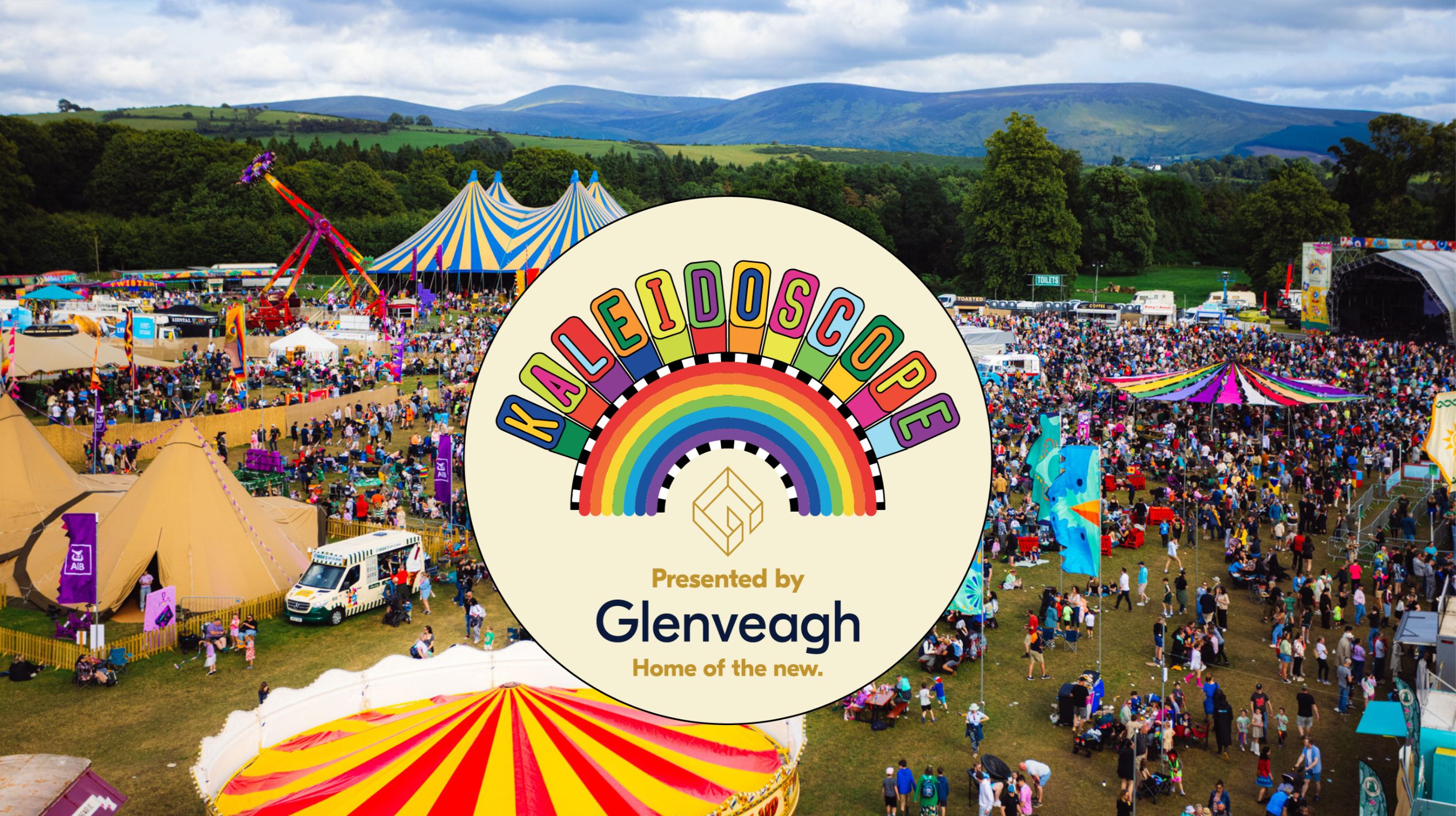
Final preparations are under way for two of Ireland's most eagerly anticipated July arts festivals, with Kaleidoscope — the country's largest family festival — set to transform the grounds of Russborough House in County Wicklow from July 3-5, while the Clonmel Junction Arts Festival prepares to bring ten days of theatre, music, and visual arts to County Tipperary from July 3-12, together signalling a summer arts season of exceptional richness and variety.
Background
Ireland's festival culture has undergone a remarkable transformation over the past two decades, evolving from a relatively modest collection of traditional music and arts events into a sophisticated and diverse ecosystem of festivals that spans every genre, every age group, and every corner of the country. The summer months in particular have become a period of intense cultural activity, with festivals competing for audiences and for the attention of international visitors who increasingly include Ireland's festival scene as a reason to visit.
Kaleidoscope has established itself as one of the anchor events of the Irish summer festival calendar since its founding. The festival's distinctive proposition — a family-friendly event that combines music, arts, and outdoor activities in a beautiful heritage setting — has proven enormously popular with Irish families who want a festival experience that is genuinely inclusive of children and older relatives. The choice of Russborough House, one of Ireland's finest Palladian mansions set in extensive parkland in County Wicklow, provides a setting of exceptional beauty that enhances the festival experience.
The Clonmel Junction Arts Festival has a different character — more urban, more eclectic, and more focused on the full range of contemporary arts practice. The festival, which takes place in the historic town of Clonmel in County Tipperary, has built a reputation for programming that is genuinely adventurous, bringing together local, national, and international artists in a programme that reflects the full diversity of contemporary arts practice.
Key Developments
Kaleidoscope's 2026 lineup has been announced and has generated considerable excitement among the festival's loyal audience. The Saw Doctors — one of the most beloved acts in Irish music, whose songs have provided the soundtrack to countless Irish summers — are among the headline acts, alongside British pop star Natasha Bedingfield, whose anthemic songs have a broad cross-generational appeal. The festival's arts programme, which runs alongside the music, includes workshops, installations, and performances designed specifically for children and families.
The Clonmel Junction Arts Festival's programme for 2026 reflects the festival's commitment to presenting work that challenges and surprises its audience. The ten-day programme includes theatre productions from Ireland and abroad, visual arts exhibitions in venues throughout the town, music performances ranging from traditional Irish to contemporary classical, and a series of talks and discussions that engage with the social and political dimensions of contemporary arts practice.
Both festivals are part of a broader summer arts programme that includes the Aurfest in Dundalk and a national tour of the cabaret musical "0800 Cupid," reflecting the depth and variety of Ireland's arts offering in the summer months. The Arts Council of Ireland has provided funding support for both festivals, recognising their contribution to the cultural life of their respective regions.
Why It Matters
The vitality of Ireland's festival scene matters for reasons that go beyond the immediate pleasure of the events themselves. Festivals are economic engines for the communities that host them, generating revenue for local businesses and creating employment for artists, technicians, and hospitality workers. They are also important mechanisms for cultural development, providing platforms for Irish artists to reach new audiences and for international artists to engage with Irish culture.
The geographic spread of Ireland's festival scene — from Wicklow to Tipperary, from Dundalk to Bantry — is also significant. It reflects a recognition that cultural life should not be concentrated exclusively in Dublin and Cork, and that communities throughout the country deserve access to high-quality arts experiences. The Arts Council's funding model, which supports festivals across the country, has been instrumental in enabling this geographic diversity.
For families in particular, festivals like Kaleidoscope provide an important cultural experience that is accessible and affordable in a way that many urban arts events are not. The opportunity to introduce children to live music, visual arts, and performance in a relaxed, outdoor setting is one that many Irish families value highly, and the growth of family-friendly festivals reflects a genuine demand for this kind of cultural provision.
Local Impact
In County Wicklow, the Kaleidoscope festival is one of the most significant annual events for the local economy. The festival draws thousands of visitors to the county over the July 3-5 weekend, with many staying in local accommodation and spending in local businesses. Russborough House and its estate benefit from the festival's presence, and the event has helped to raise the profile of the house as a cultural destination. In Clonmel, the Junction Arts Festival is similarly important for the local economy and for the town's cultural identity. The festival has helped to establish Clonmel as a destination for arts tourism, and its programme of events in venues throughout the town creates a sense of cultural animation that benefits the entire community.
What's Next
Both festivals open on July 3, with Kaleidoscope running until July 5 and the Clonmel Junction Arts Festival continuing until July 12. Tickets for both events are available through the festivals' respective websites, with some events already sold out. The Arts Council of Ireland has indicated that it will publish its annual review of the festival sector in September, which will include an assessment of the economic and cultural impact of the 2026 summer festival season.