Mourne Mountain Rescue Team Opens State-of-the-Art New Base After 14-Year Campaign
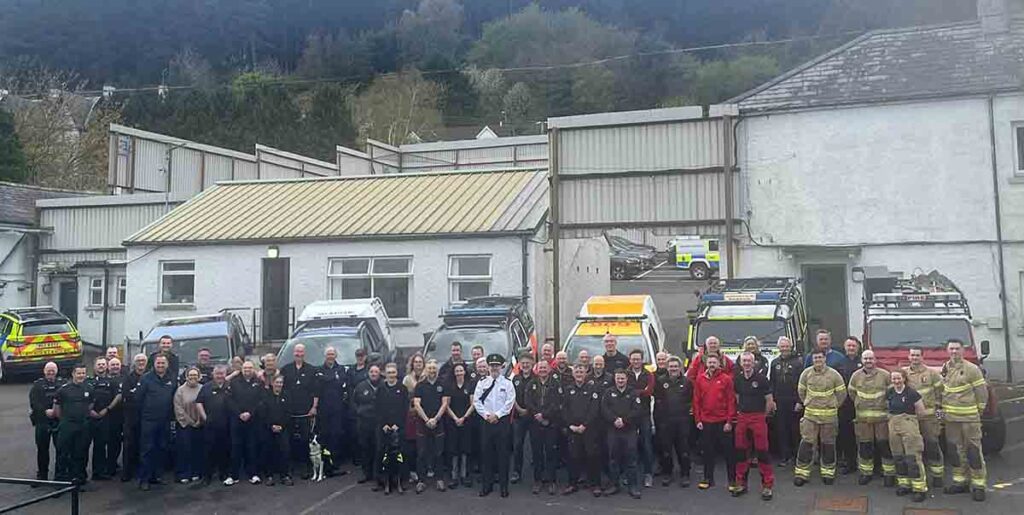
The Mourne Mountain Rescue Team has officially opened a purpose-built operational base in Newcastle, County Down, bringing to an end a 14-year campaign by the volunteer organisation to secure a permanent, fit-for-purpose home after decades of working from a spare room in the town's police station.
Background
The Mourne Mountain Rescue Team has been a cornerstone of emergency response in the Mourne Mountains for decades, providing a 24-hour, seven-day-a-week service across one of Northern Ireland's most popular and challenging outdoor environments. The Mournes attract tens of thousands of walkers, climbers, and outdoor enthusiasts annually, drawn by the dramatic granite peaks, the Mourne Wall, and the proximity to the coast. With that popularity comes risk: the terrain is unforgiving, weather conditions can change rapidly, and the mountains claim lives and cause serious injuries every year.
For most of its operational history, the team — comprising approximately 30 trained volunteers — operated from a spare room in Newcastle Police Station. While the arrangement served the team for many years, it was far from ideal. Equipment was exposed to the coastal salt air, which accelerated deterioration. There was no dedicated training space, no proper welfare facilities for volunteers returning from difficult callouts, and no quiet area where the families of those being rescued could wait in privacy and comfort.
The campaign to build a dedicated base began in earnest around 2012, driven by the recognition that the team's operational capacity was being constrained by its accommodation. Fundraising efforts, grant applications, and negotiations with potential partners stretched across more than a decade, testing the patience and determination of the volunteer committee. The project was complicated by the need to identify a suitable site, secure planning permission, and assemble a funding package from multiple sources.
Key Developments
Construction of the new facility began on 15 September 2025, with a projected build time of approximately 34 weeks. The project was delivered on schedule, with a community launch event held in July 2026 to celebrate the opening and thank the many individuals and organisations whose support made it possible.
The new base, located near Donard Wood on the edge of Newcastle town, is a state-of-the-art facility designed specifically for the operational needs of a mountain rescue team. It includes secure indoor parking for up to eight rescue vehicles, protecting them from the coastal salt air that previously caused significant equipment deterioration. A fully equipped indoor rope-training area allows volunteers to maintain and develop their technical skills without travelling to external venues. Dedicated meeting rooms, changing facilities, and welfare spaces for volunteers complete the operational core of the building.
A particularly thoughtful addition is a designated quiet space for the loved ones of individuals being rescued. Mountain rescue callouts are inherently distressing for families, and the provision of a calm, private area where they can wait for news reflects a mature understanding of the human dimensions of emergency response. The building also incorporates modern energy-efficient technologies, including solar panels, an air-source heat pump, and underfloor heating, reducing long-term running costs for the charity.
The funding package assembled for the project was a genuine community achievement. Local donations, including contributions from families and individuals who had been assisted by the team over the years, provided over £800,000. The UK government contributed £500,000, and Lidl Northern Ireland provided a further £500,000 as part of an arrangement that saw the supermarket chain develop a store on the adjacent site. The land itself was gifted to the team, and a 999-year lease was secured with Lidl.
Why It Matters
Mountain rescue in Northern Ireland operates on a voluntary basis, with teams funded almost entirely through charitable donations and grants. The Mourne team's new base represents not just an improvement in operational capacity but a statement of community confidence in the value of voluntary emergency services. The £2 million facility, assembled through a combination of grassroots fundraising and institutional support, demonstrates what sustained community effort can achieve over time.
The Mournes are among the most visited upland areas in Ireland, and the pressure on mountain rescue services has grown steadily as outdoor recreation has become more popular. The new base positions the team to respond more effectively to the increasing volume and complexity of callouts, with better-maintained equipment, better-trained volunteers, and better welfare support for those who give their time to keep others safe. For comparison, mountain rescue teams in the Republic of Ireland have faced similar accommodation challenges, and the Mourne team's success in securing a purpose-built facility may serve as a model for other volunteer organisations seeking to make the case for dedicated infrastructure.
Local Impact
For Newcastle and the wider Mourne area, the new base is a significant community asset. The town, which serves as the primary gateway to the Mournes for visitors from Belfast and beyond, benefits directly from the presence of a well-equipped rescue team capable of responding rapidly to incidents on the mountains. The Translink Goldline 240 service connects Newcastle to Belfast, and the town's hospitality sector — hotels, guesthouses, and outdoor equipment retailers — depends heavily on the confidence that visitors have in the safety infrastructure of the area.
The partnership with Lidl Northern Ireland, which provided both funding and the adjacent site, has created a practical arrangement that benefits both organisations. The supermarket gains a community-minded neighbour with strong local goodwill; the rescue team gains a secure, long-term home. Newry, Mourne and Down District Council welcomed the development as a positive addition to the area's emergency response capability.
What's Next
The team will spend the coming months settling into the new facility, establishing operational routines, and making full use of the training infrastructure. A formal fundraising campaign is expected to continue, as the charity requires ongoing income to maintain its fleet, equipment, and training programme. The team has indicated that the new base will also serve as a venue for community engagement events, allowing the public to learn more about mountain safety and the work of volunteer rescue services. With the Walker Cup coming to Lahinch in September and continued growth in outdoor recreation across Northern Ireland, the Mourne team's enhanced capacity could not be more timely.