Fota Wildlife Park Celebrates Rare Double Birth of Critically Endangered Tiger and Lion Cubs
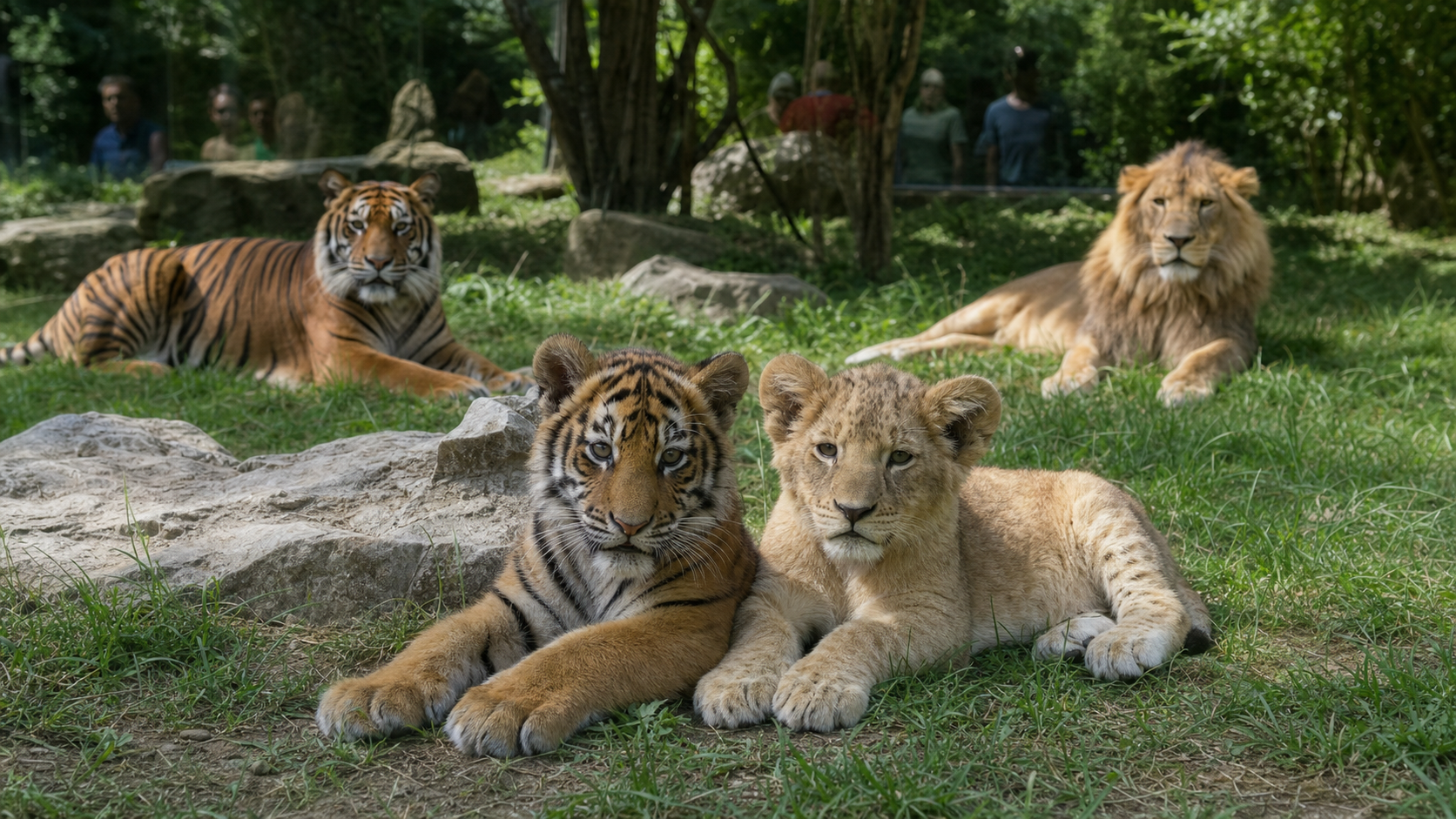
Fota Wildlife Park in County Cork has announced a remarkable conservation milestone with the birth of two critically endangered Sumatran tiger cubs and three endangered Asian lion cubs within weeks of each other, marking the most significant breeding achievement in the park's history and offering a rare moment of genuine hope for two of the world's most threatened big cat species.
Background
Fota Wildlife Park, situated on Fota Island in Cork Harbour, has operated as one of Ireland's leading conservation institutions since its establishment in 1983. The park participates in the European Endangered Species Programme (EEP), a coordinated breeding initiative that manages the genetic diversity of threatened animals across accredited European zoos and wildlife parks. Participation in such programmes requires meticulous record-keeping, careful pairing of animals from different institutions, and a long-term commitment to species survival that extends well beyond the visitor experience.
The Sumatran tiger is classified as critically endangered on the International Union for Conservation of Nature (IUCN) Red List, with fewer than 400 individuals estimated to remain in the wild on the Indonesian island of Sumatra. Habitat destruction driven by palm oil cultivation, illegal poaching, and human-wildlife conflict have pushed the species to the brink. The Asian lion, meanwhile, is classified as endangered, with the entire wild population — approximately 700 animals — confined to the Gir Forest National Park in the Indian state of Gujarat. Both species face existential threats that make every successful birth in a managed conservation setting a meaningful contribution to long-term survival prospects.
Fota has previously recorded successful births of both species, but the arrival of multiple cubs in a single season, across two separate species, is unprecedented for the park. The timing reflects years of careful animal management, appropriate pairing decisions made in consultation with EEP coordinators, and the expertise of the park's ranger team.
Key Developments
The two Sumatran tiger cubs were born on 16 June 2026 to five-year-old mother Jambi and eight-year-old father Batak. Jambi, who arrived at Fota from Tiergarten Heidelberg in Germany, is a first-time mother. The birth represents the first occasion on which more than one cub has been born in a single litter at the park, a development that rangers described as extraordinary given the species' notoriously low reproductive rates in captivity.
The park has adopted a hands-off approach to the early weeks of the cubs' lives, allowing Jambi to nurse and bond with her young without human interference. The cubs are generally kept in their indoor house by their mother and brought outside only during cooler evening temperatures. Lead ranger John Leahy confirmed that the animals are thriving and that Jambi has taken to motherhood with impressive instinct.
Three Asian lion cubs followed on 1 July 2026, born to nine-year-old mother Arya and ten-year-old father Yali. This is Arya's second litter with Yali; she was herself part of the first litter of Asian lions born at Fota in 2017, making her arrival as a mother a particularly resonant moment for the park's long-term breeding programme. Rangers described Arya as a highly protective and attentive mother who has created a secure environment for her cubs in the den area adjacent to the visitor walkway.
As of the announcement on 22 July 2026, neither the tiger cubs nor the lion cubs were on public view. The lion den faces the visitor area, and that section of the park has been temporarily restricted to give Arya the privacy she requires during the critical early weeks. The park expressed confidence that public access would be restored within a matter of weeks as the animals settle into their routines.
Why It Matters
The significance of these births extends well beyond the immediate joy of new arrivals at a popular visitor attraction. Sumatran tigers are among the most genetically isolated of the remaining tiger subspecies, and the managed population in European zoos represents a crucial insurance policy against total extinction in the wild. Every cub born in a coordinated breeding programme adds to the genetic diversity of that insurance population and, in theory, to the pool of animals that could one day contribute to carefully managed reintroduction efforts.
Ireland's role in international conservation breeding is often underappreciated. Fota's participation in EEP programmes places it alongside some of Europe's most respected zoological institutions, and the park's track record with species such as the cheetah, the red panda, and the scimitar-horned oryx demonstrates a genuine commitment to conservation science rather than mere exhibition. The double birth of 2026 reinforces that standing and is likely to attract attention from conservation bodies across Europe.
For the Asian lion, the stakes are equally high. With the entire wild population confined to a single forest in India, any disease outbreak, natural disaster, or political disruption could prove catastrophic. The managed population in European institutions provides a buffer that wildlife managers regard as essential. Fota's contribution to that buffer, through Arya's second successful litter, is a meaningful one.
Local Impact
For County Cork and the wider Munster region, the news provides a significant boost to one of the area's most visited tourist attractions. Fota Wildlife Park draws hundreds of thousands of visitors annually from across Ireland and overseas, and the arrival of new cubs — particularly of species as charismatic as tigers and lions — typically generates a sustained increase in visitor numbers over the months that follow. Local hospitality businesses on Fota Island and in the surrounding Cork Harbour area are likely to benefit from the additional footfall.
The park's ranger team, based on the island year-round, will face an intensive period of monitoring and care as the cubs develop. The expertise required to manage critically endangered species in a conservation setting is considerable, and the success of this breeding season reflects well on the professionalism of the Fota team. Cork County Council, which has a longstanding relationship with the park, welcomed the news as a demonstration of the island's unique contribution to international wildlife conservation.
What's Next
The tiger cubs will remain off public view for several more weeks while Jambi continues to nurse and bond with them. The park anticipates that they will be introduced to the outdoor enclosure gradually over the coming months, with a formal public debut likely in late summer or early autumn 2026. The lion cubs are expected to become visible to visitors somewhat sooner, given that their den is already adjacent to the visitor area.
Fota will submit detailed records of both births to the EEP coordinators, contributing to the international studbook that tracks the genetic lineage of managed populations. The park is also expected to announce the names of the cubs in the coming weeks, a process that typically involves public engagement and generates considerable community interest. Conservation staff will continue to monitor the health and development of all five cubs closely throughout the remainder of the year.