Minister Neale Richmond Launches Diaspora Strategy in Britain, Pledging to Strengthen Irish Community Ties
Minister of State for International Development and the Diaspora Neale Richmond has completed a two-day visit to Britain to formally launch the Irish Government's new Diaspora Strategy 2026-2030, meeting with Irish community organisations in London, Luton, and Birmingham and pledging that the government will "lean in" to the Irish connections of new UK Prime Minister Andy Burnham to strengthen bilateral ties.
Background
Britain is home to the largest Irish-born community outside of Ireland, with an estimated 500,000 Irish-born people living in the UK and millions more with Irish heritage. The Irish community in Britain has a complex and layered history — from the waves of emigration that followed the Famine and the economic crises of the 20th century, to the more recent movement of young professionals attracted by the opportunities of London and other major British cities.
The Irish Government's engagement with the diaspora in Britain has evolved considerably over the past two decades. The establishment of the Emigrant Support Programme, which provides funding to Irish community organisations across Britain, has been a significant development, as has the growing recognition that the diaspora is not just a community to be supported but a resource to be engaged — a network of Irish people and people of Irish heritage who can contribute to Ireland's economic, cultural, and diplomatic interests.
The new Diaspora Strategy 2026-2030 is the third such strategy produced by the Irish Government, and it reflects the lessons learned from its predecessors. Developed through nine months of consultations — including the first-ever online consultation for the Irish abroad — the strategy is built around 23 core commitments across five themes: wellbeing and advocacy, identity and culture, connection and contribution, departure and return, and sharing experiences.
Key Developments
Minister Richmond's visit began on 22 July with the UK launch of the Diaspora Strategy at the Luton Irish Forum, where he participated in a roundtable discussion with representatives from the Birmingham Irish Association, Coventry Irish Society, and the Hertfordshire GAA. The event featured a performance by a local pipe band and musicians, reflecting the cultural dimension of the diaspora's connection to Ireland.
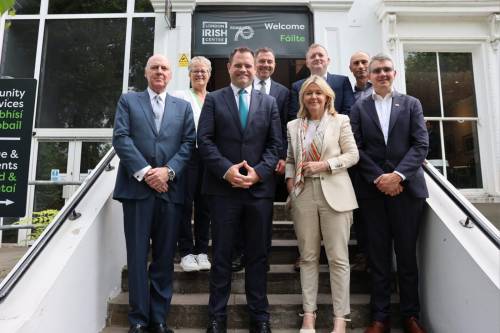
The Minister also visited the London Irish Centre in Camden, where he received an update on the centre's redevelopment project, which has received approximately €6.75 million in Irish Government funding. He met with the Immigrant Counselling and Psychotherapy organisation in Finsbury Park, which provides mental health and psychotherapy services to the Irish diaspora, particularly survivors of institutional abuse, and with the Southwark Irish Pensioners Project in Bermondsey, which was celebrating its 20th anniversary.
Speaking about the new UK Prime Minister, Richmond expressed the Irish Government's intention to engage actively with Andy Burnham's Irish heritage — noting the Prime Minister's roots in Louth and Donegal — as a means to strengthen diplomatic and cultural ties. He also addressed the issue of UK overseas development aid, expressing a desire for the new British administration to reverse recent cuts to spending on international aid.
Why It Matters
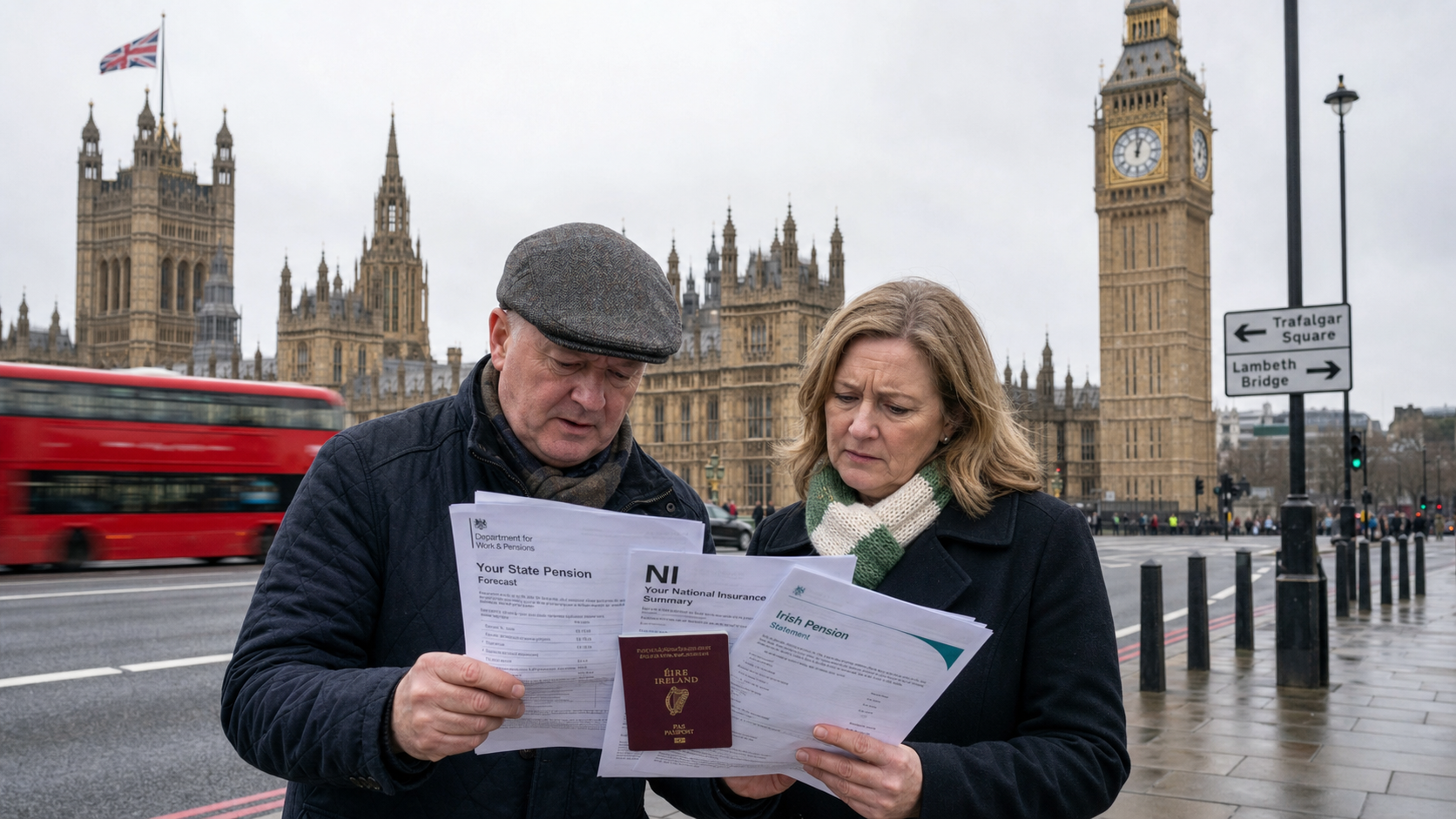
The Irish diaspora in Britain is one of the most significant and complex communities in the Irish Government's engagement portfolio. Unlike the Irish-American diaspora, which tends to be several generations removed from Ireland and engaged primarily through cultural and heritage connections, the Irish community in Britain includes a large proportion of first-generation emigrants who maintain close ties to their home communities and who are directly affected by Irish Government policies on issues such as pensions, healthcare, and citizenship. The Diaspora Strategy's commitment to wellbeing and advocacy — including support for elderly Irish people in Britain and for survivors of institutional abuse — reflects the government's recognition that the diaspora has needs as well as resources, and that the relationship must be one of genuine reciprocity rather than one-way cultural promotion.
Local Impact
The Irish community organisations visited by Minister Richmond during his two-day trip represent a network of support services, cultural institutions, and community hubs that serve Irish people across Britain. The London Irish Centre, the Luton Irish Forum, and the Southwark Irish Pensioners Project are all organisations that depend on a combination of Irish Government funding, local authority support, and community fundraising to deliver their services. The Diaspora Strategy's commitment to sustained funding for these organisations is crucial to their ability to plan and develop their services over the coming years. In Ireland, the strategy's emphasis on "departure and return" — supporting Irish people who wish to return home after periods abroad — reflects the government's recognition that emigration is not always a permanent condition and that returning emigrants can make a significant contribution to Irish society.
What's Next
The Diaspora Strategy 2026-2030 will be implemented through the Department of Foreign Affairs, with annual progress reports expected to be published from 2027. The Emigrant Support Programme, which provides the primary funding mechanism for Irish community organisations abroad, is expected to be reviewed and potentially expanded as part of the strategy's implementation. Minister Richmond is expected to undertake further visits to Irish communities in the United States, Australia, and continental Europe in the coming months, as part of the government's commitment to engaging with the diaspora across all regions.