Micheál Martin Condemns Belfast Violence as Taoiseach Pledges Cross-Border Support for Affected Communities
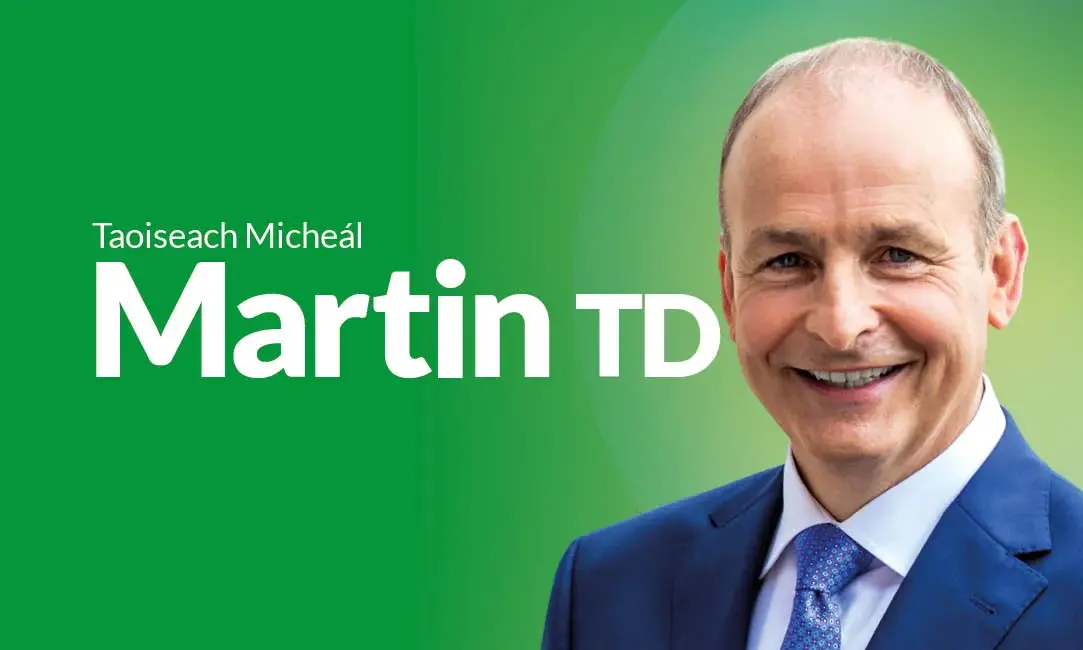
Taoiseach Micheál Martin has described the anti-immigrant violence in Belfast as "deeply disturbing" and pledged the full support of the Irish government for the communities affected, in a statement that underlines the cross-border dimension of the crisis and the Republic's role as a co-guarantor of the political settlement that has underpinned peace in Northern Ireland for nearly three decades.
Background
The Irish government's relationship with events in Northern Ireland is constitutionally and politically complex. Under the terms of the Good Friday Agreement, the Irish government is a co-guarantor of the political settlement, with a formal role in the North-South Ministerial Council and a responsibility to support the institutions of power-sharing at Stormont. That role gives Dublin a legitimate interest in events in Northern Ireland that goes beyond the normal relationship between neighbouring states.
The anti-immigrant violence that has swept through Belfast and Newtownabbey since Monday has created a situation in which the Irish government has felt compelled to speak publicly, both because of its co-guarantor role and because of the direct impact of the disorder on Irish citizens and residents in Northern Ireland. A significant number of those displaced by the violence are people who moved to Northern Ireland from the Republic or who have family connections south of the border.
The Taoiseach's response has also been shaped by the broader political context. Ireland has been one of the most vocal European countries in advocating for the rights of migrants and refugees, and the sight of anti-immigrant violence in a part of the island of Ireland creates a particular political and moral challenge for a government that has positioned itself as a champion of those values.
Key Developments
Speaking at Government Buildings on Wednesday, the Taoiseach described the violence as "deeply disturbing" and said that it had "no place in any part of this island." He praised the response of the PSNI and the Northern Ireland Executive, and expressed solidarity with the communities that had been targeted. "The people who have been displaced from their homes, who have been subjected to intimidation and violence, deserve the full support of every institution on this island," he said.
The Taoiseach also spoke by telephone with First Minister Michelle O'Neill and deputy First Minister Emma Little-Pengelly, offering the Irish government's assistance and discussing the cross-border dimensions of the crisis. He indicated that the North-South Ministerial Council could be convened at short notice if the situation required a formal cross-border response.
Minister for Justice Helen McEntee announced that the Garda Síochána would increase its cooperation with the PSNI in monitoring online content that could be used to incite further disorder, and that the government was reviewing its existing hate speech legislation in light of the events in Belfast.
Why It Matters
The Taoiseach's intervention matters for several reasons. First, it signals that the Irish government regards the disorder in Belfast as a matter of concern for the whole island, not just for Northern Ireland's devolved institutions. That framing is consistent with the Good Friday Agreement's vision of an island-wide approach to shared challenges, but it also carries political risks — any perception that Dublin is interfering in Northern Ireland's internal affairs could be counterproductive.
Second, the Taoiseach's condemnation of the violence reinforces the message being sent by the Stormont Executive and the PSNI that there is no political cover for anti-immigrant disorder in any part of Ireland. The unified response from political leaders on both sides of the border is an important signal to those who might have hoped to exploit the disorder for political purposes.
Third, the offer of cross-border cooperation on online hate speech monitoring reflects a recognition that the disorder in Belfast has been significantly amplified by social media content that crosses jurisdictional boundaries. Effective responses to online incitement require cooperation between police forces and governments, and the Taoiseach's offer is a practical step in that direction.
Local Impact
The Irish government's response has been welcomed by community organisations working with migrant populations on both sides of the border. Several organisations that provide support to migrants in Northern Ireland have offices and networks in the Republic, and the Taoiseach's statement has been seen as a signal that those organisations can expect support from Dublin as well as from Stormont.
In border communities — particularly in Donegal, Monaghan and Cavan — the events in Belfast have been followed with particular concern. Many people in these areas have family connections in Belfast and have been in contact with relatives affected by the disorder. The Taoiseach's statement has provided some reassurance that the Irish government is engaged with the situation.
What's Next
The Taoiseach is expected to make a further statement to the Dáil when it resumes after the weekend, providing a full account of the Irish government's response to the Belfast disorder and outlining any additional measures being considered. The North-South Ministerial Council is expected to discuss the situation at its next scheduled meeting, and there may be calls for an emergency session if the disorder continues. The government's review of hate speech legislation is expected to produce recommendations within the next few weeks.