MetroLink Cost Surges to €17.5 Billion as Cabinet Prepares to Review Revised Business Case This Autumn
The projected cost of Dublin's MetroLink project has surged to between €14.5 billion and €17.5 billion, with some senior government figures privately warning that the final bill could reach €19 billion, as the Cabinet prepares to review an updated business case this autumn that will determine whether the long-delayed underground rail line proceeds to the construction tender phase.
Background
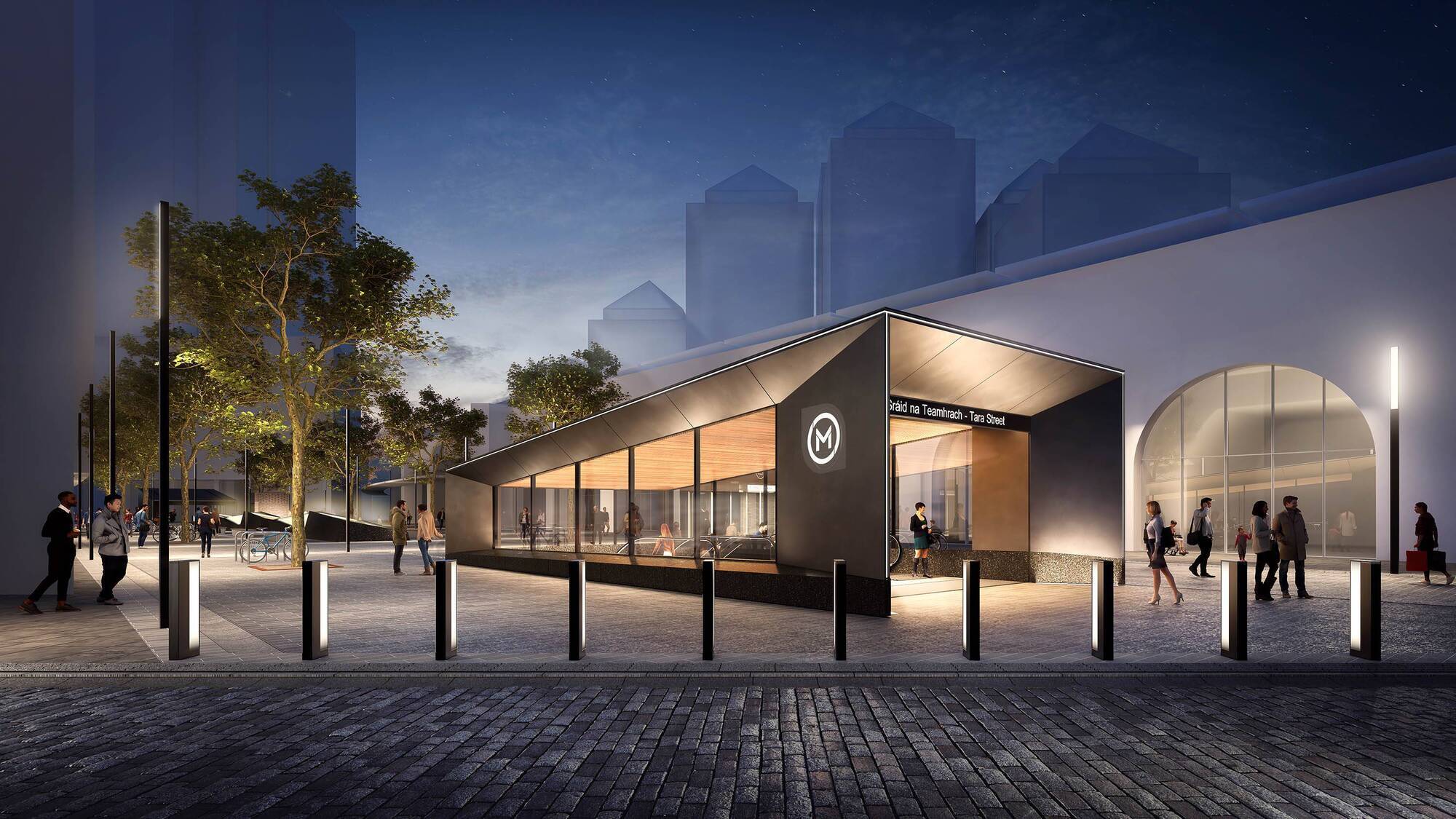
MetroLink is a planned 19-kilometre underground rail line connecting Swords in north County Dublin to Charlemont in the south of the city, passing through Dublin Airport and the city centre. The project has been in planning and development for more than two decades, surviving multiple reviews, redesigns, and changes of government. It is intended to provide a high-frequency, high-capacity rail connection that would transform public transport in the greater Dublin area, reducing journey times between the airport and the city centre to approximately 20 minutes.
The project's cost estimates have escalated dramatically over the years. In 2022, the credible cost range was estimated at between €7.16 billion and €12.25 billion, with a midpoint of €9.5 billion. The new business case, which is expected to be considered by the Cabinet in the coming weeks, places the cost in a range of €14.5 billion to €17.5 billion — an increase of between 50 and 85 per cent on the 2022 midpoint estimate. The drivers of this increase include construction inflation, design changes arising from the planning process, and the inclusion of new commitments such as the provision of housing for approximately 2,000 construction workers, which alone is estimated to cost up to €500 million.
Transport Infrastructure Ireland has advertised several large contracts as part of the procurement process, including €7.9 billion for tunnelling and excavation, €7.3 billion for rolling stock and systems, €1.88 billion for enabling works, and €550 million for a programme delivery partner. These figures represent maximum potential values rather than a final budget, and TII expects competitive bidding to result in lower final costs. However, the scale of the numbers has prompted significant political concern.
Key Developments
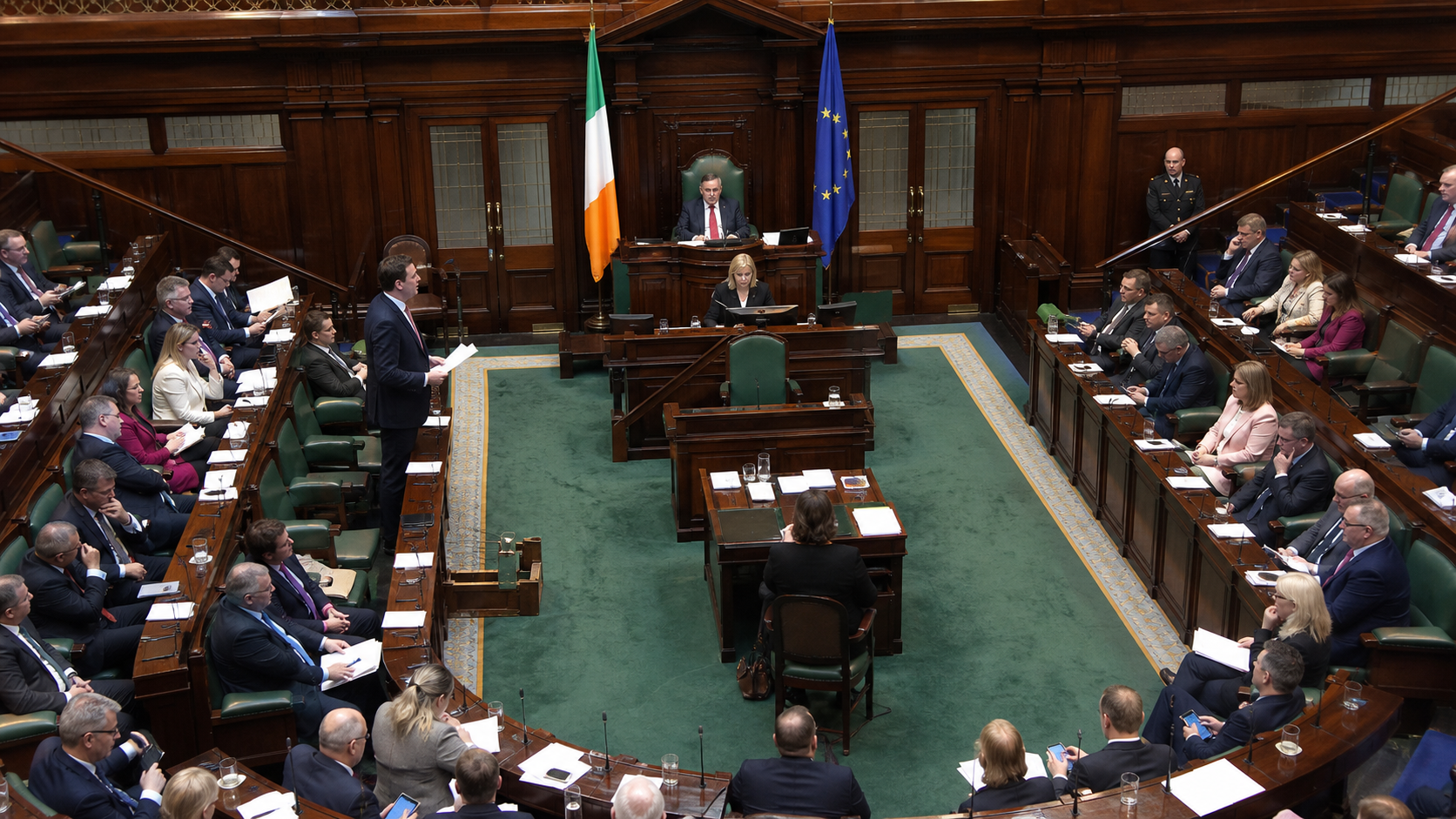
The Dáil returned from its summer recess this week to find MetroLink among the most pressing items on the political agenda. The project's revised cost range has been widely reported, and opposition parties have demanded a full accounting of how the estimates have escalated so dramatically in four years. The government is facing warnings that public spending overruns are likely to exceed €1.4 billion in the current year, placing pressure on ministers to make difficult trade-offs as they finalise Budget 2027.
By the end of 2026, it is expected that nearly €750 million will have been spent on the project before major construction begins — a figure that includes planning, design, procurement, and enabling works. TII has indicated that if the Cabinet approves the updated business case at "approval gate two," the project could proceed to the construction tender process, with enabling works potentially beginning in 2027, construction starting in 2028, and the line potentially opening between 2036 and 2038.
The Central Bank of Ireland has separately warned the government against broad cost-of-living measures in Budget 2027 that could stoke inflation, a caution that has implications for the scale of capital investment the state can sustain simultaneously. The MetroLink project, if it proceeds at the upper end of the cost range, would represent one of the largest single infrastructure investments in the history of the state.
Why It Matters
MetroLink is not merely a transport project; it is a test of the Irish state's capacity to plan and deliver major infrastructure. Ireland has a poor track record in this regard: the National Children's Hospital, the National Broadband Plan, and now MetroLink have all seen costs escalate far beyond initial estimates, raising fundamental questions about the quality of project appraisal and cost management in the public sector. The MetroLink cost surge is particularly significant because it comes at a time when the government is also facing pressure to invest in housing, healthcare, and climate infrastructure. Every additional billion spent on MetroLink is a billion not available for other priorities. At the same time, the case for the project remains strong: Dublin's public transport system is inadequate for a city of its size and ambition, and the absence of a high-capacity rail link to the airport is a genuine constraint on economic development. The question is not whether MetroLink is needed but whether the state can afford it at the price it is now being quoted.
Local Impact
For Dubliners, the MetroLink project has been a source of both hope and frustration for many years. Residents along the proposed route — in areas including Glasnevin, Drumcondra, Phibsborough, and the city centre — have lived with planning uncertainty for a decade, with some properties blighted by proximity to the proposed tunnel alignment. In Swords and Fingal more broadly, the prospect of a direct rail link to the city centre and airport has been a significant factor in planning decisions and property values. The revised cost estimates have prompted renewed questions about whether the project will actually be built, or whether it will join the long list of Irish infrastructure projects that were planned but never delivered. The government's decision on the business case this autumn will be a critical moment in answering that question.
What's Next
The Cabinet is expected to consider the updated MetroLink business case before the end of October 2026. A positive decision would allow TII to proceed to the construction tender process, with preferred bidders expected to be selected in 2027. The final cost of the project will not be definitively known until contracts are signed. Opposition parties have called for a Dáil debate on the revised estimates before any Cabinet decision is taken. The Oireachtas Transport Committee is also expected to hold hearings on the project in the coming weeks.