Manchán Magan's Final Published Words Explore Ireland as the Outer Limit of the Known World
The final published words of Manchán Magan, the writer, broadcaster, and Irish language advocate whose work has done more than almost anyone else's to bring the richness of Irish cultural heritage to a contemporary audience, explore Ireland's ancient identity as the outer limit of the known world — a meditation on place, language, and belonging that has been widely shared and celebrated as a fitting testament to one of the most distinctive voices in contemporary Irish cultural life.
Background
Manchán Magan has been one of the most important figures in Irish cultural life for the past two decades. His books — including Thirty-Two Words for Field, which explored the extraordinary richness of the Irish language's vocabulary for the natural world, and Tree Dogs, Banshee Fingers and Other Irish Words — have introduced hundreds of thousands of readers to a dimension of Irish culture that had been largely invisible to those who did not speak the language. His television documentaries, his radio work, and his public advocacy for the Irish language have similarly brought a new audience to a tradition that was in danger of being lost.
Magan's work is characterised by a combination of deep scholarship and accessible prose, a genuine passion for the subject matter, and an ability to find the universal in the particular. His writing about the Irish language is never merely linguistic — it is always also about the way in which language shapes perception, about the different ways of being in the world that different languages make possible, and about the loss that occurs when a language dies.
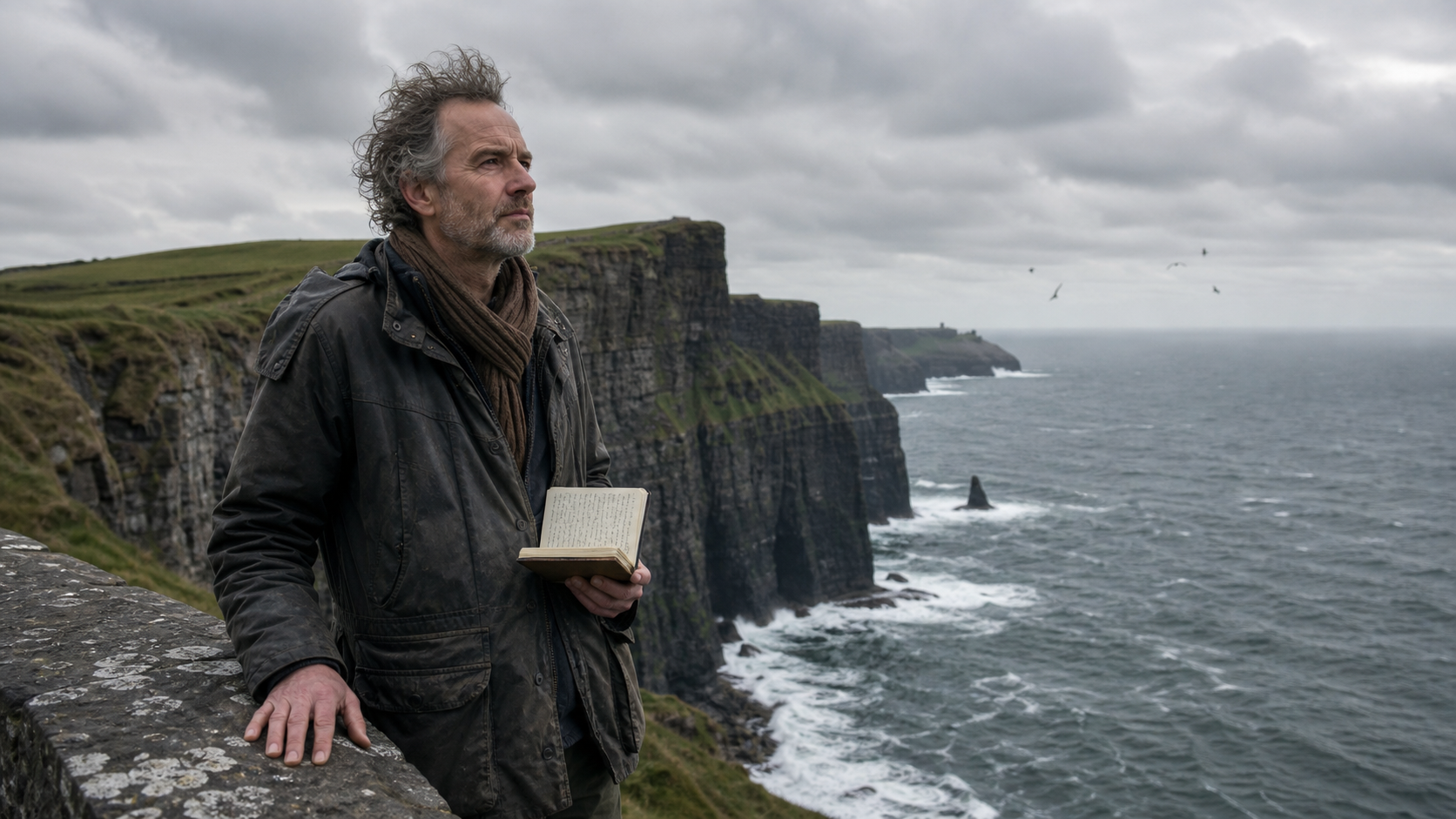
The piece published in the Irish Times on Friday — described as his final published words — takes as its subject Ireland's ancient identity as the outer limit of the known world. In the cosmology of the ancient Greeks and Romans, Ireland was at the very edge of the inhabited earth, a place of mystery and wonder that lay beyond the boundaries of the civilised world. Magan explores what it means to inhabit this liminal space, and what the Irish language preserves of that ancient sense of being at the edge.
Key Developments
The piece has been widely shared on social media since its publication, with many readers describing it as among the finest things Magan has written. The Irish Times, which published the piece, described it as a "remarkable final statement" from one of Ireland's most important cultural voices. Tributes have poured in from across the Irish cultural community, with writers, broadcasters, and academics paying tribute to Magan's contribution to Irish cultural life.
Magan's publisher has indicated that a collection of his essays and shorter pieces is in preparation, which will include the final Irish Times piece alongside other previously published and unpublished work. The collection is expected to be published in 2027.
Why It Matters
Manchán Magan's work matters because it has made the Irish language and Irish cultural heritage accessible to people who might otherwise never have encountered them. In a country where the Irish language has been in decline for generations, and where the relationship between the language and national identity has often been fraught and contested, Magan found a way to write about Irish that was neither defensive nor nostalgic but genuinely celebratory — a celebration grounded in deep knowledge and expressed with literary skill. His final published words, with their meditation on Ireland as the outer limit of the known world, are a fitting conclusion to a body of work that has consistently asked what it means to be Irish, and what is lost when the language that shaped that identity is no longer spoken.
Local Impact
Magan's work has had a particular impact in the Gaeltacht areas of Ireland — the Irish-speaking communities of Connemara, Donegal, Kerry, and elsewhere — where his advocacy for the language has been a source of encouragement and validation. In the broader Irish cultural community, his influence has been felt in the renewed interest in the Irish language that has been visible in recent years, particularly among younger people who have discovered the language through his books and broadcasts.
What's Next
A collection of Magan's essays and shorter pieces is expected to be published in 2027. His publisher has indicated that the collection will include previously unpublished material as well as the best of his published work. A series of events celebrating his contribution to Irish cultural life is expected to be announced in the coming weeks.