ANU's Cyclone Delivers One of Dublin Theatre Festival's Finest Moments in Vivid Portrait of Forgotten Boxer
ANU Productions' Cyclone has emerged as one of the standout productions of the Dublin Theatre Festival 2026, with Louise Lowe's site-specific work at 1 Railway Court earning strong critical acclaim for its vivid and compassionate portrayal of the life of Billy "Cyclone" Warren — an American boxer who became a sandwich board man in mid-20th-century Dublin — in a production that weaves together the history of the city's Monto district with a meditation on memory, myth, and the lives of those who fall through the cracks of history.
Background
ANU Productions has been one of the most distinctive voices in Irish theatre for over a decade, developing a body of work that is characterised by its commitment to site-specific performance, its engagement with marginalised histories, and its ability to create intimate, immersive experiences that place audiences in direct contact with the stories being told. The company's previous productions have explored the history of Dublin's Monto district — once Europe's largest red-light district — and the lives of the women who lived and worked there, earning international recognition and a devoted following among theatre audiences in Ireland and abroad.
Cyclone continues this engagement with the hidden histories of Dublin, focusing on the figure of Billy "Cyclone" Warren, an American boxer who came to Dublin in the mid-20th century and ended his days as a sandwich board man on the city's streets. Warren's story is one of those that falls between the cracks of official history — too obscure for the history books, too vivid to be forgotten by those who encountered him. ANU's decision to make his life the subject of a major theatrical work is characteristic of the company's commitment to recovering and honouring stories that might otherwise be lost.
The Dublin Theatre Festival 2026, running from September 24 to October 11, has assembled a programme of international and Irish productions that reflects the breadth and ambition of contemporary theatre. Cyclone is one of the Irish productions at the heart of the festival, and its critical reception has been one of the highlights of the opening week.
Key Developments
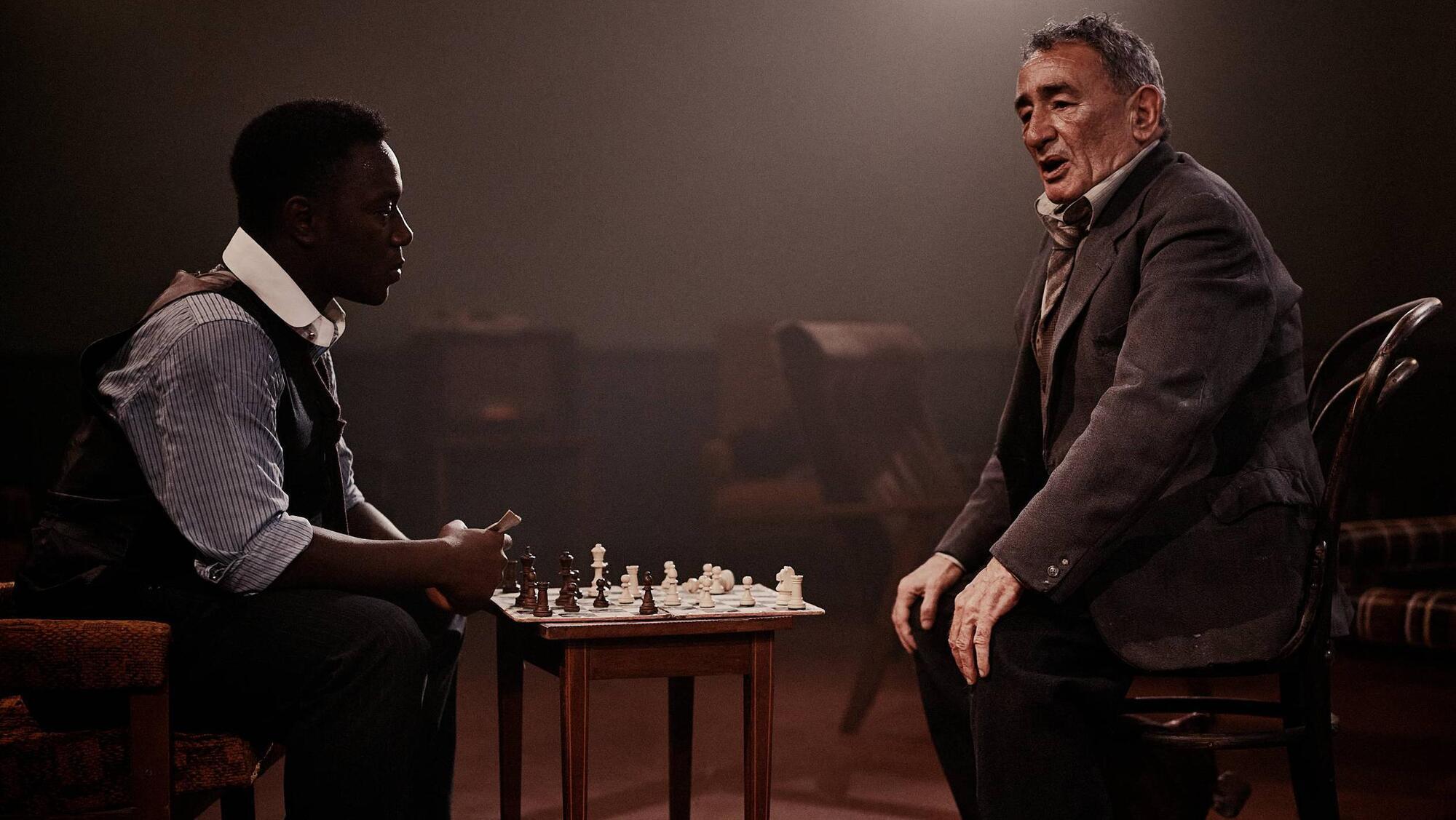
The production is staged at 1 Railway Court, a site that has been transformed by ANU into an immersive environment that evokes the atmosphere of mid-20th-century Dublin. The performance features Sheik Bah in the role of Billy Warren and Michael Glenn Murphy as his companion, with both actors delivering performances that have been praised for their emotional depth and physical commitment. Critics have noted that the production captures the "hazy past" and mythmaking that surrounds Warren's story while grounding it in the specific history of the Monto district and the social conditions that shaped his life.
The Irish Examiner described Cyclone as "a production that earns its place in ANU's remarkable body of work," noting that Lowe's direction creates a world that feels simultaneously historical and immediate. The Irish Times praised the performances and the design, describing the production as "a reminder of why ANU is one of the most important theatre companies working in Ireland today." The production has been sold out for its entire run, with additional performances added to meet demand.
The festival has also featured other notable productions, including Radio Bette at the Gaiety Theatre — a radical adaptation of the 1950 film All About Eve by New York ensemble The Goat Exchange — and Heroes of Tomorrow by Brokentalkers at the Project Arts Centre, which explores the intersection of art, power, and institutional complicity. The festival runs until October 11, with further productions scheduled across venues throughout Dublin.
Why It Matters
Cyclone matters because it demonstrates the continued vitality of Irish theatre at a time when the sector faces significant financial pressures. ANU Productions has built its reputation through a commitment to artistic risk-taking and to the recovery of marginalised histories, and Cyclone is a further example of that commitment. The production's critical success at the Dublin Theatre Festival — one of the most important showcases for Irish theatre internationally — will help to sustain the company's profile and to attract the funding and audiences that allow it to continue its work.
The production also matters because it engages with a dimension of Dublin's history that is often overlooked — the lives of the city's working-class and marginalised communities in the mid-20th century. Billy Warren's story is one of thousands of similar stories that have been lost to history, and ANU's decision to make his life the subject of a major theatrical work is a reminder that history is made up of individual lives, not just of grand events and famous figures.
Local Impact
The Dublin Theatre Festival has a significant economic impact on the city, attracting audiences from across Ireland and from abroad and generating spending in hotels, restaurants, and other businesses. The festival's programme of events — which includes not just performances but also public discussions, workshops, and educational events — contributes to Dublin's reputation as a city with a vibrant cultural life. ANU's Cyclone, as one of the festival's most talked-about productions, has contributed to that reputation and has drawn attention to the Monto district and its history in a way that may generate further interest in the area's cultural heritage.
What's Next
Cyclone continues at 1 Railway Court until the end of the Dublin Theatre Festival on October 11. ANU Productions has indicated that it is in discussions about future touring opportunities for the production, with interest from festivals in the UK and Europe. The Dublin Theatre Festival will continue with further productions across its programme until October 11, with tickets available through the festival's website. The festival's closing weekend is expected to feature a series of special events and discussions reflecting on the themes of the 2026 programme.