Liffey Swim Winner Surprised as Annual Race Becomes Centrepiece of Inaugural Dublin Liffey Festival
The 106th Dublin City Council Liffey Swim took place on 12 September as the centrepiece of the inaugural Dublin City Council Liffey Festival — a two-day free event that transformed the river and its quays into a hub for water sports, live music, street theatre, and maritime heritage, with the festival's flotilla finale drawing thousands of spectators to the banks of the Liffey and marking a new chapter in Dublin's relationship with its defining waterway.
Background
The Liffey Swim is one of the oldest and most distinctive sporting events in Ireland. First held in 1920, the race covers a 2.2-kilometre course through the heart of Dublin, starting at the Rory O'Moore Bridge and finishing at Custom House Quay. For over a century, it has been a fixture of the Dublin sporting calendar — a race that is simultaneously a serious competitive event and a beloved piece of the city's cultural fabric. The sight of swimmers making their way through the Liffey, past the quays and bridges that define Dublin's urban landscape, is one that has captured the imagination of Dubliners and visitors alike for generations. The decision by Dublin City Council to build a festival around the Liffey Swim reflects a broader ambition to reconnect Dubliners with the river that runs through the heart of their city. The Liffey has not always been celebrated — for much of the twentieth century, it was associated more with pollution and neglect than with civic pride — but significant investment in water quality and riverside infrastructure over the past two decades has transformed the river's status. The Liffey Festival is an expression of that transformation: a celebration of the river as a living, active part of Dublin's cultural and sporting life. The 2026 festival, held on 12 and 13 September, was the first edition of what Dublin City Council intends to be an annual event. It was designed to be largely free, with activities running from noon to 6pm on both days along Sir John Rogerson's Quay, Custom House Quay, and George's Dock.
Key Developments
The 106th Liffey Swim attracted approximately 300 competitive swimmers, with the female race beginning at noon and the open/male race at 1:30pm. The event enforced a skins only policy, prohibiting tech suits and race suits, and required participants to hold a competitive Swim Ireland club membership and to have completed four qualifying open-water events. The winner of the female race described herself as surprised by the scale of the festival that had grown up around the swim, noting that the event felt different in character from previous years — more celebratory, more communal, more connected to the city around it. The festival itself featured a wide range of activities beyond the swim. The Live at the Liffey stage hosted historical talks and storytelling sessions about the river's history and its role in Dublin's development. Public visits were arranged to vessels including the Pelican of London and the RCC Cosaint. Street theatre, live music, and family-friendly entertainment filled the quays throughout both days. The festival concluded on Sunday with a Liffey Festival Flotilla — a procession of local boats, rowing clubs, and community vessels travelling from Custom House Quay towards Dublin Port, accompanied by an orchestral performance from the Glasshouse Ensemble. The flotilla drew large crowds to the quays and provided a spectacular finale to the inaugural festival.
Why It Matters
The Liffey Festival represents a significant moment in Dublin's ongoing effort to reclaim its relationship with the river. For much of the twentieth century, the Liffey was a barrier rather than a connector — a body of water that divided the north and south of the city and that was associated with pollution and neglect rather than civic pride. The investment in water quality, riverside walkways, and cultural programming that has taken place over the past two decades has begun to change that relationship, and the Liffey Festival is the most ambitious expression yet of the city's ambition to make the river a genuine asset for all Dubliners. The decision to make the festival largely free is also significant. By making the festival accessible to all, Dublin City Council has ensured that the celebration of the river is not confined to those who can afford to pay for it, but is genuinely open to the full diversity of the city's population.
Local Impact
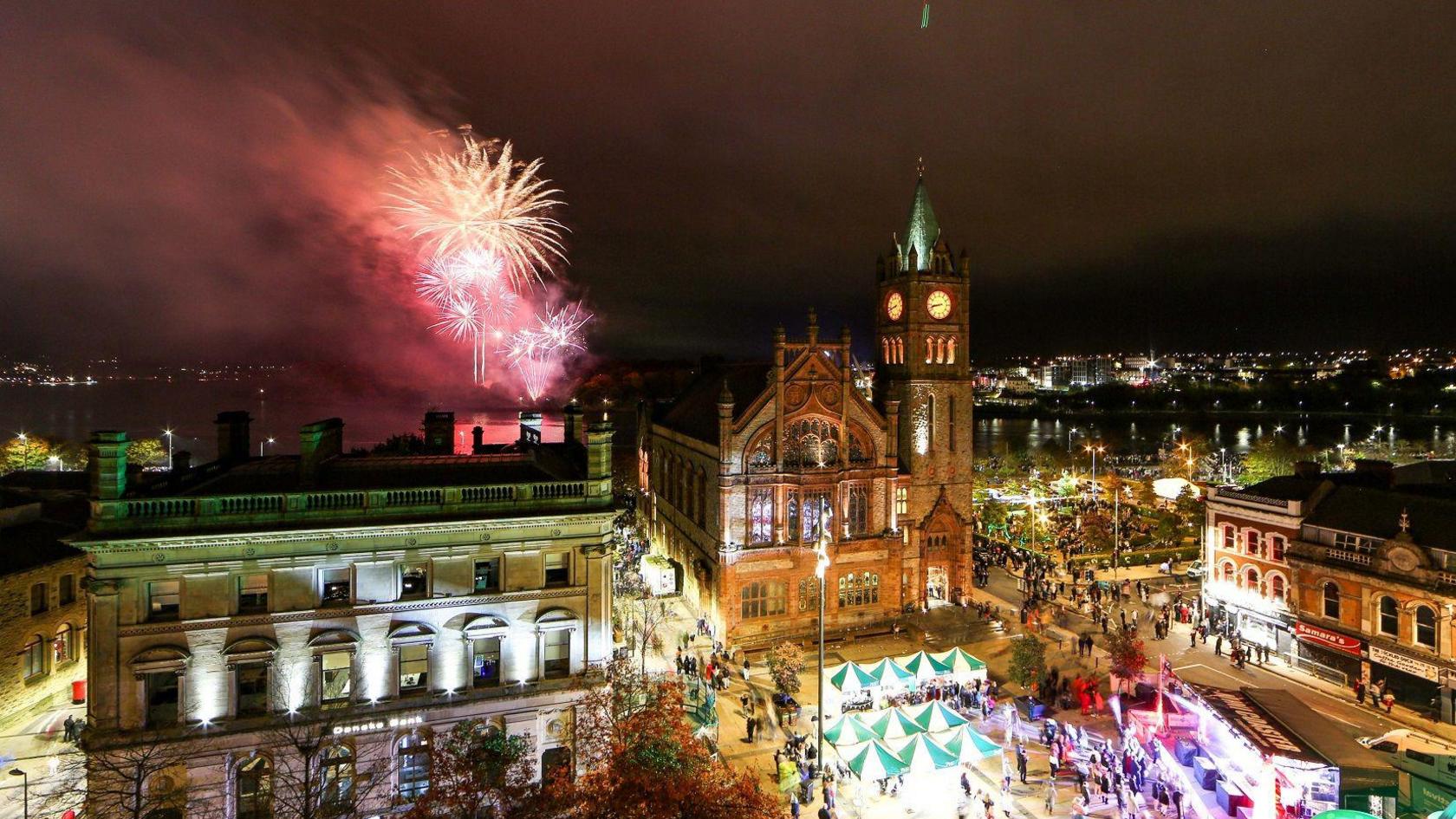
Along the quays, from the Rory O'Moore Bridge to Custom House Quay, the festival transformed familiar urban spaces into a vibrant public gathering. Residents of the Docklands, the north inner city, and the south inner city all participated, and the event drew visitors from across the Greater Dublin Area. Local businesses along the quays reported significantly increased footfall during the festival weekend, and Dublin City Council has confirmed that the event will return in 2027, with plans to expand its programme and its geographic reach along the river.
What's Next
Dublin City Council will publish a review of the inaugural Liffey Festival in the coming weeks, including attendance figures, economic impact data, and feedback from participants and spectators. Planning for the 2027 festival will begin in the new year, with the council expected to expand the programme and potentially extend the festival to three days. The Liffey Swim will continue as the centrepiece of the festival, with the 107th edition scheduled for September 2027.