LDA Plans 13,000 Homes by 2030 as State Housing Agency Expands Beyond Cities
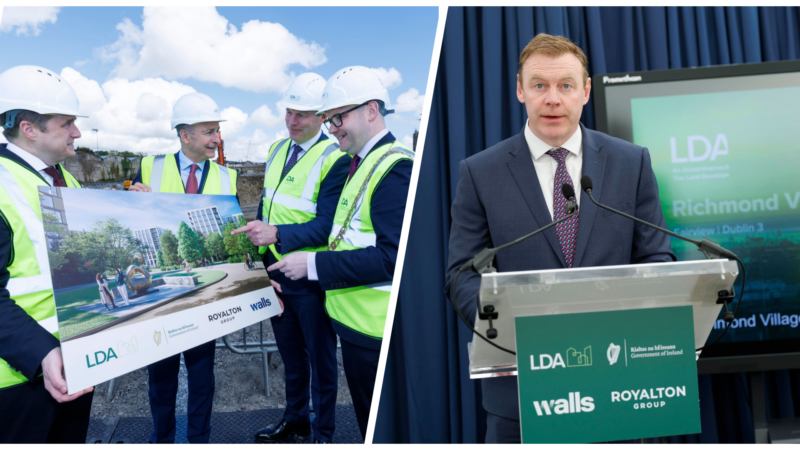
The Land Development Agency has confirmed it is on schedule to deliver approximately 13,272 homes by 2030, with 6,449 units already under construction and a total development pipeline of 30,000 homes, as the state housing body moves to expand its operations beyond Dublin and Cork into regional towns across Ireland. Chief executive John Coleman told the Irish Times on Wednesday that the agency is actively identifying sites outside major cities capable of delivering an average of 200 homes, and is prepared to take initial financial risks on regional developments to establish a foothold in areas that have historically been underserved by affordable housing provision.
Background
The Land Development Agency was established in 2018 with a mandate to use state-owned land to deliver affordable and social housing at scale. Its early years were marked by the complexity of assembling sites, navigating planning processes, and establishing the operational capacity to deliver large-scale residential development. The agency's primary model is cost-rental housing, where rents are set at least 25 per cent below prevailing market rates, providing a genuinely affordable option for households who earn too much to qualify for social housing but cannot afford private market rents.
The Irish housing crisis has been one of the defining political and social issues of the past decade, with a chronic shortage of supply driving rents and purchase prices to levels that have placed homeownership and affordable renting beyond the reach of a significant proportion of the population. The LDA was conceived as a structural response to this crisis, using the state's land assets to deliver housing at a scale and speed that the private market has been unable to achieve. Its progress has been slower than originally hoped, but the current pipeline of 30,000 homes represents a significant scaling up of ambition.
New legislation — the Land Development Agency (Amendment) Bill — approved by the government in July 2026 will expand the agency's powers significantly. The bill lowers the population threshold for LDA intervention from 30,000 to 10,000, opening up a much wider range of towns and regional centres to the agency's activities. It also allows for up to 30 per cent private housing in LDA developments in Dublin and Cork, and up to 50 per cent in other areas, providing a mechanism for the agency to recycle proceeds from private sales into further affordable housing projects.
Key Developments
The LDA is currently negotiating with the European Investment Bank and local pillar banks to secure approximately €1 billion in debt facilities, supported by a government-committed capital potential of €8.75 billion. The agency is forecasting a total spend of €1.5 billion on land and development for 2026 alone. Of the 13,272 homes projected for delivery by 2030, 7,892 are to be delivered directly by the agency, while 5,380 are being facilitated through Project Tosaigh, an initiative designed to accelerate housing supply on sites that already hold planning permission but have stalled due to financing constraints.
Coleman confirmed that the agency expects to complete approximately 1,800 homes by the end of 2026, a figure that would represent a significant acceleration on previous years. Recent site acquisitions, including the Jamestown Industrial Estate in Finglas, Dublin, illustrate the agency's strategy of targeting urban regeneration zones where state intervention can unlock development that the private market has been unable to deliver.
Why It Matters
The LDA's expansion into regional towns is significant for several reasons. Ireland's housing crisis has not been confined to Dublin and Cork — towns across the country have experienced acute shortages of affordable housing, driving young people and families out of communities where they grew up and contributing to the hollowing out of rural and regional Ireland. The lowering of the population threshold to 10,000 means that towns like Tullamore, Tralee, Letterkenny, and Carlow could now benefit from LDA intervention, potentially transforming the housing landscape in areas that have been largely bypassed by the agency's activities to date. The willingness to accept initial financial risk on regional sites, as Coleman indicated, suggests a genuine commitment to this expansion rather than a rhetorical gesture.
Local Impact
In Dublin, where the LDA's activities have been most concentrated, the agency's cost-rental developments have provided a lifeline for households caught in the gap between social housing eligibility and private market affordability. Developments in Shanganagh, Clonburris, and Dundrum have delivered hundreds of cost-rental homes, with rents significantly below market rates. The expansion into regional areas will bring similar benefits to communities outside the capital. Bus Éireann and Irish Rail connections to regional towns will be a factor in the LDA's site selection process, as the agency seeks to ensure that its developments are well connected to employment centres and services.
What's Next
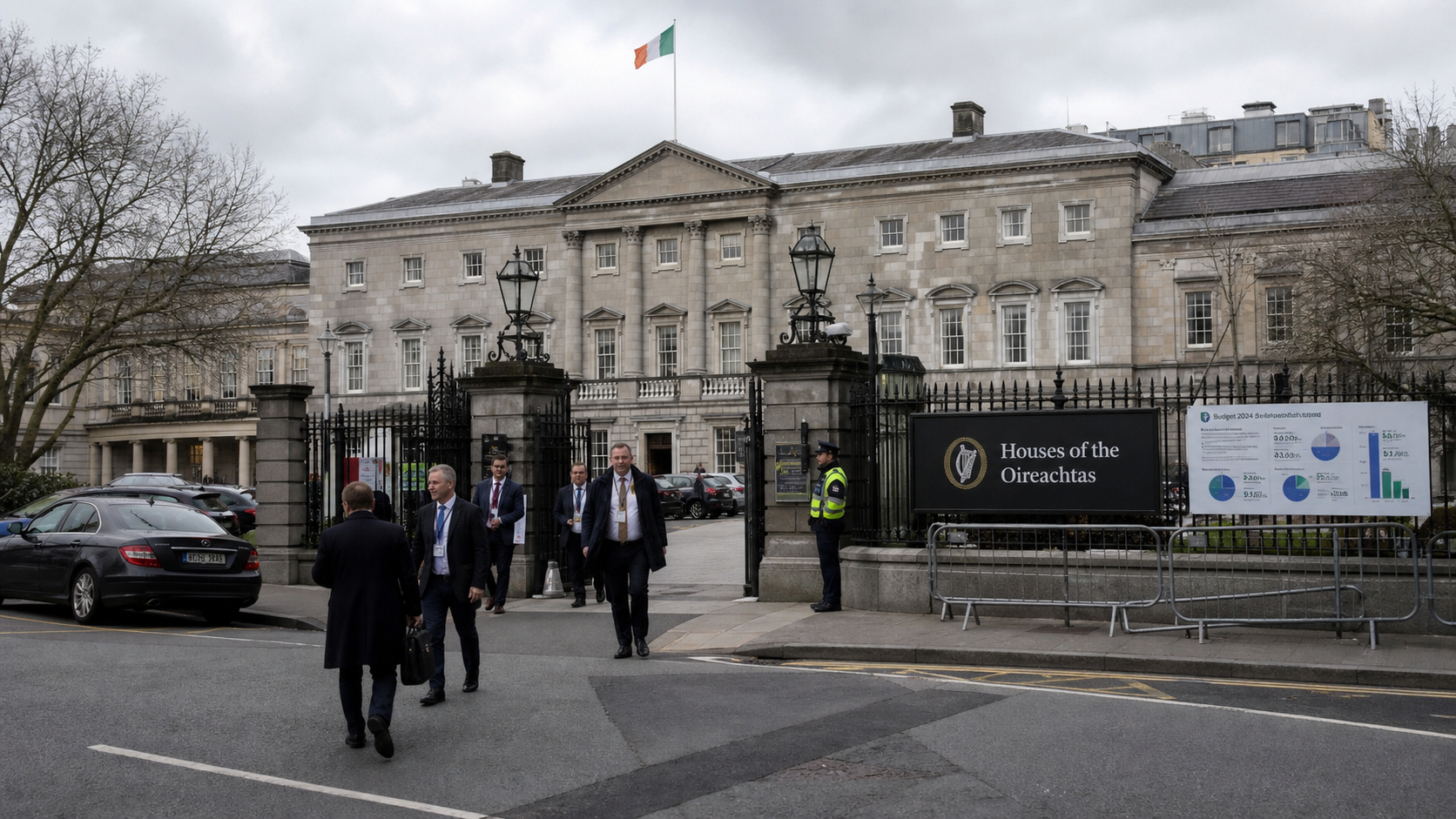
The Land Development Agency (Amendment) Bill is expected to complete its passage through the Oireachtas in the autumn of 2026, with the new powers coming into effect before the end of the year. The agency is expected to announce its first regional site acquisitions under the expanded mandate in the first quarter of 2027. The EIB debt facility negotiations are expected to conclude by the end of 2026, providing the financial foundation for the next phase of the agency's expansion.