Kentucky Family Rejects $26 Million Offer to Protect Farmland Legacy
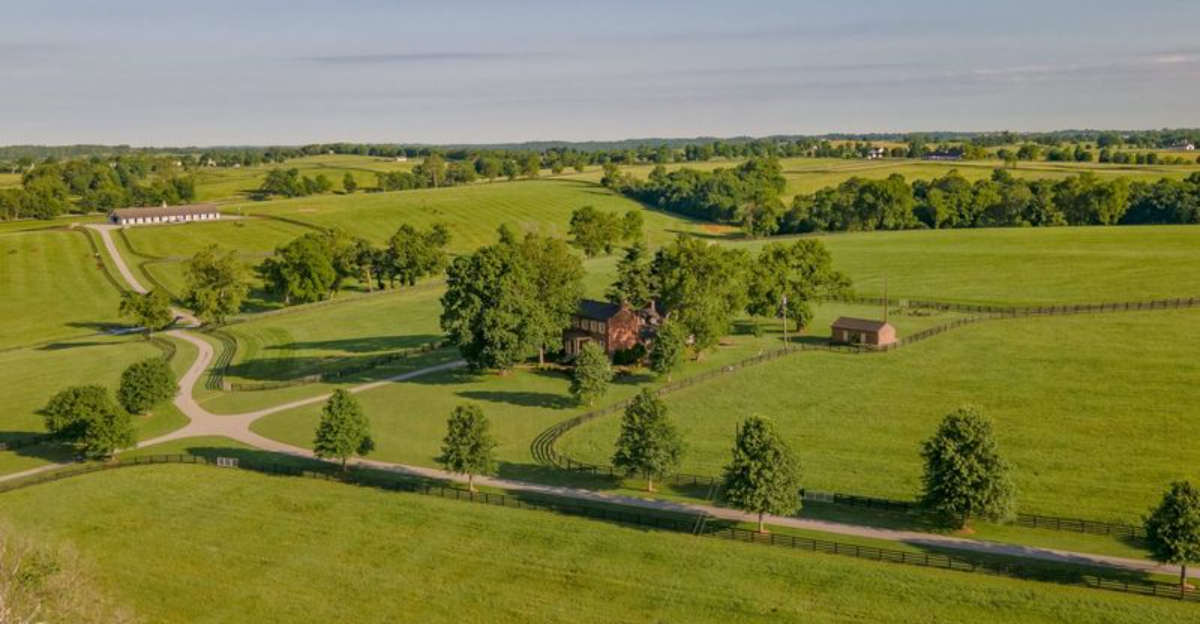
A mother and daughter in Mason County, Kentucky, have turned down a $26 million offer from a major technology company that sought to build a data centre on their 1,200-acre farm, choosing instead to preserve a multi-generational agricultural legacy over what would have been a life-changing financial windfall — a decision that has resonated with farming communities across the United States and beyond.
Background
The Huddleston family have farmed their land in Mason County for generations, working the soil through economic booms and busts, droughts and floods, in a tradition that stretches back further than living memory. The farm, which spans 1,200 acres of productive agricultural land, represents not merely a financial asset but the physical embodiment of a family's identity, values, and connection to the land that has sustained them across multiple generations.
The approach from the unnamed technology company — believed to be an artificial intelligence firm — came as part of a broader push by the tech industry to secure large tracts of rural land for data centre development. Data centres require vast amounts of space, reliable power infrastructure, and increasingly, access to water for cooling systems. Rural Kentucky, with its relatively low land costs and available utilities, has become an attractive target for such developments, with multiple companies filing rezoning applications across the region in recent months.
Ida Huddleston, the 82-year-old matriarch of the family, and her daughter Delsia Bare, made the decision to reject the offer after careful consideration of what acceptance would mean — not just for themselves, but for the land itself, the local community, and the agricultural heritage they have spent their lives protecting. The decision was not made lightly, but it was made with conviction.
Key Developments
The family's concerns extended beyond sentiment. They cited the potential environmental impact of a large-scale data centre, including the significant water consumption required for cooling operations and the permanent loss of productive farmland that contributes to the region's food supply. Their refusal was not simply a rejection of money — it was an affirmation of a set of values that places stewardship of the land above short-term financial gain, and a recognition that some things, once lost, cannot be recovered.
Despite the family's decision, the technology company is reportedly moving forward with plans to build a data centre on adjacent properties, having already filed for rezoning of nearly 2,000 acres in the area. The Huddlestons' stand has therefore not halted the development entirely, but it has preserved their own land and drawn national attention to the broader question of how rural communities should respond to the tech industry's land acquisition drive. Their story has been widely shared on social media and covered by national news outlets, amplifying the debate about land use, food security, and community rights.
Why It Matters
The Huddleston family's decision resonates far beyond Mason County. Across the United States and indeed across the world, rural communities are grappling with the tension between economic development and the preservation of agricultural land, cultural heritage, and environmental integrity. The tech industry's appetite for rural land is growing rapidly, driven by the insatiable demand for computing power that underpins everything from social media to artificial intelligence. The Huddlestons' story is a reminder that not every community will — or should — simply accept the terms offered by well-capitalised corporations, and that the value of land cannot always be reduced to a dollar figure on a cheque.
Local Impact
The story has struck a chord with farming communities across the United Kingdom and Ireland, where similar pressures are being felt as renewable energy developers, logistics companies, and technology firms seek to acquire agricultural land. In Northern Ireland, where farming is deeply embedded in the cultural and economic fabric of rural communities, the Huddleston family's stand has been widely shared and discussed. The parallels with debates about land use, food security, and the rights of farming families to determine the future of their own land are immediately apparent to anyone familiar with the challenges facing rural Ulster, where the pressure to sell or lease farmland for industrial development has been growing steadily.
What's Next
The Huddleston family have indicated they intend to continue farming their land and have no plans to revisit the decision. Their story has attracted the attention of farmland preservation organisations across the United States, who are exploring whether the family might be interested in placing the land under a conservation easement to protect it from future development pressure. The broader question of how rural communities can resist unwanted industrial development while maintaining their economic viability remains one of the defining challenges of the coming decade. The Huddleston family's story has already inspired other landowners in the region to reconsider offers they had been contemplating accepting, suggesting that their stand may have consequences that extend well beyond their own 1,200 acres.
Sources: Fox News | WLKY News