Jeffrey Donaldson Trial: Jury Resumes Deliberations as Northern Ireland Awaits Verdict
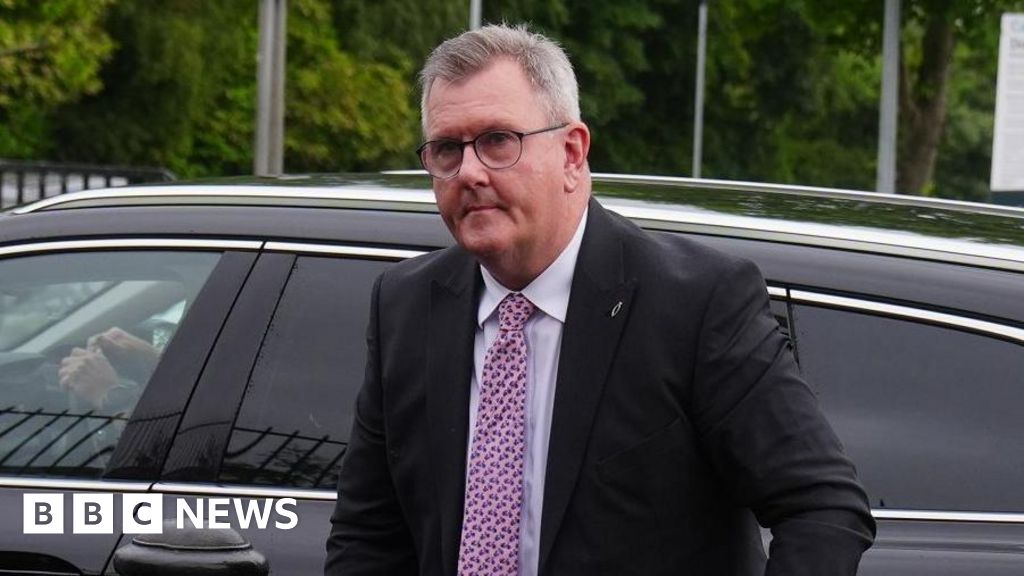
The jury in the high-profile sex abuse trial of former DUP leader Sir Jeffrey Donaldson resumed its deliberations on Monday morning, 22 June, after being sent home for the weekend — with Northern Ireland holding its breath for a verdict that, whatever its outcome, is expected to send significant shockwaves through the region's political and social landscape.
Background
Sir Jeffrey Donaldson was, until his arrest in March 2024, one of the most powerful political figures in Northern Ireland. As leader of the Democratic Unionist Party from 2021, he navigated the party through the turbulent aftermath of Brexit, the Windsor Framework negotiations, and the restoration of the Stormont Executive in February 2024 — a restoration he had personally brokered after a two-year boycott. His arrest came just hours after that restoration, in circumstances that stunned the political establishment and the wider public in equal measure.
Donaldson resigned from the DUP leadership and from his Westminster seat for Lagan Valley immediately upon his arrest. He was charged alongside his wife, Eleanor, with a series of sexual offences. The charges against Sir Jeffrey include rape, and the trial has proceeded through weeks of evidence and legal argument before reaching the jury deliberation stage.
The case has been followed with intense public interest across Northern Ireland and beyond. Donaldson was a figure who commanded considerable respect within unionism — a veteran politician who had been involved in the peace process negotiations of the 1990s and who was widely regarded as a pragmatic and effective operator. The allegations against him have therefore been received with a mixture of shock, disbelief, and, for some, a painful reckoning with the gap between public persona and private conduct.
Key Developments
The jury was sent home on Friday evening after several days of deliberation and returned to the courthouse on Monday morning, 22 June, to continue its consideration of the 18 charges against Sir Jeffrey. The charges span a period of years and include multiple counts of rape alongside other serious sexual offences. His wife Eleanor faces separate charges, and the two cases are being heard together.
The trial has heard evidence from multiple complainants, and the defence has contested the allegations throughout. Legal proceedings have been conducted under the standard rules governing serious sexual offence trials in Northern Ireland, with reporting restrictions in place to protect the identities of complainants. The jury has been directed by the judge on the applicable law and the standard of proof required for conviction on each charge.
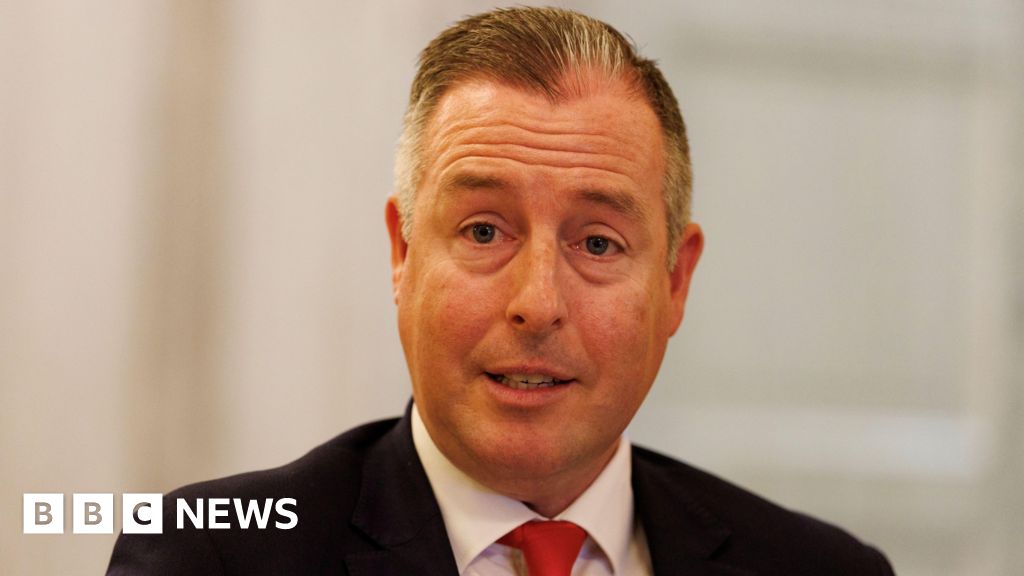
The DUP, which moved swiftly to distance itself from Donaldson following his arrest, has been led in the interim by Gavin Robinson, who has sought to stabilise the party and maintain its position within the Stormont Executive. The trial's outcome will inevitably prompt a period of reflection within unionism about the culture and accountability structures of its leading party.
Why It Matters
The Donaldson trial matters on multiple levels simultaneously. At the most immediate level, it is a serious criminal proceeding involving grave allegations of sexual violence, and the complainants at its centre deserve the full weight of the justice system's attention and protection. Their courage in coming forward and giving evidence in a case of this public profile should not be underestimated.
At a political level, the trial has already reshaped the landscape of unionism. The DUP lost its most experienced leader at a moment of considerable political sensitivity, and the party has had to manage that transition while simultaneously navigating the ongoing challenges of the Windsor Framework, the Stormont budget crisis, and the aftermath of the recent anti-immigrant riots. The verdict will determine whether the party can draw a line under the Donaldson era or whether it faces further scrutiny of its internal culture and oversight mechanisms. More broadly, the case has prompted a wider conversation in Northern Ireland about power, accountability, and the protection of vulnerable people from those in positions of authority.
Local Impact
In Lagan Valley, the constituency Donaldson represented at Westminster for more than two decades, the trial has been followed with particular intensity. The area, which encompasses Lisburn, Dromore, Hillsborough, and surrounding communities, returned Donaldson with large majorities at successive elections, and many of his constituents are grappling with the dissonance between the politician they knew and the allegations they have heard. The DUP's local organisation in the constituency has had to manage that dissonance while preparing for the by-election that will follow the conclusion of the legal proceedings. Across Northern Ireland, community and faith organisations have been providing support to those affected by the case and its revelations.
What's Next
The jury will continue its deliberations until it reaches a verdict on each of the 18 charges. There is no fixed timeline for jury deliberations, and the process could extend over several more days. Once a verdict is returned, sentencing — if there are convictions — will be scheduled for a later date. The political consequences of the verdict will unfold in the weeks and months that follow, with the DUP's internal review and the Lagan Valley by-election among the most immediate downstream events to watch.