Israel and Lebanon Agree 10-Day Ceasefire as Trump Announces Breakthrough
US President Donald Trump announced that Israel and Lebanon have agreed to a 10-day ceasefire beginning Thursday 16 April 2026, raising hopes for broader de-escalation in the Middle East, though questions remain over Hezbollah's formal involvement in the agreement, while separate US-Iran nuclear talks continue with a Pakistani mediator reporting progress.
Background
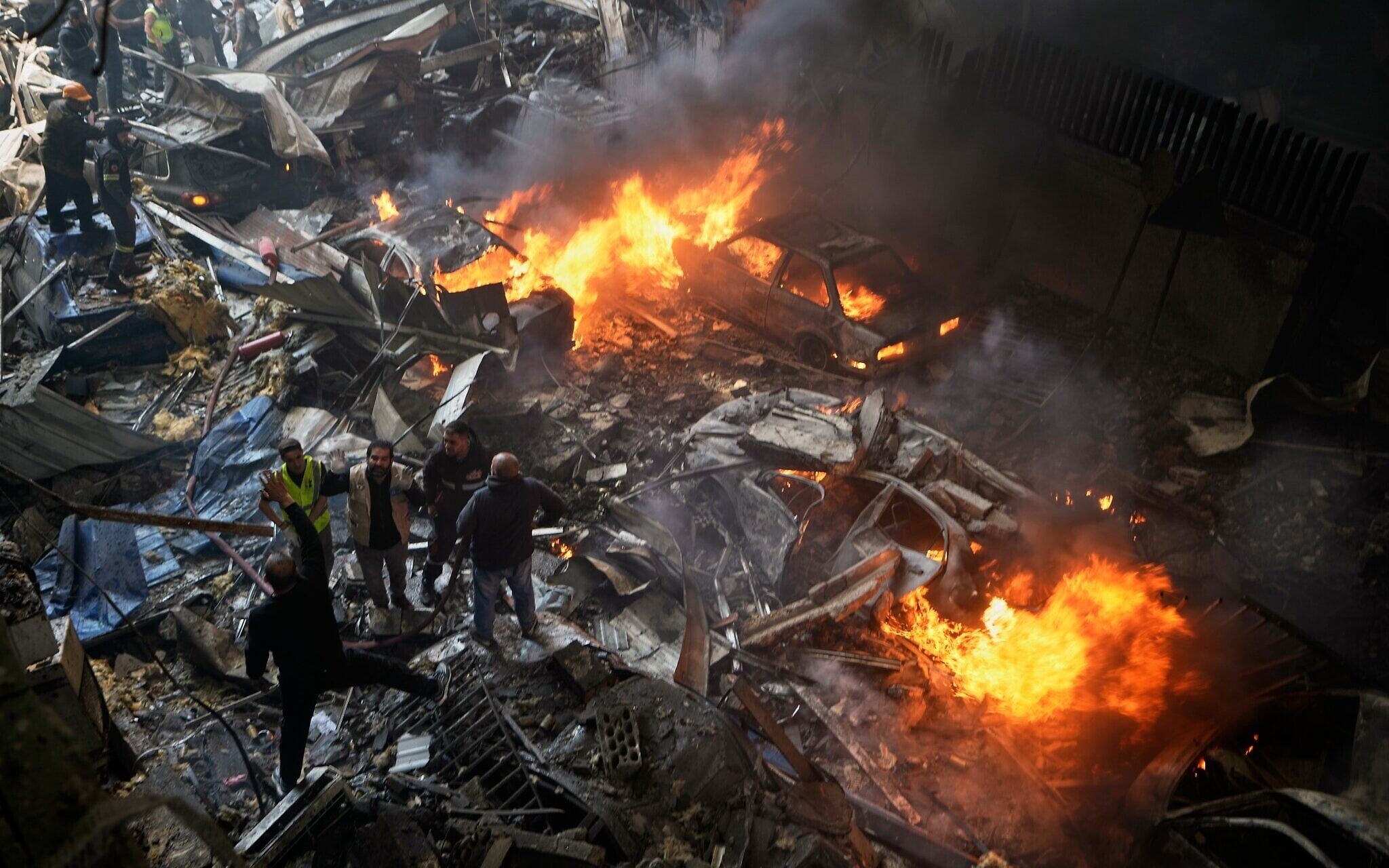
The announcement of the Israel-Lebanon ceasefire came after weeks of intensive diplomatic activity by the Trump administration, which had identified de-escalation on the Lebanon front as a key priority in its broader strategy for managing the Middle East crisis. The conflict between Israel and Hezbollah had intensified sharply in the weeks preceding the ceasefire, with Israeli airstrikes causing significant casualties and displacement in Lebanon and Hezbollah's rocket and drone attacks on northern Israel disrupting life in communities across the region.
President Trump's personal involvement in announcing the ceasefire was characteristic of his approach to foreign policy — preferring high-profile announcements and personal diplomacy over the quieter, process-driven approach favoured by more conventional administrations. The announcement was made via social media and in a press conference at the White House, with Trump describing the agreement as a major breakthrough and expressing optimism that it could lead to a comprehensive peace deal in the region.
The ceasefire was brokered with the involvement of US Secretary of State Marco Rubio, who had been engaged in intensive shuttle diplomacy in the days preceding the announcement. The Lebanese government, led by President Joseph Aoun and Prime Minister Nawaf Salam, was a party to the negotiations, though the extent of Hezbollah's formal involvement remained unclear — a significant ambiguity given that the group controls much of the military situation on the Lebanese side of the border.
Key Developments
The 10-day ceasefire came into effect on 16 April 2026, with both sides initially observing the terms of the agreement. However, the truce was fragile from the outset, with reports of violations emerging within hours of the ceasefire taking effect. An Israeli strike on an ambulance team in southern Lebanon on the first day of the truce highlighted the difficulty of translating a political agreement into a genuine cessation of violence when the underlying tensions remain unresolved.
The ceasefire was subsequently extended for three weeks, providing additional time for negotiations on a more durable arrangement. Separately, US-Iran nuclear talks have been continuing, with a Pakistani mediator reporting progress on some of the key issues. The two tracks of diplomacy — the Lebanon ceasefire and the Iran nuclear negotiations — are closely interrelated, as Iran's support for Hezbollah means that any durable settlement in Lebanon will ultimately require some degree of Iranian acquiescence. According to Al Jazeera, the ceasefire terms included a commitment by the Lebanese government to assert the authority of its official security forces as the sole sovereign power in the south. As Reuters reported, the UN expressed concern about violations of international humanitarian law by both sides during the conflict.
Why It Matters
The Israel-Lebanon ceasefire matters because it represents the first significant diplomatic achievement in a region that has been sliding towards a broader war. The Trump administration's willingness to invest political capital in brokering the deal — and Trump's personal involvement in announcing it — signals that the United States remains engaged in the Middle East despite its stated preference for reducing its overseas commitments. The ceasefire also creates space for the Iran nuclear negotiations to proceed, potentially opening a path to a broader de-escalation of the regional crisis that has been driving up energy prices and threatening global economic stability.
Local Impact
For communities across the United Kingdom and Ireland, the ceasefire offers the prospect of some relief from the energy price pressures that have been building since the Middle East conflict intensified. Oil markets reacted positively to the ceasefire announcement, with prices falling from their recent highs, though analysts cautioned that the gains could be quickly reversed if the truce broke down. British and Irish nationals with family connections to Lebanon will be watching developments closely, as will the many humanitarian organisations that have been responding to the crisis in the country.
What's Next
The immediate priority is consolidating the ceasefire and preventing further violations from derailing the agreement. The framework calls for direct negotiations on border demarcation and a comprehensive peace deal — a process that will require Hezbollah's meaningful participation to have any chance of success. The Iran nuclear talks represent a parallel track of diplomacy that could, if successful, address some of the underlying drivers of the regional conflict. President Trump has expressed optimism about the prospects for a historic peace agreement, though the deep-seated animosities and complex power dynamics of the region mean that any such outcome remains far from certain. The coming weeks will be critical in determining whether the ceasefire can be transformed from a temporary pause into the foundation for a more durable and lasting peace.