Isabelle Huppert and Amanda Coogan Headline Vibrant Cork Midsummer Festival as City Embraces Summer Arts
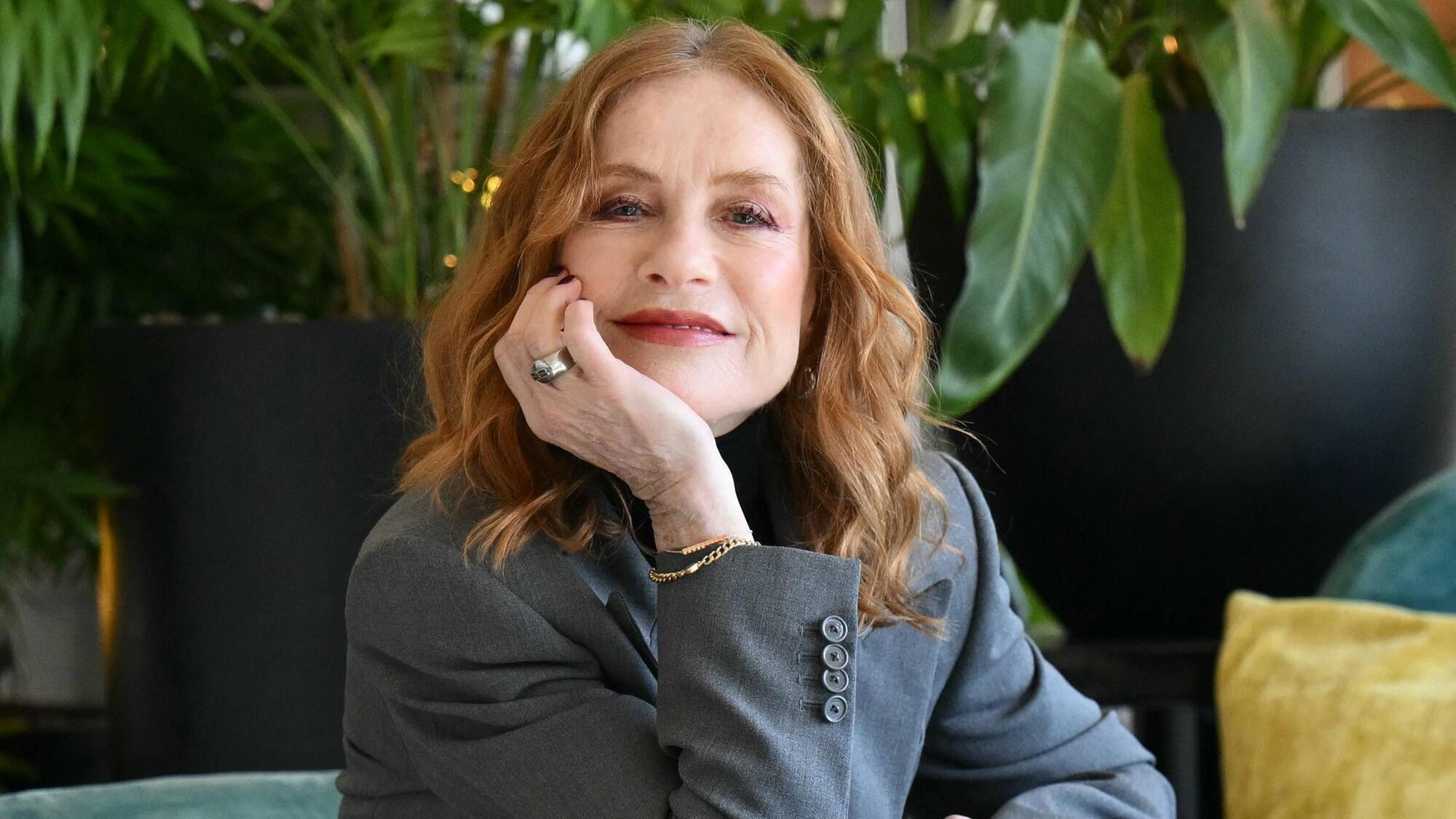
The Cork Midsummer Festival is in full swing this week, with a programme of extraordinary ambition and diversity that has brought some of the world's most celebrated artists to the banks of the Lee for a six-day celebration of theatre, dance, music, and visual arts. Legendary French actress Isabelle Huppert is performing works by Guy de Maupassant in a live reading that has drawn audiences from across Ireland and beyond, while acclaimed Irish performance artist Amanda Coogan is leading a collaborative adaptation of Teresa Deevy's 1939 radio play "Dignity" that has been one of the most talked-about productions of the festival. The event, which runs until Thursday, 26 June, reinforces Cork's status as one of Ireland's most vibrant and ambitious cultural cities.
Background
The Cork Midsummer Festival has been one of the anchors of the Irish arts calendar for more than two decades, providing a platform for new and experimental work that sits alongside more established forms of theatre, music, and visual art. The festival's timing — around the summer solstice — gives it a particular character, with the long evenings and the sense of possibility that comes with midsummer providing a backdrop for work that is often bold, challenging, and unexpected.
Cork's cultural identity has always been distinct from Dublin's — more European in its influences, more willing to take risks, more comfortable with the experimental and the unconventional. The Midsummer Festival embodies that identity, consistently programming work that would not find a home in more conservative cultural contexts and that challenges audiences to engage with art in new and sometimes uncomfortable ways. The festival's reputation for quality and ambition has made it a destination for artists and audiences from across Ireland and internationally, and its programme each year is one of the most eagerly anticipated in the Irish arts calendar.
The presence of Isabelle Huppert at this year's festival is a coup for the organisers and a reflection of the festival's international standing. Huppert, who is widely regarded as one of the greatest actresses of her generation, has a long history of engagement with literary performance, and her reading of works by Guy de Maupassant — the nineteenth-century French master of the short story — is a rare opportunity to see one of the world's great performers in an intimate setting. The fact that she has chosen Cork as the venue for this performance is a testament to the festival's reputation and to the quality of the relationships that its organisers have built with the international arts community.
Key Developments
Amanda Coogan's adaptation of Teresa Deevy's "Dignity" has been one of the most discussed productions of the festival. Deevy, a Cork-born playwright who was deaf from her early twenties, wrote "Dignity" as a radio play in 1939 — a medium that allowed her to reach audiences she could not hear herself. Coogan's adaptation, which uses performance art, movement, and visual imagery to explore the themes of the original work, is a meditation on communication, silence, and the relationship between the body and language that has resonated deeply with festival audiences.
Thisispopbaby, the Dublin-based theatre company known for its bold, queer, and politically engaged work, has also been a significant presence at this year's festival. The company's new production has generated significant anticipation among festival-goers who are familiar with the company's track record of producing work that is both artistically ambitious and culturally relevant.
The festival's programme extends well beyond the headline acts, with dozens of events across Cork city covering everything from site-specific theatre in unexpected locations to late-night music sessions in the city's bars and clubs. The festival has a particular commitment to making its programme accessible to people who might not normally attend arts events, with a range of free and low-cost events alongside the ticketed programme.
Why It Matters
The Cork Midsummer Festival matters because it is one of the clearest expressions of Ireland's cultural vitality and ambition. At a time when the arts sector across Ireland and the UK is under significant financial pressure — with funding cuts, venue closures, and the ongoing challenges of building audiences in a post-pandemic world — the festival's ability to attract world-class artists and to programme work of genuine ambition and quality is a remarkable achievement.
The festival also matters for what it says about Cork's cultural identity and its place in the broader Irish cultural landscape. Cork has always had a complex relationship with Dublin — proud of its distinctiveness, sometimes resentful of the capital's dominance, but also deeply engaged with the national cultural conversation. The Midsummer Festival is one of the ways in which Cork asserts its cultural independence and demonstrates that world-class arts can happen outside the capital.
The presence of Isabelle Huppert is particularly significant in this context. Her decision to perform in Cork rather than Dublin is a statement about the festival's quality and about the city's ability to attract and host artists of the highest calibre. It is also a reminder that Cork's cultural ambitions are genuinely international in scope, and that the city's arts scene is engaged with the world in ways that go far beyond the domestic.
Local Impact
The economic impact of the Cork Midsummer Festival on the city is significant. The festival attracts thousands of visitors from outside Cork, generating revenue for the city's hotels, restaurants, and cultural venues. The concentration of events in the city centre — in venues including the Everyman Theatre, the Firkin Crane, and various outdoor and site-specific locations — creates a sense of cultural energy that benefits the entire city centre economy. Cork City Council has been a consistent supporter of the festival, recognising its value both as a cultural event and as an economic driver.
For Cork's arts community — the actors, directors, musicians, visual artists, and cultural workers who make the city's cultural life possible — the festival is a week of intense activity and connection. The opportunity to work alongside international artists of the calibre of Isabelle Huppert and to present their work to audiences who have come specifically to engage with ambitious arts is a significant professional and personal experience.
What's Next
The Cork Midsummer Festival concludes on Thursday, 26 June, with a closing programme that includes final performances of the headline productions and a series of events designed to celebrate the end of the festival week. The festival's organisers will then begin the process of planning for next year's edition, with the ambition of building on the success of 2026 and continuing to develop the festival's international profile. For Cork's cultural community, the end of the Midsummer Festival marks the beginning of the summer season proper — a time of outdoor events, community festivals, and the kind of cultural activity that makes Cork one of the most vibrant cities in Ireland.